Did You Take the Summer Off?

Rebuilding instrumental technique after a long break
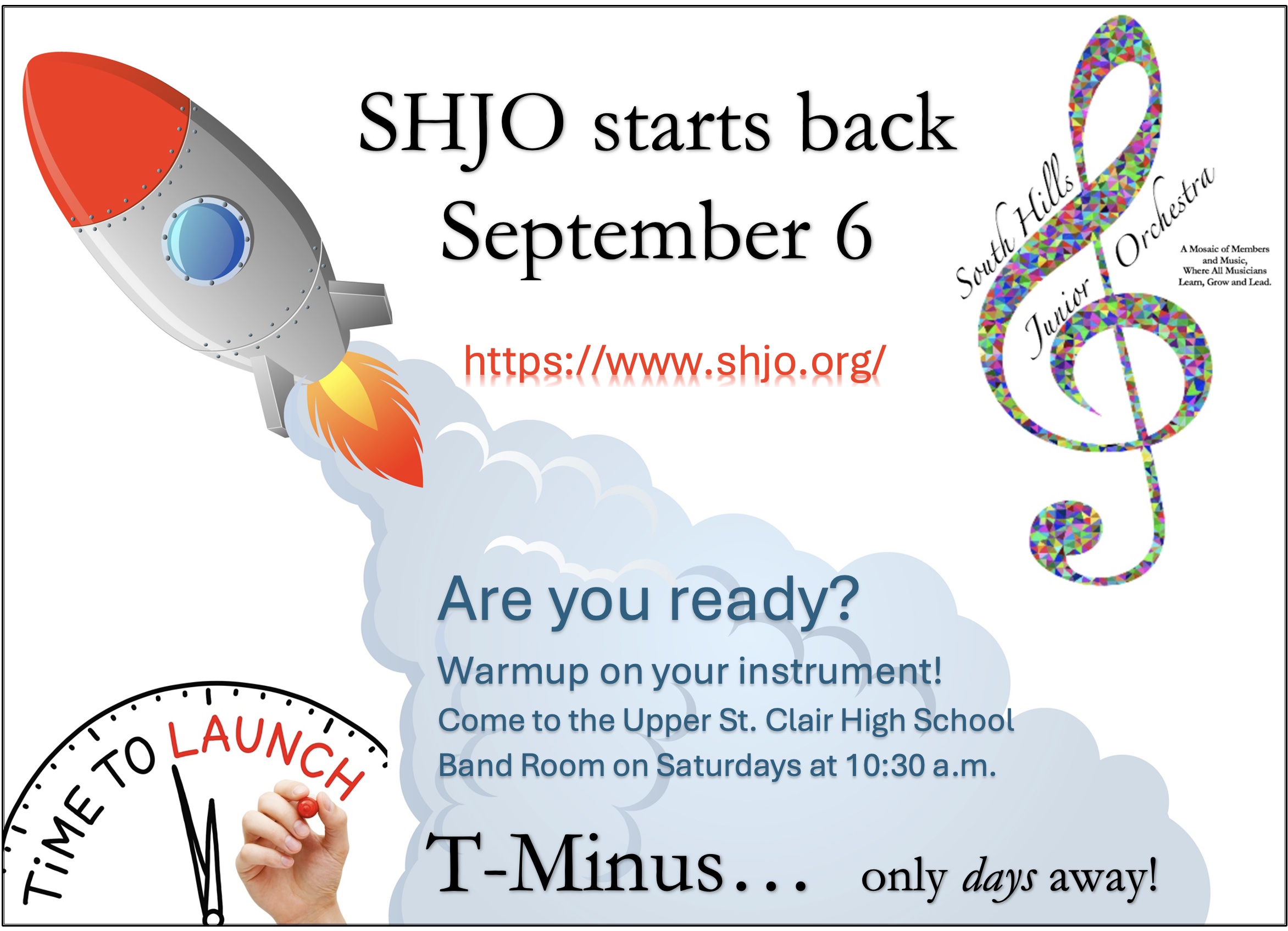
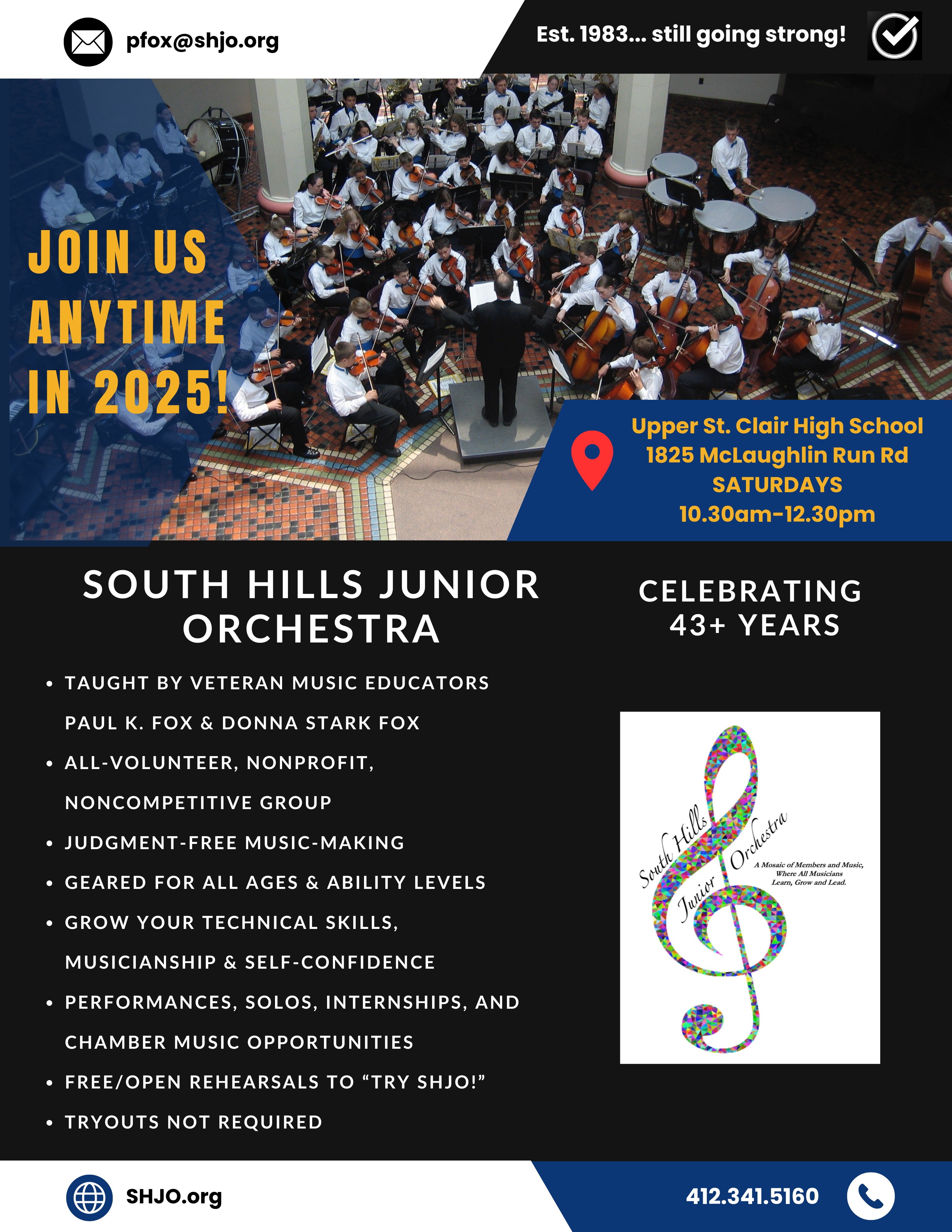
Director’s Note: This is the week to get ready for the return of the South Hills Junior Orchestra after all our vacations! If you live in the Southwestern PA area, we hope you will consider this a personal invitation to “TRY SHJO” and participate in several free and open rehearsals of our community orchestra – a totally “judgment-free” place for creative self-expression of all ages and ability levels. Practices are held in the Upper St. Clair High School Band (1825 McLaughlin Run Road, Pittsburgh, PA 15241) on Saturdays from 10:30 a.m. to 12:30 p.m.

A Google search on my computer fetched the following “AI Overview,” a nearly perfect summary for wind players to recover their “chops” and bring back good tone, intonation, breath support, flexibility of the embouchure, key literacy, and practice habits. For players of all orchestral instrumental sections, I recommend revisiting other articles in the Fox’s Fireside Library to develop a “practice plan” and adopt new musical goals. PKF
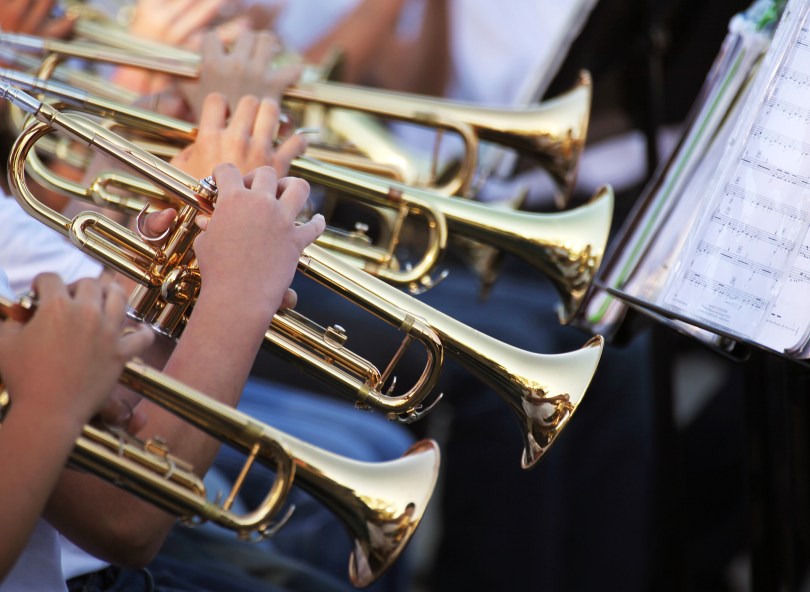
To rebuild your brass and woodwind instrumental technique after a long break, focus on the following gradual, three-stage process: first, restore your tone and response, then regain flexibility and dexterity, and finally, rebuild range and endurance. Prioritize short, consistent practice sessions, and avoid pushing too hard too early to prevent injury and bad habits.
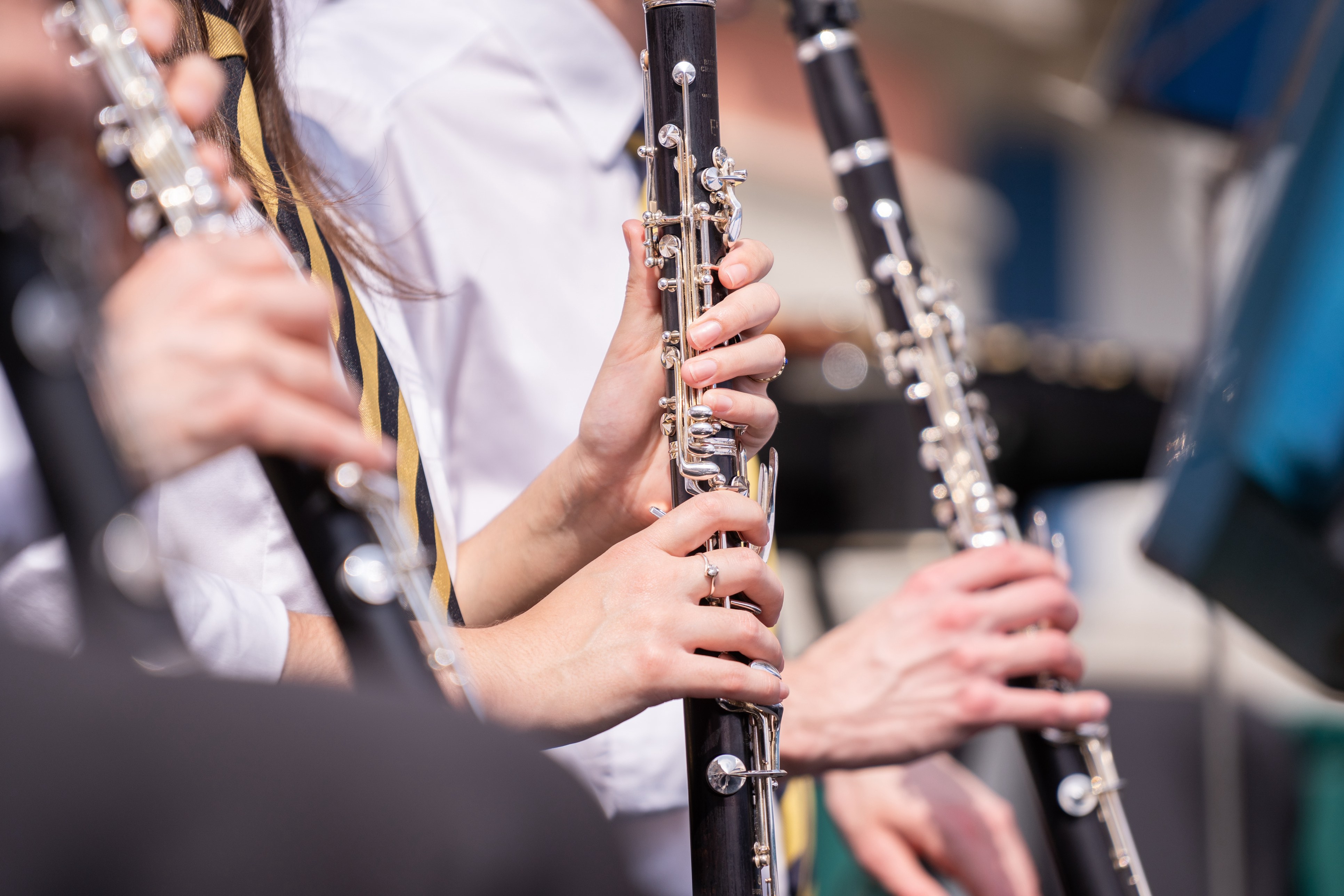
Stage 1: Restore tone and response

Your primary goal is to reacquaint your body with the fundamentals of playing by focusing on soft dynamics and your lowest register.

  • Breathing exercises: Start without your instrument. Practice deep, diaphragmatic breathing to re-engage your respiratory system and expand your lung capacity. You can use simple routines like inhaling for four counts and exhaling for eight, or try the “pinwheel” exercise to visualize steady airflow.
  • Buzzing: Brass players should spend time buzzing with just their mouthpiece to get their lips vibrating efficiently again.
  • Long tones: On your instrument, play sustained, steady notes at a soft volume in your lower-to-middle range. Focus on producing a clear, characteristic tone. Use a tuner to monitor your pitch stability.
  • Short practice sessions: Limit your initial sessions to 5–20 minutes, with plenty of rest in between. This prevents over-straining your facial muscles and embouchure.
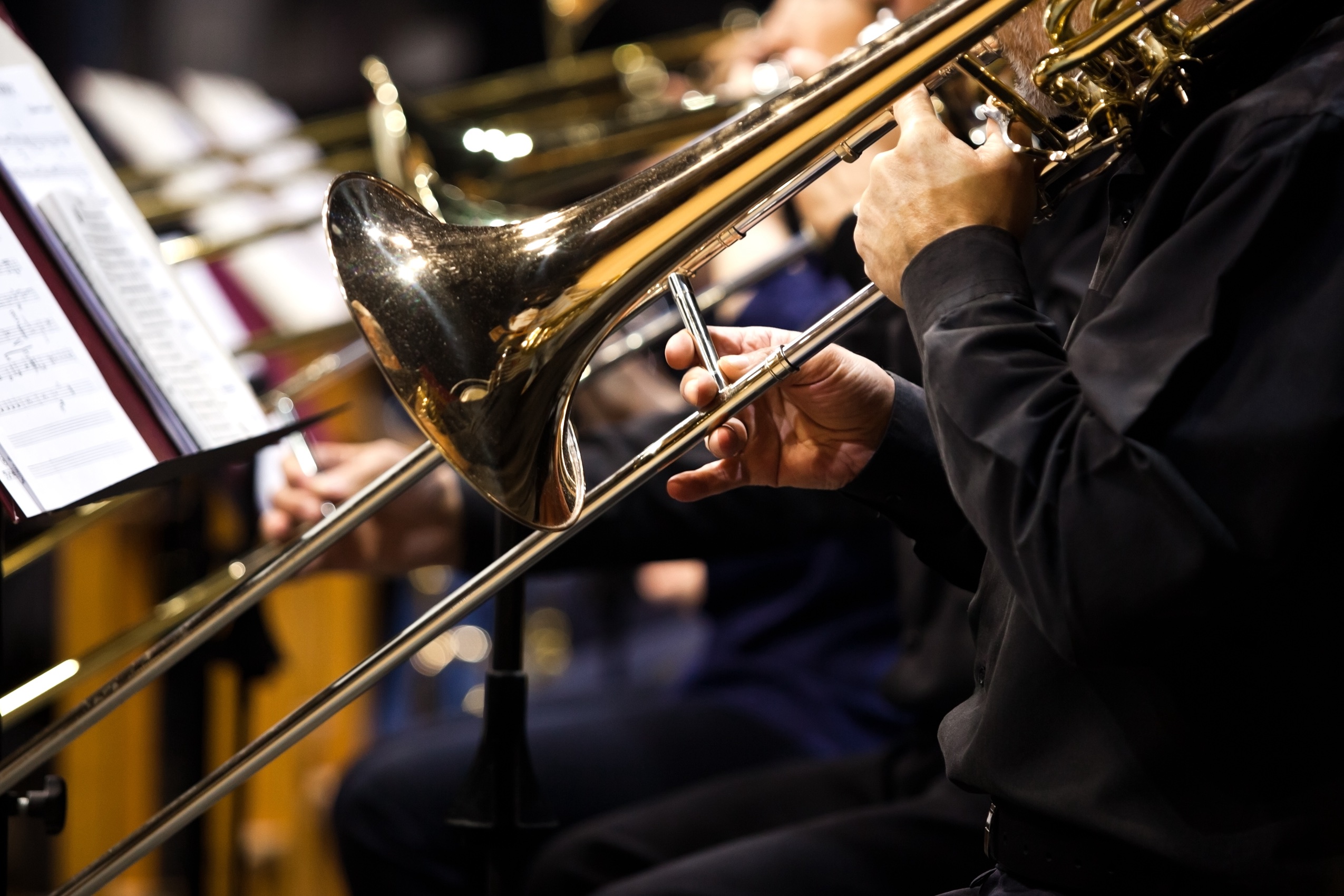
Stage 2: Regain flexibility and dexterity

Once your tone and response feel stable, you can begin to expand your comfortable playing range and improve finger speed.

  • Scales and arpeggios: Practice basic scales and arpeggios at a slow, controlled tempo. This helps rebuild muscle memory for your fingers while keeping the focus on even, beautiful tone.
  • Slurred partials (brass) and lip slurs (woodwind): Practice smoothly transitioning between notes without using your tongue. This strengthens your embouchure and improves air control.
  • Simple music: Play easy, melodic pieces you know well. This helps you focus on phrasing and musicality without the pressure of a difficult score.
  • Increase session length gradually: Slowly add time to your practice sessions, perhaps moving to 15–30 minutes at a time. Continue to take frequent breaks.
Stage 3: Rebuild range and endurance

After re-establishing your fundamentals, you can begin to increase the intensity and duration of your playing to return to your previous level.

  • Expand your range: Gently start working your way into your upper and lower registers, but maintain a soft dynamic level. Only increase volume once you can play a note softly with a good tone.
  • Louder dynamics: Once your full range is accessible, begin practicing with louder dynamics. This is physically demanding, so continue to take frequent rests.
  • Articulation: Incorporate tonguing exercises. Start with basic single tonguing before adding more complex techniques like double and triple tonguing.
  • Listen to your body: Your body will be the ultimate guide. If you feel any pain or unusual fatigue, ease up and incorporate more rest into your routine.
  • Mental preparation and practical tips
  • Listen to music: Remind yourself of what inspires you and listen to your favorite players to reconnect with the joy of playing.
  • Record yourself: Objectively evaluate your progress by listening back to recordings. This helps you identify areas that need work and celebrate your improvements.
  • Revisit old notebooks: Look back at any old lesson journals for useful reminders and insight into your past tendencies.
  • Service your instrument: A leaky pad or sticky valve can make returning to your instrument unnecessarily difficult. Have a technician give your instrument a “clean, oil, and adjust” to ensure it’s in prime playing condition.
  • Be patient: You are not expected to be at your former playing level immediately. Trust that your muscle memory will return with consistent, smart practice.

Click here to download a printer-friendly copy of this article.

 Here are additional resources shared in the SHJO eUPDATE newsletter (August 30, 2025):

PKF

© 2025 Paul K. Fox

Monetizing Our Skills & Passions

Creative Ways for Musicians to Make Money Beyond Gigs

Most of us who chose becoming music educators were motivated by our own experiences in creative self-expression and playing or singing in ensembles, and inspired by our incredibly dedicated school and private music teachers and ensemble directors. The “calling” of entering this profession was due to wanting to share this joy of making music! The best part of all of these musical experiences and training? Most of us retain these skills throughout our careers and even in retirement — many participating in community bands, orchestras, choirs, or jazz combos — some for hire!

Guest blogger Ed Carter reminds us that there are many ways to literally “cash in” our musicianship and supplement our income.

Article by Ed Carter

As a musician, making money can be challenging, especially when starting out. However, there are unique and unconventional ways through which musicians can earn extra money. Here are some ideas worth considering.

Live Streaming

Live streaming has become a popular way to reach audiences, especially because of its convenience and cost-effectiveness. As a musician, you can leverage this platform by hosting online concerts, meet-and-greet sessions, and private performances. To earn money from these events, consider using these platforms.

Selling Merchandise

Merchandise sales are a great way to promote yourself while creating extra income.
Consider offering merch such as hats, stickers, or even signed t-shirts. The key is to make your offerings unique and appealing to your fans. To ensure maximum exposure and sales, consider selling your merchandise at live events and through your website or social media channels.

Starting a YouTube Channel

YouTube has proven to be a powerful platform for musicians to gain exposure, build their fan base, and earn money. You can create a channel hosting content such as behind-the-scenes clips, tutorials, or even live performances. To earn money through YouTube, consider joining the YouTube Partner Program or utilizing sponsored content. Additionally, use other forms of social media platforms to promote your channel and gain more subscribers.

Tutoring

By sharing skills and experience, musicians can earn money through teaching. Consider offering lessons to beginners or those looking to advance their skills. To ensure consistent income, you can offer both in-person and online lessons. Creating a lesson plan, setting a reasonable rate, and marketing your services online will help you attract students.

Networking

Getting involved in your local music scene is essential to connecting with other musicians and growing your fan base. Consider attending open mics, local concerts or festivals, joining a band or musical group, or even volunteering. By building relationships with other musicians, you can collaborate on projects, gain valuable experience, and increase your exposure.

Playing Gigs

Playing for events is a great way to not only earn extra money but also gain exposure to potential fans. Consider contacting event planners, wedding coordinators, and event organizers to offer your services. To succeed in this avenue, be reliable, punctual, and consistently produce quality music. By offering a unique musical experience, you will earn more referrals and increase your client base.

Composing

If you have experience in musical arrangement and composition, there is a high demand for those skills. Consider working with bands, orchestras, and other musical groups to create unique arrangements. To get started, create a portfolio of past arrangements, market your services online, and network with other musicians in your community.

Striking a First Impression

If you are a musician, having an engaging and memorable business card can help you stand out from the crowd and promote yourself. One solution to create professional and visually appealing cards is to use online tools. You can include your contact information, social media handles, and music style description on your card and distribute them at events, live performances, and networking opportunities. This may be a solution to help you make a lasting impression and expand your fanbase.

As a musician, there are various ways to earn extra money while building your career. By leveraging different platforms and services, such as live streaming, YouTube, and
merchandise sales, you can increase your revenue and grow your brand. Remember,
consistent quality and hard work are key to achieving success in the music industry.

Book by Ed Carter

About Ed Carter, Guest Blogger

I’m Ed Carter, and I am a retired financial planner. Over the years, I’ve worked with clients of all ages, backgrounds and incomes. About 10 years into my career, I saw a need for financial planners who specialize in helping individuals and families living with disabilities. Regardless of their nature or how long they’ve affected someone, physical and mental limitations often cause stress and confusion when it comes to financial planning. Many people are unaware of just how many options they have when it comes to financial assistance and planning, so it’s an honor to offer my experience and change people’s lives for the better.

Now that I’m retired, I’m committed to continuing my services, even though I work on a broader scale than when I was working 9 to 5. I now spend my free time writing financial literacy articles for people to share on their blogs, collecting resource links for people to share on their websites, and collaborating with like-minded folks who want to make a difference.

From Ed Carter’s website

© 2023 Paul K. Fox

Cultivating a Precious Gem: Engagement

What do SHJO, Gerardo Parra and the “Baby Shark” theme, and the concepts of collaboration and teamwork have in common?


FoxsFiresides

[Artistic Director’s message spoken at the fall concert of the South Hills Junior Orchestra on November 10, 2019… appropriate to all performers, teachers, and parents.]


Have you had a reason to ask yourself recently, “What am I thankful for?”

Hopefully you can reflect on many things… Your family, friends, health, success, and happiness may instantly come to mind.

How about the privilege of membership in a “musical team” – valuable enrichment provided by both your school program (in which all of our pre-college students should participate) and community groups, like the South Hills Junior Orchestra (SHJO).

One does not have to look far to confirm the benefits of music education and fulfillment of personal creative self-expression. Numerous articles and statistics point to the rewards of “making music” and regular collaboration in a performing ensemble:

I even tried “wrapping my arms” around a definition of this “calling” (one that I have spent my entire life sharing) in a blog-post which features a community TV interview of me by SHJO musician Sam D’Addieco: https://paulfox.blog/2019/06/16/the-importance-of-music-education/.

I do feel thankful! I am grateful to have been granted this opportunity of conducting SHJO and interacting, teaching, and learning alongside our gifted and enthusiastic instrumentalists! These experiences and memories are “priceless” and “fragile,” just like a rare jewel or crystal. I complain for more members (we’re small and turnout has not always been good), but I am also reminded of a comment from my own inspirational school orchestra and string teacher, Mr. Eugene Reichenfeld, who was often heard to say: “Our orchestra may be small, but it is precious – just like a diamond!”

I say, we must cultivate the future of this special musical experience!

Don’t take it for granted! This unique “mosaic of members and music, where all musicians learn, grow, and lead” will only continue if YOU commit consistent time, focus, attendance, and practice. Success relies on your full engagement to SHJO. We need the players, booster officers, parents, and other adult volunteers to join forces!

CBS Good MorningThe other day, I watched on CBS This Morning an interview of World Series Champion Washington National’s star outfielder Gerardo Parra (https://www.cbsnews.com/video/gerardo-parra-on-how-baby-shark-became-the-nationals-anthem/) who is credited for helping to turn things around for the team. Although he may be remembered more for giving the Nationals a new anthem, “Baby Shark,” (chosen by his baby daughter), Parra discussed why he was concerned that the other players on the team did not seem “engaged” and stay afterwards in the clubhouse (some paraphrased below):
  • Parra: “Wow, what a team we have,” and referring to the regular season, “But, even after we won, no one was there to celebrate in the clubhouse.”
  • Anthony Mason: “A lot of people credited you for turning around the team culture.”
  • Parra: “It’s more important for my team that we start in the clubhouse… we dance in the clubhouse.”
  • Gayle King: “But you started that hurrah. You said everybody used to leave and then you said no, everybody, let’s stay! One person came, then one person came, and another person came…”
  • Parra: “Everybody like family. We’re one team, not 25 men.”

When he joined the team in May, Washington was a team with a losing record of 33-38 and 8½ games out of first place in the National League East. Parra himself was mired in a 0-for-22 slump. That’s when he chose “Baby Shark” and got his team motivated! In their last 100 games, the Nationals won 75. Sure, they have amazingly gifted and hardworking players, but what was the cornerstone of their victory? Their teamwork, “power of collaboration,” empathy for each other, and unified sense of purpose! This is just what the doctor ordered for the 37th season of SHJO, and all similar youth or community groups. We need to develop more teamwork, collaboration, and engagement, too!

Thanks, kudos, and bravos go to all musical caregivers and participants for caring, giving, and sharing, and especially uniting together as a team. What really matters to me the most? As I told Sam in the interview, I truly cherish those “ah-ha” moments of realization we see in our musicians’ eyes when they “get it” and reach a new pinnacle of success or mastery of their artistry! I also love observing many peers-helping-peers, multi-generational teamwork, partnerships of musical leaders and followers in the ensemble, and numerous “random acts of kindness” every Saturday morning.

“My” SHJO remains the single most motivating and meaningful event of my week!

Let’s all celebrate a Happy Thanksgiving!

PKF


hi-res logo 2018The mission of South Hills Junior Orchestra, which rehearses and performs at the Upper St. Clair High School in Pittsburgh, PA, is to support and nurture local school band and orchestra programs, to develop knowledge, understanding, performance skills, and an appreciation of music, to increase an individual member’s self-esteem and self-motivation, and to continue to advance a life-long study of music. Members of the Orchestra learn, grow, and achieve positions of leadership to serve their fellow players.

(For more information about SHJO, please visit www.shjo.org.)

This and all Fox’s Fireside blog-posts are free and available to share with other music students, parents, directors, and supporters of the arts.

Click here for a printable copy of Cultivating a Precious Gem – Engagement.

Other “Fox Firesides” are available at https://paulfox.blog/foxs-firesides/.


© 2019 Paul K. Fox

Photo credit from Pixabay.com: “Pumpkin” by Lolame