Random Acts and Other Resolutions

One Music Teacher Retiree’s Reflections on New Year Resolutions

Cheers to a new year and another chance for us to get it right.  – Oprah Winfrey

pmea
Segment from the December 22, 2015 Pennsylvania Music Educators Association (PMEA) Retired Member Network eNEWS. For additional articles and blogs on the transition to retirement, please click on “retirement resources” at the right, or visit the PMEA website: http://www.pmea.net/retired-members/.


Ushering in the New Year is all about pursuing new directions or a sort of “rebirth,” making promises for self-improvements, and analyzing and revising our personal goals/visions… perhaps a little like the personal renaissance of retirement.

According to Wikipedia, the tradition of making resolutions is rooted in history, with many examples:

  • The Babylonians making promises to their gods at the start of each year “that they would return borrowed objects and pay their debts.”

  • rejoiceThe Romans giving tribute to the god Janus, for whom the month of January is named.
  • The knights in the Medieval era taking the “peacock vow” at the end of Christmas season to “re-affirm their commitment to chivalry.”
  • At “watch night services,” many Christians preparing for the year by praying and making New Year’s resolutions.
  • During Judaism’s New Year, Rosh Hashanah through the High Holidays and culminating in Yom Kippur, reflecting upon “one’s wrongdoings over the year” and seeking and offering forgiveness.

moving-forwards-5-1141707

While success and happiness are in the eye of the beholder, many resolutions do not stand the light of several days… you’d be lucky to “stick with it” for more than several weeks! However, the process of revival – re-examining what is important in our lives, and placing effort in establishing new habits and plans – is just plain “good for you.”

Here are happy-new-year-1184943my top-ten recommendations to help you “grow” and enjoy a glorious 2016!

  1. Read at least one new book each month, in spite of our society’s fascination with media, the web, movies, TV, etc. Multi-millionaires are known to reach out for new ideas, innovations, and leading-edge thoughts from recent publication releases.
  2. Take time for regular physical exercise and to “smell the roses.” For me, the three or four daily sessions of walking my dogs are extremely helpful for gathering my thoughts, calming my nerves, re-charging my batteries, and even brainstorming via speaking to Siri on my Apple iPhone. For example, using the Evernote, a note-taking/sharing app on my cell phone, was the tool for creating this article’s outline. I can even do it hands-free while I am driving (very carefully!), and with my “all thumbs” keyboarding skills, it sure beats typing everything out by hand!
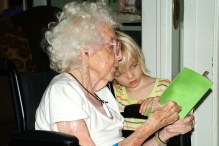
  3. If you are fortunate enough to have reading-with-grandmother-in-wheelchair-1432646grandchildren (your own or adopted ones), enjoy them! Not only is your generous super-competent babysitting services providing ever-so-essential care-taking of your love-ones, “playing with the kids” is wonderful for your own mood and mental health. “Keep around young people and you will stay forever young!” However, invest your time wisely. You deserve a life of your own and unstructured time off. It is easy to be taken advantage of, so don’t let this childcare schedule dominate everything you do in your retirement.
  4. If travel is your thing, get out there and “book it!” One of the great advantages of retirement is the capability to go on trips while the kids are still in school. One of my least favorite memories of a family vacation was going to Disney World over Christmas break… Overcrowding closed the Epcot parking lot by Noon on December 27, and my wife had to endure 45-minute lines to use the ladies’ room.
  5. If you really like being “out on the road” a lot, consider offering your services to local travel agents as a music trip manager. Many PMEA retirees have already assumed new part or (nearly) full-time jobs organizing music groups’ out-of-town adjudications, festivals, workshops, and tours. Really, who is better qualified?
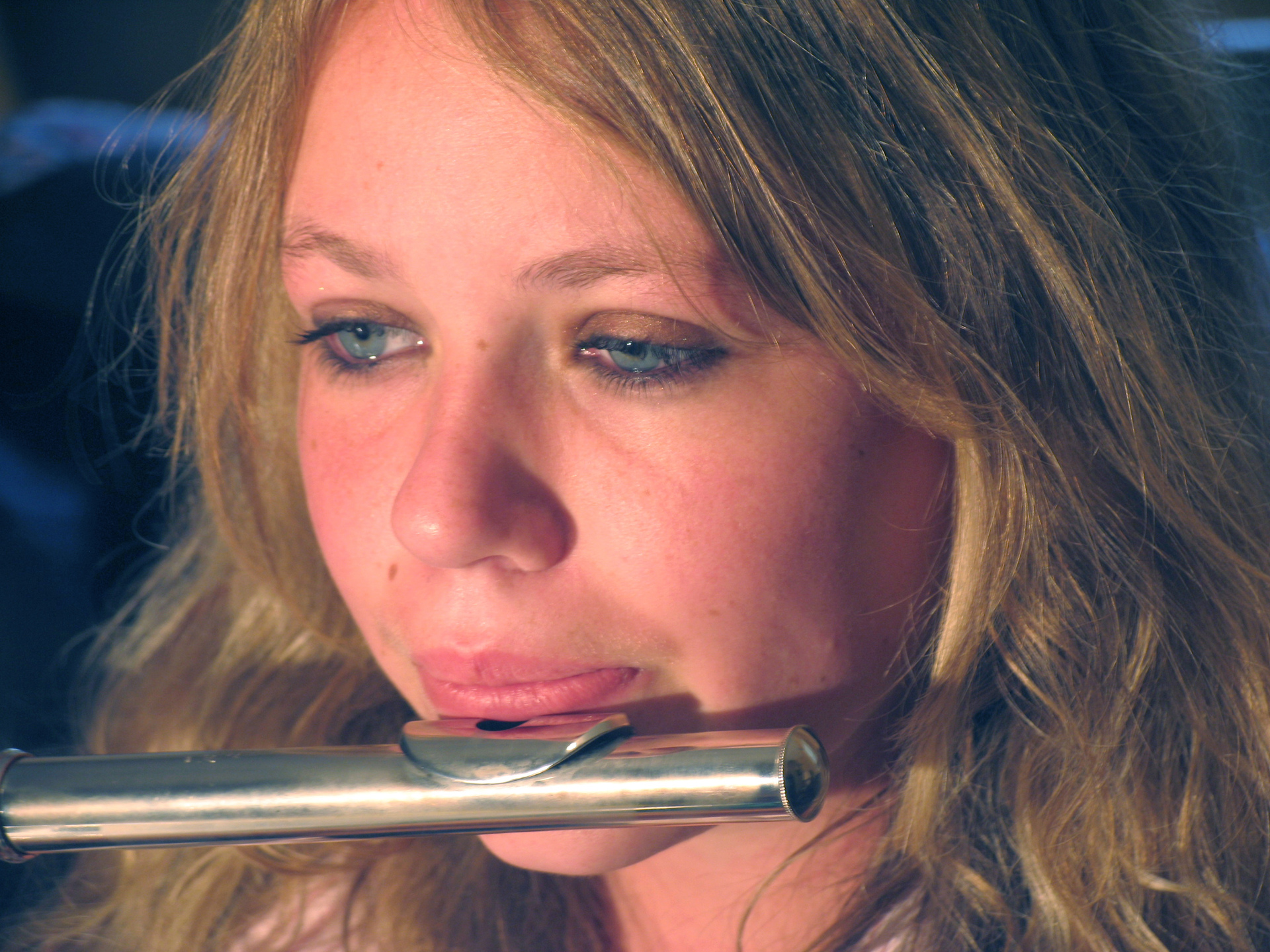
  6. flute-player-1506263-1920x1440The single most satisfying pastime for all of us is to be or do something creative. With few exceptions, every day you need to find venue(s) to express yourself. This could mean pulling out your instrument or singing, with a renewed focus on exploring your musicianship, interpretation, composition, or improvisational skills. Creating new musical works, like adding to your own “Mr. Holland’s Opus,” can “make your day!” Other projects in creativity could involve conducting, acting, dancing, creating two or three-dimensional artworks, sewing, gardening, and my personal favorite, writing. Whether it is fiction or nonfiction, articles, books, poems, letters-to-editors – the activity is very personal – and possibly profitable? Try to assemble in words your long-practiced insights and experiences acquired working as a teacher. I am particularly inspired by the prospects of creating and posting blogs on just about any subject that motivates or moves me. Check out the opportunities that WordPress.com can give you. (I am not too shy to refer you to my own website, showing off my articles and “pet peeves” on the subjects of creativity in education, marketing professionalism, and retirement resources: www.paulkusc.wordpress.com).
  7. At the very least, complete one new “random act of kindness” every week. Do the math! This would add 52 “good deeds” a year, and if every PMEA retired member adopted this resolution, that would total more than 22K caring moments in 2016.

  8. caring-teacher-1622554Every week for the rest of your life, spend some time “giving back!” Volunteer or share your hobbies, interests, or expertise helping out wherever it is most needed… in local churches, hospitals, charitable organizations, schools, pet sanctuaries, or senior care centers. I never understood why some enterprising entrepreneur does not buy a large piece of land to build a combined animal shelter, childcare center, and assisted-living facility, connected with easy access to each other… mutually beneficial opportunities for needy children, lonely seniors, and rescued pets for interaction with each other! That’s a “win-win-win!”
  9. Now that you have significantly more time on your hands than you ever had before, advocate for music education. It is not really up to somebody else to eloquently voice a thoughtful opinion about the essential need for music in the schools. Politics aside, writing to your congressman or senator is important, and who knows, might make a difference in proposing and passing upcoming legislation.
  10. r3_logoStay involved in PMEA. Help new or recently transferred music teachers by joining the PMEA Retiree Resource Registry, the free (but priceless!) adviser/ consultant service (go to http://www.pmea.net/retired-members/). This is one way to get more involved at the state or district level as a judge of adjudications, guest conductor or accompanist for festivals, guest presenter or member on a panel discussion for conferences, workshops, or webinars, etc.

moving-forwards-3-1141720

These are New Year’s resolutions I can live with, and hopefully fulfill. Time will tell! I recall the words of the classic Star Wars character Yoda: “Try not. Do, or do not. There is no try.”


Approach the New Year with resolve to find the opportunities hidden in each new day.- Michael Josephson, whatwillmatter.com

year-2009-1-1306478

PKF

© 2015 Paul K. Fox

Tips on Personal Branding

OLYMPUS DIGITAL CAMERA

Prospective Music Teachers: Why Personal Branding Might Help You Land a Job!

“A brand is anything—a symbol, design, name, sound, reputation, emotion, employees, tone, and much more—that separates one thing from another.”

– Neil Patel and Aaron Agius

optimism-1241418Quick – Who are you? Define yourself in three words!

This is one of the most common job interview questions. In my past blogs on the subject of getting a music teaching job (see https://paulkfoxusc.wordpress.com/category/marketing-professionalism/), we explored preparing for interviews, planning portfolios, developing stories/personal anecdotes of your strengths, defining criteria for the ideal music teacher candidate, and understanding the term “professionalism” as it applies to music education. Now to wrap-up your “marketing plan,” it is time to dive into “personal branding” as it is presented by quite a few experts in the field.

business-card-1238267What is Personal Branding? Google defines it as “essentially the ongoing process of establishing a prescribed image or impression in the mind of others about an individual, group or organization.”

Branding is critical to help you “stand above the rest,” showing you have what it takes and would be a major asset to a prospective employer, and marketing your own unique qualities that would make you “a good fit” for the specific job opening. But you don’t have to take my word on this… a quick search on the Internet yields numerous articles on branding and marketing yourself.

The question is no longer IF you have a personal brand, but whether you choose to guide and cultivate the brand or to let it be defined (or assumed) by others on your behalf.

According to Shama Hyder, bestselling author of The Zen of Social Media Marketing, “The term branding has long been relegated to companies, but today almost every individual has a personal brand. Not many of us have consciously cultivated these brands, but they exist nonetheless. A digital footprint in the sands of time and space crowd sourced by friends, colleagues, and bosses. According to an AVG study, 92 percent of children under the age of two already have a digital footprint.”

At http://www.forbes.com/sites/shamahyder/2014/08/18/7-things-you-can-do-to-build-an-awesome-personal-brand/, Hyder posted “7 Things You Can Do to Build an Awesome Personal Brand,” including the following outlined summary. (Take a look – you won’t be sorry!)
  1. A young caucasian woman outdoors in a meadow, working on her computerStart thinking of yourself as a brand

  2. Audit your online presence
  3. Secure a personal website
  4. Find ways to produce value
  5. Be purposeful in what you share
  6. Associate with other strong brands
  7. Reinvent

You can learn something about branding from an accountant. In “Five Tips on Branding Yourself” (by the American Institute of CPAs) at http://www.aicpa.org/InterestAreas/YoungCPANetwork/Resources/Career/Pages/FiveTipsToBrandingYourself.aspx, steps are offered to help build a positive image and promote your professionalism. Branding helps “to remain current in your field, opens doors for you, and creates a lasting impression…”

  1. Define your brand and become an expert.
  2. Establish a presence.
  3. Generate brand awareness through networking.
  4. Remember the 3 Cs of brandingclarity, consistency, constancy.
  5. Get feedback from those who know you best—at work, at home, anywhere.

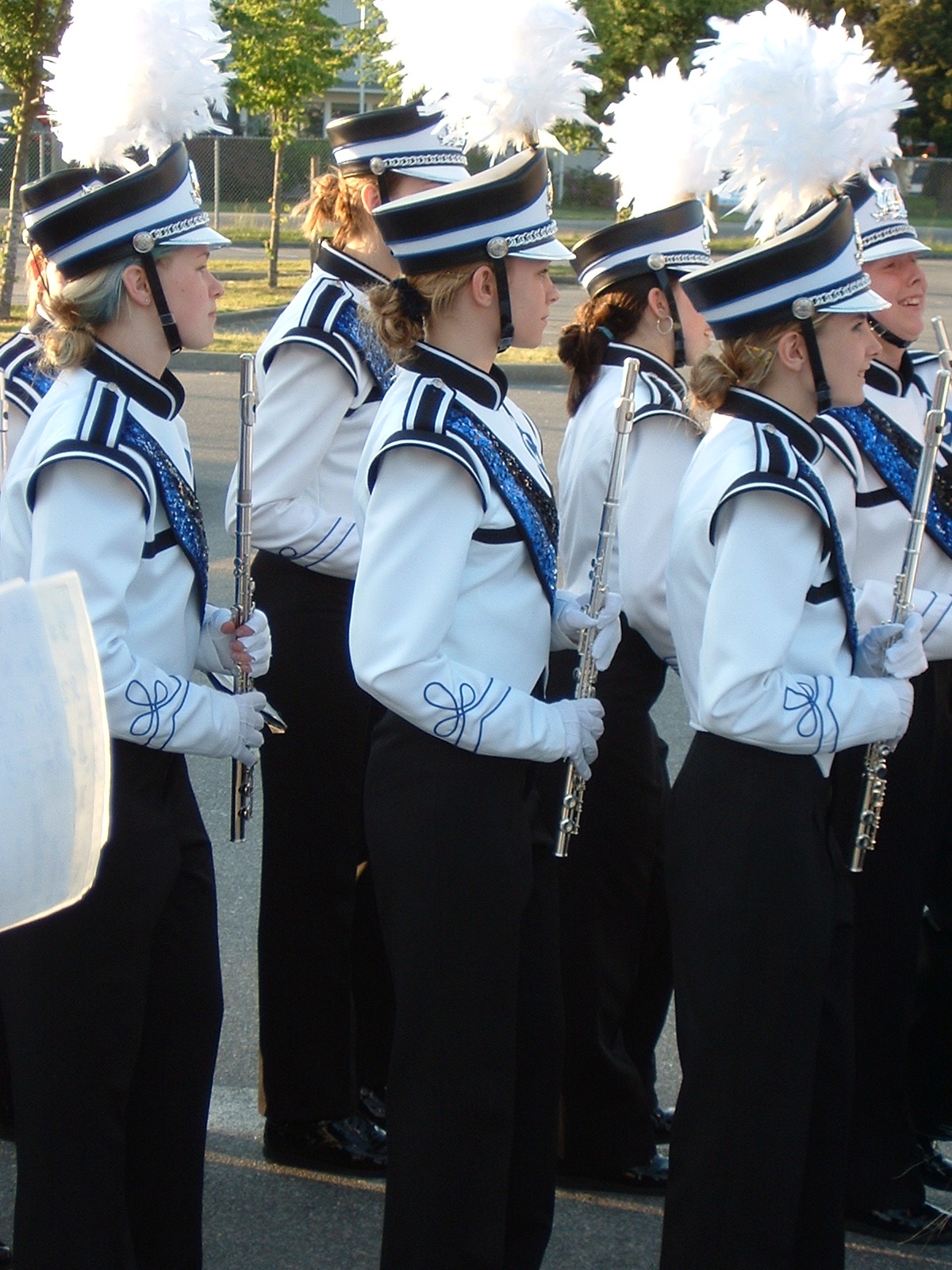
marching-band-1440110-1For #1 above, hopefully you have already read my epistle (see https://paulkfoxusc.wordpress.com/2015/07/04/marketing-yourself-and-your-k-12-music-certification/) on not limiting your options or selling yourself short as a music specialist (e.g. band director or elementary vocal teacher). If you want a job with a Pennsylvania Music K-12 Instructional certificate or equivalent, you have to be “expert” on all types and grade levels of public school music.

The music curriculum leader/department chair/lead teacher involved in the employment screening will want to know your mastery of creating lessons in everything from the foundations of “steady beat” and “matching pitch” to developing advanced technique and musicianship in any/all instrumental and vocal ensembles, including jazz improvisation, a cappella singing, and string chamber music.

However, principals, HR staff, and other administrators will likely care more about your classroom management skills, ability to communicate and work with others, personal initiative and willingness to work after school and in the evenings, record of consistent attendance (low incidence of absenteeism or tardiness re: college classes and other work history), and other personality characteristics. Believe it or not, at more than one interview, I was asked, “Since you call yourself trained as a musician, are you temperamental?”

The single most comprehensive publication on branding (and it looks like it is provided as a free service!) is The Complete Guide to Building Your Personal Brand by Neil Patel and Aaron Agius” at https://www.quicksprout.com/the-complete-guide-to-building-your-personal-brand/.

According to them, the greatest rationale for building your personal brand is that it opens up more professional opportunities. “Creating a vision for your future and implementing that vision can lead to a better job…” You should take time to read the guide’s chapters in detail:
  • your-brand-new-website-1-1058679How to Create Your Personal Brand Vision
  • How to Define Your Target Audience
  • How to Build Up Your Online and Offline Assets
  • How to Build Your Brand Through Outreach
  • How to Get Free Press Coverage
  • How to Connect with Mentors
  • How to Monitor your Brand
  • Be Yourself Because Everyone Else Is Taken

After you peruse all of the above material on personal branding, here are my top ten “takeaways” specific to every budding music teacher.

  1. Your personal brand is everything about you – your values, attitudes, integrity, initiative, work ethic, skills, and personality traits.
  2. Remember, a career in public/private school education is based on very conservative values. Be cognizant of what you say, how you look and act, and the overall image you portray. “Everything you say and do (or have ever said or done) may be used against you…”
  3. In this profession, there’s no place for too much levity or a lack of respect for conformity, longstanding traditions, and the orthodox. At my first job interview, I carelessly made a crack about signing an outdated “loyalty” oath (“I promise I am not a communist and will not try to overthrow the government…”), the result of which the superintendent gave me a major tongue-lashing and a 20-minute lecture on patriotism (but, somehow I still got the job!).
  4. shame-1431469Clean up your social media sites (Facebook, etc.). A photo of you and your college buddies drinking “adult beverages” in bathing suits at a beach may be misinterpreted. Google your name to see what comes up. How would you define the content you see of yourself online?
  5. Create a personal website to warehouse the elements of your “professional brand,” including your philosophy of music education, mission, goals, and a digital resume of your education,  experience, and accomplishments. If your college/university does not set you up with a free online site, explore “doing-it-yourself” with WordPress, Wix, or Weebly.com.
  6. The only social medium I can recommend without reservation is LinkedIn. Create and optimize your professional identity on LinkedIn, everything from getting an excellent photo of yourself to providing copious samples of your references, writing, hands-on teaching experiences, etc.
  7. If you have personal essays on your educational philosophy and vision, share your priorities as they relate to music curriculum, lesson targets, concert programming, assertive discipline, collaborative projects, and professional development, and always be ready for the most commonly asked interview questions (beat them to the punch by posting in writing your thoughts): Why is music essential to a child’s education? Why did you choose to become a music educator? Who had the greatest influence on you and why? What are your greatest strengths and weaknesses in this field?
  8. PaulFox_LogoIf you have time, design a personal logo, a symbol of you wherever you go on websites, e-mail footer, digital and printed portfolios, business cards, etc. Although I retired in 2013, I created the illustration at the above right. It implies that I am “a happy fox” (my last name), involved in music, and especially love a certain Beethoven symphony, reinforcing that I am an orchestral musician.

  9. Better than providing quick one or two-sentence answers to the interviewers’ questions, try to assemble a collection of personal anecdotes that dramatically illustrate your musical and teaching skills, critical thinking and problem solving, personality traits like patience, compassion, self-control, and thoughtfulness, and past successes. (For more information on developing story-telling skills, go to https://paulkfoxusc.wordpress.com/2015/08/02/when-it-comes-to-getting-a-job-s-is-for-successful-storytelling/).
  10. Whenever possible, archive your student teaching and other field experiences. “A picture says a thousands words!” Post short online video, audio, and photo examples of your positive interactions in music and with students in all kinds of settings.

One final thought. The best advice I have learned about branding is that it is all about “work in progress.” According to Adii Pienaar in “How to Build Your Personal Brand: The Next Step to Anything” (http://thenextweb.com/entrepreneur/2013/08/18/your-personal-brand-the-next-step-to-anything/), “Your brand is a living organism just like you are as a human and it needs to mirror the same kind of progression, evolution and maturation that you experience in your own mac-stuff-4-1500018life. Whilst legacy is important (as it gives context to your brand), continuous improvement and change should be part of how you shape your brand over time.”

He adds, “Your brand should make mistakes and you should have the opportunity to learn from them.” Just like a model college-entrance essay relating how you have persevered and adapted to life’s challenges and solved problems, your online presence should reveal your dedication to and steps towards self-improvement.

Finally, I echo Pienaar’s conclusion that there is no time like the present to get to work on personal branding: “Start today and brand shamelessly.”


PKF

© 2015 Paul K. Fox

It’s Time to “Dust Off Your Chops!”

Music Teacher Retirees: Participate in a Community Band or Orchestra!

violin-in-detail-2-1418385
(Reprinted from the Fall 2015 PMEA News, the state journal of the Pennsylvania Music Educators Association)

“Music lasts a lifetime!”

“Music makes me ____!”

“Make time for music!”

“Music touches lives!”

“Music is basic!”

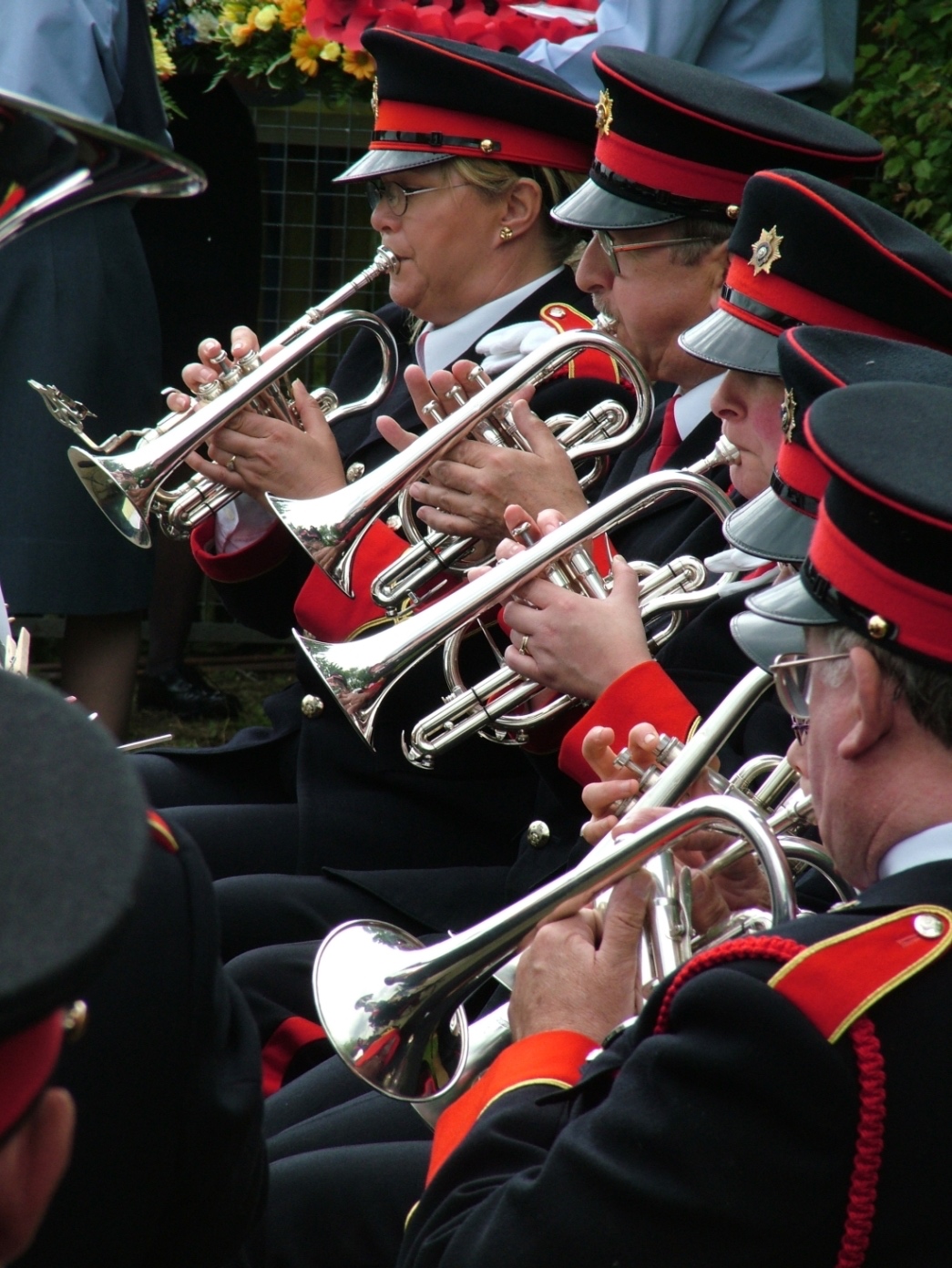
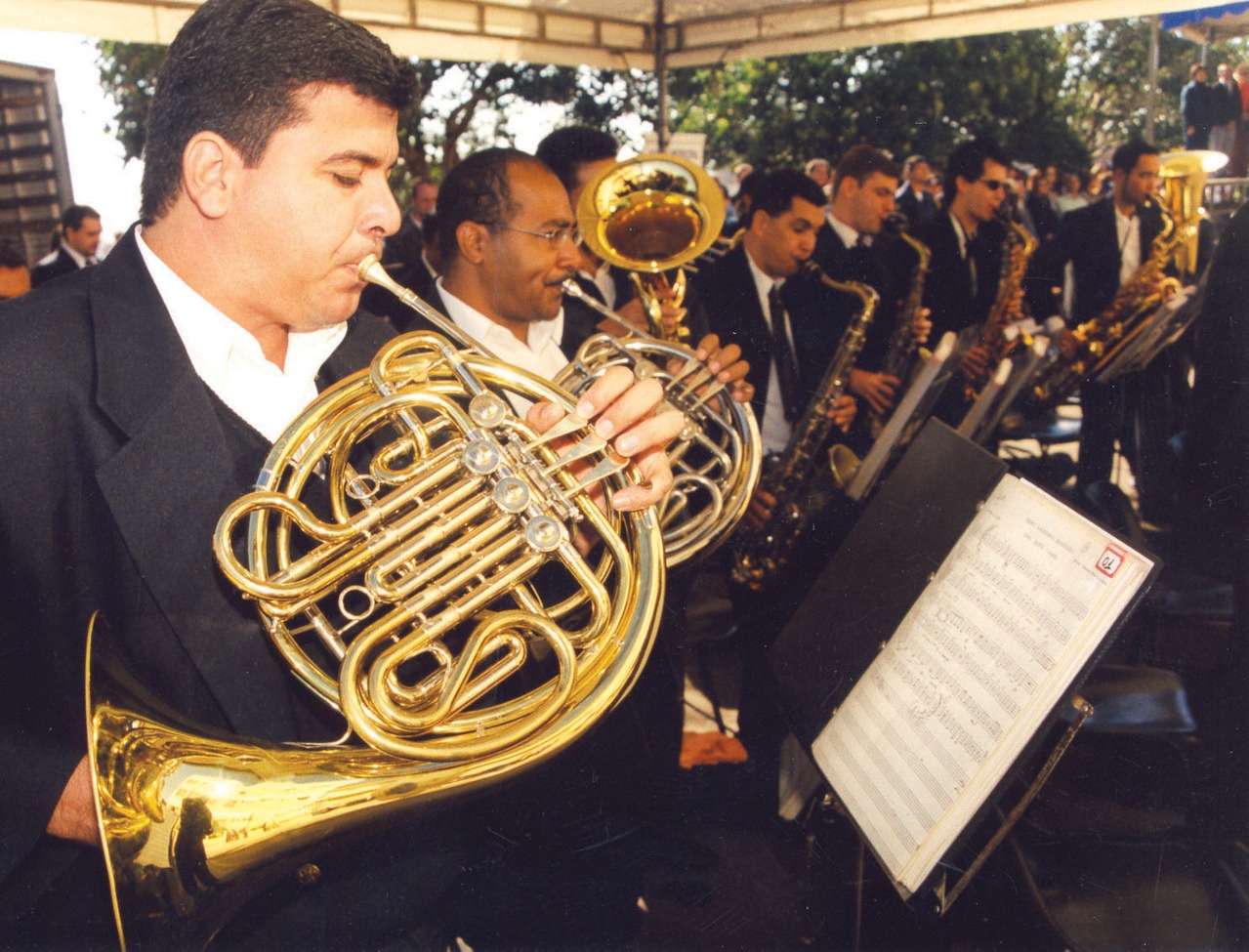
band-musicians-1423023More than titles of PMEA/NAfME/MENC conferences or past themes of Music in Our Schools’ month, these concepts bring us back to the roots of why we became musicians and music teachers in the first place.

When a music educator retires, among the many joys and fruits of his/her career-long investment in labor is a sudden life-style change – the glorious transformation of being set free from those things you no longer want nor need to do (routine day-to-day drudgery, paperwork, etc.) and embarking on new journeys to explore and embrace revised personal goals – hopefully including a renewed refocus on making your own music!

Besides being personally fulfilling and simply “fun,” regular sessions of making music are good for you! Citing numerous sources in her Association for Concert Bands (ACB) President’s Message “Enriching Lives Through Music” in The Journal of the Association of Concert Bands (Vol. 31 No. 2 June 2012 – see http://www.acbands.org/shellenberger-letters), PMEA Retired Member and ACB Past President Judy Shellenberger spotlights the importance of singing or playing music at any age, and its effect on “our brain’s system of neural pathways that improve our general measure of intelligence and longevity.” According to the Society for Neuroscience, one example of this is that “learning to play a musical instrument refines the entire neurological system. It demands precise movement of muscle groups and combinations of physical processes such as breathing, fingerings and articulations all at the same time.”

flute-player-1506263-1920x1440Additional quotes from Shellenberger’s letter include a contribution from Dr. Katrina McFerran, Melbourne Conservatory of Music, reminding us of the value of creative expression and ensemble participation in our lives. “Making music allows you to put your real self out there and be heard. Group music making is truly empowering and should be an essential part of the human experience,” she said. “For those performing in community bands, making music has a stronger relationship to health than listening does, and performing enables us to make stronger social connections.”

Shellenberger goes on to say, “In order to function optimally, we need to nourish our brains with nutritious food.” In his book, Use Your Brain to Change Your Age: Secrets to Look, Feel, and Think Younger Every Day, Dr. Daniel Amen states, “We must exercise and challenge our brains. Doing crossword puzzles are great but not enough, we need to stimulate our memories.” Shellenberger concludes with the essential justification that “new music challenges our brains. Every time we learn a new rhythm pattern, we challenge our brain and when we memorize the passage, it increases our brain circuitry to a higher level.”

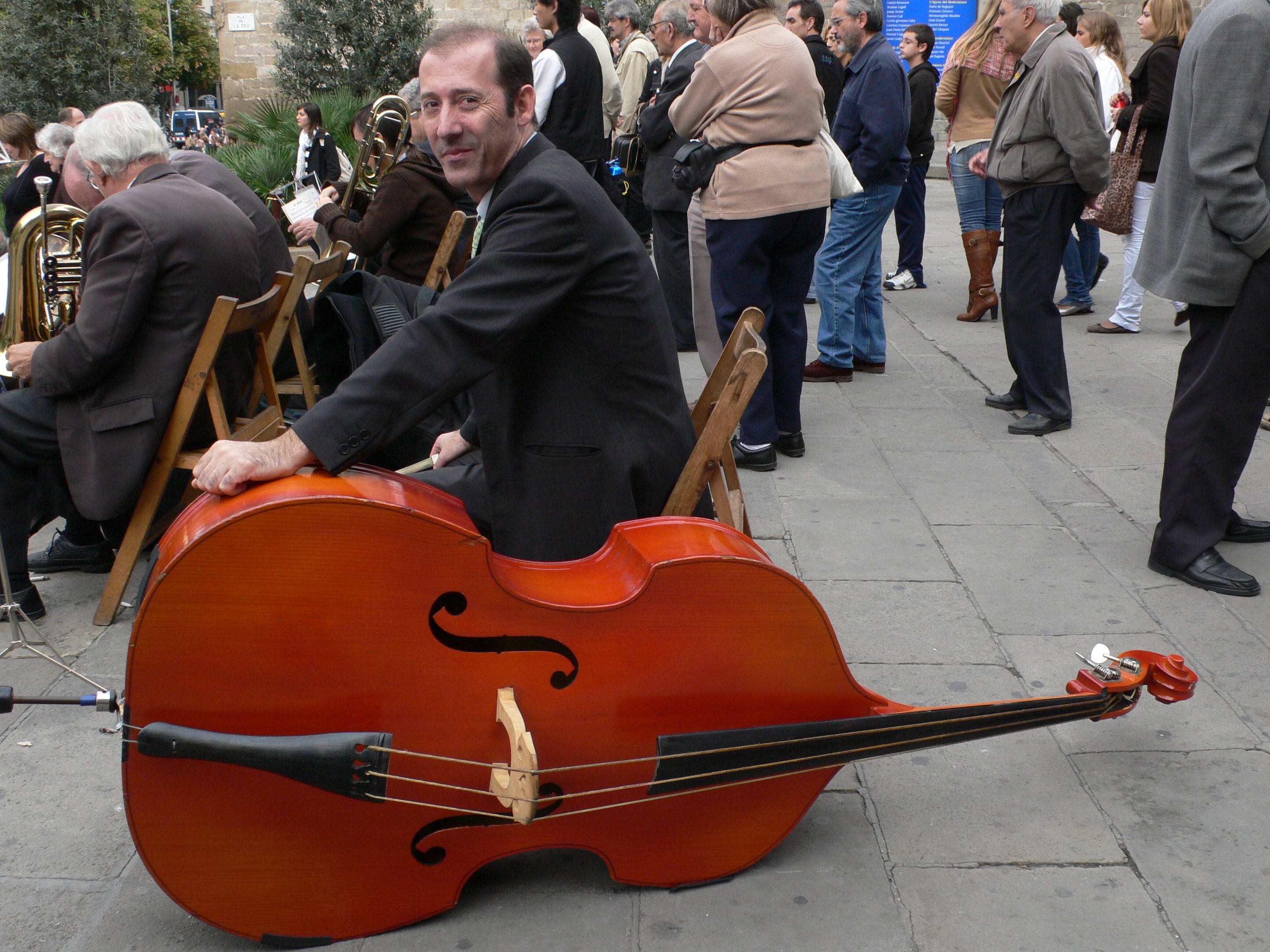
celloman-in-pause-1420972The late June Hinckley, former MENC President, lamented the tragedy when people fail to make music a vital component of life beyond the school years. In her April 2000 article “Music for a Lifetime” in MENC Teaching Music, Ms. Hinckley affirmed her view that music is a life-skill worth nurturing. She said, “I believe we need to be as concerned about community music programs as we are about school music, and to work with leaders to help them understand the vital role each plays in the cultural, social, and aesthetic fabric of our towns and cities as well as in our preschools and K-12 institutions. If music is basic, then it is basic to life’s many ages and stages, before, during, and after school for toddlers, school-age youngsters, and adults.” And retired members!

So, which pretext do you use to “put off” joining a community instrumental ensemble? The top ten “lame” excuses for not participating in a community band or orchestra may be:

  1. I haven’t played for years.
  2. My spouse’s “honey-do” list is too long.
  3. I can’t find my instrument.
  4. I turned my clarinet into a lamp.
  5. My dog howls at me when I play.
  6. I’m too busy! My calendar is full.
  7. I have arthritis, or the pressure is changing, so my shoulder, wrist, leg, arm (or whatever) hurts.
  8. I need new reeds… strings… drum sticks… some valve oil.
  9. I haven’t practiced all week (or month).
  10. There are no opportunities to perform in my area.

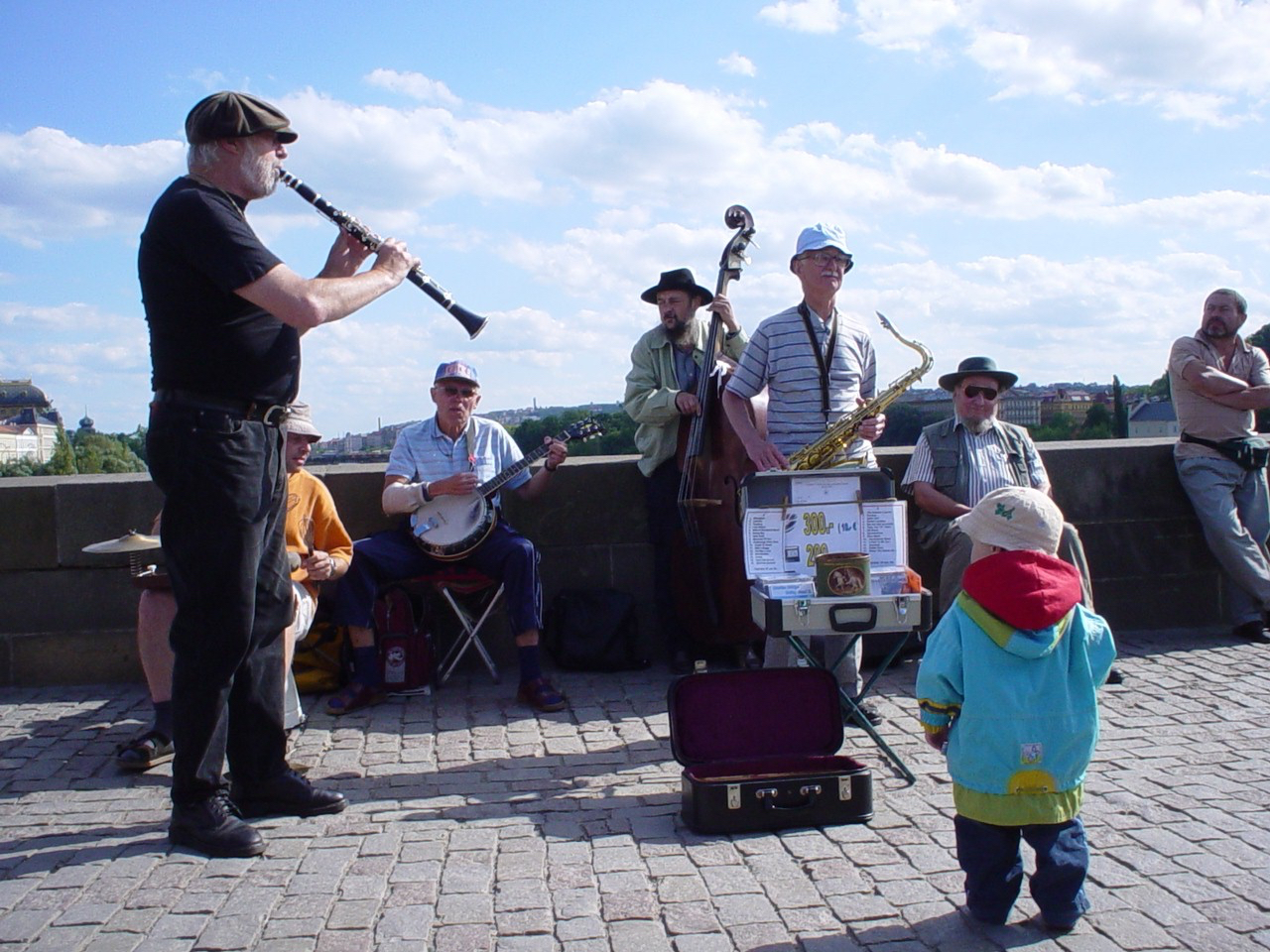
jazz-musician-1313572-1279x974Retirees, hopefully a few of these are not nostalgic – bringing back memories of the justifications for not practicing you may have heard from your own music students!

For some of us, the biggest obstacles of re-awakening our love of music and seeking hands-on experience playing in a band and orchestra are overcoming a little inertia, avoiding the blind acceptance of (bad) habits, and not being resigned to the myth that “our busy days and nights won’t allow us enough time” or that “we just have not played lately and feel very rusty!”

What is it about amateur music making that seems to be so intimating? Why do so some people think they have to be a virtuoso or “perfectly prepared” before participating in an ensemble? A few groups like the Community Band South (based in Upper St. Clair, Pittsburgh) generally have a “no student instrumentalists” membership policy. (With their hours of in-school rehearsals every week, most high school players have “major chops” and can usually play circles around “the seniors!”) Did you know there is a group in PA called RTO, which literally means “Really Terrible Orchestra?” (But, before you jump to any conclusions, better ask the members how they sound today.) Finally, does anyone remember Portsmouth Sinfonia, the “spoof” ensemble whose members earned recognition performing (badly) on non-major instruments?

old-band-young-fan-1502738The first big step about getting involved in a community band or orchestra is simply going out and doing it. Dive in! Remember how much FUN it was to surround yourself with like-minded and motivated musicians, all “making connections,” “coming together” and collaborating in an “ensemble,” exploring and interpreting new music and the classic band and orchestra masterworks, and regularly learning new skills of technique and expression on an instrument?

To facilitate finding an ensemble in Pennsylvania, please go to the PMEA website, click on “focus areas” and “retired members.” See http://www.pmea.net/retired-members/. This directory of PA community bands and orchestras will be updated (new groups added) from time to time. (Please clarinet-shots-1412621-1599x1066send any corrections or additions to paulkfox.usc@gmail.com.) Another excellent resource (especially for contact information) is a link posted on the Association for Concert Bands website: http://www.community-music.info/.

Happy trails, retired members, and enjoy the resurgence of your renewed personal music making!

PKF

© 2015 Paul K. Fox

Happy Trails, Retirees! PMEA Retired Members Rock-On!

Have You Heard These?

  • Old composers never die, they just decompose.
  • Old performers never die, they just go out of tune.
  • Old musicians never die, they just go from bar to bar.
  • Old musical producers never die, they just make a big production out of it.
  • Old band nerds never die, they just leave after halftime.
  • Old music teachers never die, they just lose their class.
  • Old rockers never die, they just shake, rattle, and roll.
  • Old lighting directors (or sound engineers) never die, they just fade away.
  • Old singers never die, they just perform another encore. 
  • Old conductors never die, they just lose their place.
  • Old string players never die, they just get strung out.
  • Old jazz artists never die, they just play on and on.

“The trouble with retirement is that you never get a day off.” – Abe Lemons

Filling Up and Fulfilling Bucket Lists

Retirement is a journey, offering another roadway towards self-realization. You would expect to see any retired person enjoying the fruits of his/her career-long labor by “taking a break” – exploring travel, sightseeing, fitness training, sports, gardening, home improvements, reading, babysitting grandchildren, rescuing a pet, volunteering, attending concerts/musicals/movies, discovering and developing new hobbies/skills/talents, hanging out with former coworkers – you name it! Retired music educators are no different! However, one advantage of being in the profession of teaching creative self-expression is that it was never “just a job.”

And the music goes on and on…

pmea
Many Pennsylvania Music Educators Association (PMEA) retired members remain active after they leave their full-time public/private school teaching positions. Numerous opportunities inspire retirees to continue making significant contributions to music and education. If you can actually catch-up with a former music teacher (they are usually very busy), he or she might be in the middle of participating in any number of Performing Arts or educational activities:
  1. PMEA state or local leadership position such as council representative or elected office.
  2. Full or part-time higher education instructor in music education methods, or supervisor of student teaching.
  3. Assistant director, guest conductor, or section coach for marching or concert bands, orchestras, choirs, chamber groups, jazz ensembles, dance or drama productions.
  4. Soloist, accompanist, and/or performer in community instrumental or choral ensembles at local community events, businesses, senior centers, and other venues.
  5. Music judge, clinician and/or director of PMEA adjudications, PMEA performance festivals, or commercial contests or competitions.
  6. Representative for local music store assisting on rentals and repairs of band and orchestra instruments.
  7. Private or class instructor of voice, instrument, or dance.
  8. Composer, accompanist, or music arranger for school music ensembles and concerts.
  9. Workshop presenter, clinician, presiding chair, sergeants-of-arm, registration aide, or volunteer at state and local music conferences.
  10. Writer of articles for local and state music publications, blogs, or other media.
  11. Advocate for arts education and the importance of creative self-expression, contacting local decision-makers and state legislators.
  12. Informal adviser and consultant assisting other music educators in the field, facilitated by joining the PMEA Retiree Resource Registry.

r3_logo

PMEA Retiree Resource Registry

Unveiled in February 2015 and based on PMEA Retired Members’ online survey responses, the Retiree Resource Registry (R3) and R3 Help Index archive a comprehensive record of music teacher retirees’ present and past job assignments, history of career achievements and awards, current professional music and music education activities, and special talents and interests. The registry serves as a “who’s who” directory of past leaders in PA music programs, as it documents the amazing contributions of some of the still most active albeit retired PMEA members. The R3 shares this vast wealth of the PMEA Retired Member experiences and expertise in order to offer the entire PMEA membership access to a list of very willing and capable informal advisers or consultants if anyone needs “free” (but priceless) help on a specific topic.

RVolunteer Areas

Help categories on survey (see R3 Help Index): accompanist, adjudications, arts advocacy, assessments, auditions, band, booster groups, chamber music, chaperoning, choral, choreography/dance, coaching, community ensembles, composing/arranging, core arts standards, curriculum writing, Dalcroze/eurhythmics, early childhood/pre-school, festival preparation, fund-raising, general music, guest conducting, guest lecturing, higher education, hosting a festival, instrument repair, instrument sales, jazz, Kodaly, leadership training, marching band, music appreciation, music theory, musicals, Orff, panel discussions, PCMEA/teacher training/mentoring, professional development, research, strings, technology, traveling/tours, voice, webinars, world drumming, and writing for PMEA News.

RStatistics

As of April 20, 2105, the R3 has the following statistics:

  • Number of Retired Members in Registry = 101
  • Expertise/interest in vocal music = 40%
  • Expertise/interest in instrumental music = 75%
  • Expertise/interest in classroom music = 46%
  • Expertise/interest at elementary level = 69%
  • Expertise/interest at middle school level = 76%
  • Expertise/interest at high school level = 78%
  • Expertise/interest at higher education level = 31%

Making Use of the Registry

To take advantage of this service, go to the retired member section of the PMEA state website and download the current R3 and R3 Help Index, both documents being updated periodically to reflect new/changed data received: http://www.pmea.net/retired-members/. Start with the R3 Help Index to peruse possible candidates. To help match your needs with potential retired “go‐to people,” the index is sorted by volunteer subject areas. Look up these names in the alphabetical main registry to find the retirees’ specific details, contact information, personal focus and specialties, and subjects they would be willing to provide assistance.

PMEA Retired Members: If you have retired from full‐time teaching, are willing to stay involved in PMEA, and want to join this prestigious list, please go to the PMEA website or this direct link: https://pmea.wufoo.com/forms/pmea-retiree-resource-survey/.

Freedom! It’s Doesn’t Get Much Better Than This!

The skies are the limit! Retirement provides the time for retirees to pursue their passions! Examine your “expressive roots!” What inspired you to choose a career in music? Refocus on some aspect of the creative realm, such as singing or playing your major instrument, or something new! What are you waiting for? Go out and realize your dreams!

PKF

© 2015 Paul K. Fox