Those of you who follow these periodic blog-posts may remember my April 18, 2025 “rant” entitled “70 and Out? – Mobility!” If you have ever experienced severe back or neck pain, I recommend revisiting this piece and skeptics, also read the article below. My chiropractors literally “saved me!” In my opinion, better than any MRI/x-ray, weeks of standard physical therapy, or MD intervention (pills, shots or surgeries), the chiropractic care of George and his son Benjamin Fraudin offered me the fastest progressive recovery while guiding me to take “baby steps” towards less pain, better mobility and flexibility! They diagnosed the exact location of my compressed discs, manually adjusted my spine, and provided exercises to help me transition out of the acute phase of my sciatica. I’m coming up to my one-year anniversary of needing a cane, TENS machine, and the rental of an electric wheelchairs during the four-day PMEA Annual Conference at Kalahari Resort in the Poconos. THANK YOU, Fraudin Advanced Chiropractic and Rehab in Pittsburgh, PA.
The following guest post authored by Jeanett Tapia was shared by Intouch Chiropractic. Intouch Chiropractic is a boutique chiropractic practice in San Diego, CA, specializing in NUCCA upper cervical care, spinal decompression, and advanced therapeutic treatments.
If you’ve spent any time researching ways to manage pain, improve your balance, or simply stay mobile as you get older, you’ve probably come across chiropractic care. And if you’re like many of us who’ve reached our retirement years, you may have also come across a reason not to try it, whether from a well-meaning friend, an outdated article, or simply an image stuck in your head of someone’s spine being violently “cracked” into submission.
Here’s the truth: many of the most persistent beliefs about chiropractic care are simply wrong. And those misconceptions may be quietly standing between you and a better quality of life.
Let’s clear the air.
Misconception #1: “Chiropractic care means painful cracking and twisting”
This is, by far, the most common reason seniors avoid exploring chiropractic care. The dramatic neck-snap you’ve seen on TV or heard about secondhand bears little resemblance to what many modern chiropractic practices actually do.
In fact, there are even highly specialized approaches, like NUCCA (National Upper Cervical Chiropractic Association), that involve zero popping, cracking, or twisting of the spine whatsoever. NUCCA chiropractic care focuses on a precise, gentle correction of the atlas vertebra (the top bone of the spine), using only a light, calculated touch near the base of the skull. Most patients are surprised by how mild the treatment feels.
For seniors, retirees, or anyone with concerns about bone density or joint sensitivity, this kind of approach can be a genuine game-changer.
Misconception #2: “It’s too risky for older adults”
Many seniors assume chiropractic care is designed for younger, healthier bodies and that it carries real danger for those with osteoporosis, arthritis, or other age-related conditions. This concern is understandable, but largely unfounded when care is delivered by a qualified, experienced practitioner.
Trained chiropractors assess every patient individually, reviewing medical history, imaging, and physical condition before determining an approach. Techniques are adapted specifically for older adults, emphasizing comfort and safety at every step. Research consistently shows that when performed by a qualified professional, chiropractic care can improve mobility and decrease pain without serious risk, even in elderly patients.
Are there chiropractors that should be avoided? Absolutely. But that’s true with any profession or expertise. For seniors looking for things like treatment for chronic back pain, a good chiropractor can go a long way.
Misconception #3: “Chiropractors only treat back pain”
It’s true that most people walk into a chiropractor’s office with back pain. But limiting chiropractic care to a single symptom is like saying a cardiologist only treats chest pain.
Spinal misalignment, particularly at the top of the cervical spine, can affect far more than your back. Common conditions that respond well to chiropractic care, especially for older adults, include:
Chronic neck pain and stiffness
Headaches and migraines
Balance and coordination problems (a major fall-risk factor for seniors)
Joint pain and reduced range of motion
Sleep disturbances and fatigue
Brain fog and reduced mental clarity
For retirees trying to stay active, whether that means walking the golf course, playing with grandchildren, or simply navigating daily life with confidence, these benefits matter enormously.
Misconception #4: “You’ll need to go forever once you start”
This misconception often comes from a misunderstanding of how chiropractic care works. While some patients choose to make regular maintenance visits a part of their long-term wellness routine (similar to dental checkups), you are never “locked in.”
Many patients come in with a specific concern, receive a course of treatment, and achieve lasting relief, particularly with upper cervical approaches like NUCCA, which aim to deliver corrections that hold over time rather than requiring constant repeat adjustments. The goal is always to restore your body’s natural alignment so that it can maintain itself more effectively.
Your treatment plan is yours. A good chiropractor will communicate clearly, set realistic expectations, and respect your pace and goals.
Misconception #5: “It’s not real medicine, my doctor won’t approve”
Chiropractic care has long suffered from an image problem as being “fringe” or unscientific. That reputation is increasingly outdated. Numerous peer-reviewed studies demonstrate the efficacy of chiropractic adjustments for pain management, mobility improvement, and quality of life, and many primary care physicians now actively refer patients to chiropractors as part of a complementary care plan.
For seniors especially, the appeal of a drug-free, non-surgical approach to managing chronic pain and maintaining mobility is hard to overstate.
It’s not about replacing your doctor, it’s about giving your body more tools to work with.
Why This Matters for Retirees and Seniors
Mobility is independence. The ability to move freely, stay balanced, and live without chronic pain directly shapes the quality of your retirement years. Chiropractic care, particularly the gentle, precision-based approaches now available, offers a compelling, low-risk option for seniors who want to stay active and avoid the side effects of long-term medication use.
If you’ve dismissed chiropractic care based on any of the myths above, it may be worth taking a second look, especially at upper cervical approaches designed with your comfort and safety in mind.
This is an introductory blog-post perusing my early research and resources on supporting educator health/wellness in advance to my presentation Self-Care Cookbook 2.0 – Recipes and Resources for School Leaders for the PA Department of Education’s SAS Institute 2025 state conference scheduled for December 8-10, 2025 in Hershey, PA. Here is the summary description for the workshop:
“Do you find the harried pace of our profession overwhelming and at times crushing when buried beneath decades of keeping our noses to the grindstone and putting everyone else’s needs above our own? Do some of your staff members say they are stressed out, constantly tired, plagued by one ailment after another, or wondering how they’re going to “keep up?” If health is interfering with your colleagues’ abilities to do their jobs and find success, balance, and meaning in their lives, then it is time for change. The purpose of this session is to empower school leaders and teachers with skills and attitudes needed to make informed decisions to promote self-improvements in their lifelong health and wellbeing, to LEARN tools for better time management and to help remediate fatigue, stress and burnout, CONNECT and collaborate with your staff to inspire unique strategies for better personal self-care, and ACTIVATE creative new approaches to foster an improved workplace environment.”
Actually, previous articles at this site have dived into this subject of educator stress, burnout, and the development of a health and wellness self-care plan to build resilience, work/life balance, and reignite our motivation and passion for teaching. For a complete overview, I recommend you revisit these:
(Inspired by keynote speaker/author Simon Sinek): Why is this discussion so important now?
When I mentioned my research to my colleague (and former student) Dr. Timothy Wagner, Principal, Upper St. Clair High School (my former placement for full-time employment), he mentioned that this topic was timely and highly relevant, and suggested that perhaps there might be more statistics and resources “out there” on the stress of health-care workers and first-responders, which I found to be true. However, early looks have shown numerous parallels to the information in my 2023 Self-Care session.
My PDE SAS Institute session will become a “two-for-one” presentation, including the opportunity for school/system leaders, building administrators, and directors of school district professional development to also download my original “Self-Care Cookbook” (1.0) slides, recently updated for the DCMEA Annual State Conference (January 20, 2026). This self-help workshop is geared for educators to “on-their-own” explore strategies, implement use of individualized tools/remedies, and formulate new goals to improve health and wellness. Both sessions hope to cover these key questions:
Why is it essential to personal health to achieve balance in our lives, and how can we achieve it?
How does dedication to wellness lower the risk of illness, injury, and the quality of a person’s life?
What are the consequences of our choices in terms of time and stress management?
How do effective decision-making skills and goal setting influence healthier lifestyle choices?
What are suggestions, strategies, and samples for the development of a personal self-care plan?
Using a facsimile of a prescription pad in Self-Care 1.0, I posed these personal reflections:
How do I usually feel daily throughout the school year?
What are the emotional and physical tolls of my job?
What specific self-care activities do I need to incorporate to recharge and prevent burnout?
What boundaries do I need to set around my work to honor personal time?
What support systems can I build and/or professional help should I seek to create a sustainable practice?
Good ideas…
How can school admins support their staff in dealing with the climbing incidences of health problems, teacher exhaustion, call-offs, evidence of burnout, and high turnover rate? Sorting through a compendium of online research, these recommendations for school leaders occur repeatedly:
Probably should go without saying: Show high visibility (“be seen by all”), recognition, and know everybody’s name. This goes a long way in building a sense of belonging of the staff and students.
Provide more time for breaks and planning. Engage teachers in problem solving teams to identify and implement substantive ways to give them more time. Examples: cutting back on testing and data analysis; holding fewer and shorter meetings; putting a hold on new academic initiatives while increasing mental health initiatives conducted by school-based mental health professionals; hiring individuals who can assist with administrative tasks; compensating teachers for extra work; protecting classroom time by minimizing interruptions; reducing teaching hours to allow for more prep time and follow-up time.
Foster a supportive community through mentorship programs.
Distill high-impact strategies into a handful of manageable priorities. Once the goals are set, give teachers specific time within the school day or week to focus solely on them.
Communicate directly, clearly, and frequently. “Supportive administrators know that a teacher’s time is valuable and that administrative meetings compete with individualized education programs, data teams, professional learning committees, cross-curricular planning meetings, and much more. So if a meeting is only for sharing straightforward information, it can be an email instead. It’s not necessary to have a meeting simply because the schedule says that faculty meetings are in the cafeteria on Mondays.” – Edutopia: “4 Practical Ways Administrators Support Teachers”
Treat teachers with respect like the professionals they are, increasing mutual trust by decreasing micromanagement or reducing unnecessary accountability documentation.
Shadow multiple teachers to experience first-hand the reality of their typical day.
Allow educators the option to attend meetings and professional development activities virtually.
Involve teachers in the creation of targeted professional development activities that are the most meaningful for them.
Ask teachers about what specific help they need to improve classroom management.
Develop a plan (with the Board of Education?) to increase teacher compensation over time, taking into account that many administrative and clerical tasks that are now required of teachers might ultimately be delegated to less highly compensated individuals.
Address staff performance issues on an individual basis rather than issuing global reprimands that don’t apply to most teachers.
Implement policies that encourage work-life balance. For example, recognize measurable indications of quality teaching rather than behaviors that signal a “more is better” approach (always coming in early and staying late, volunteering for everything, talking about working all weekend to catch up, etc.).
Support educators by acknowledging stress, providing professional development on self-care, and creating a culture where asking for help is normalized.
Ask teachers what mental health or other supports they need to cope with their own distress. Research has demonstrated the effectiveness of introducing trauma-informed strategies, including an emphasis on compassion fatigue and secondary trauma, as well as mindfulness strategies that are part of institutionalized wellness routines.
Provide “safe spaces” (SEL) where educators can express themselves without fear of being judged, and practice “Mindful Leadership” to connect with and listen to them. “Getting to know your teachers on a more personal level makes it easier to identify the best thing you can do to support them, even if teachers aren’t sure what they need. The goal should be making sure everyone made it to work okay and that they’re in good spirits and ready to tackle the day.” – 7 MINDSETS: “5 Ways Administrators Can Support SEL for Teachers”
Counteract “toxic positivity” by acknowledging that teachers are hurting and need space to grieve the continued losses associated with the pandemic.
While “wear your jeans to work” days and offering coffee and donuts occasionally are nice employee appreciation efforts, they do nothing to address the underlying issues.
Offering one-shot seminars or newsletters with suggestions about individual self-care activities (breathing exercises, physical exercise, time for self, etc.) can inadvertently place further burdens on teachers, conveying the impression that they are responsible for both creating and addressing the stress that is structural in nature.
Don’t conduct teacher surveys or focus groups about how to reduce teacher stress and then proceed to ignore their suggestions about what would make things better.
Don’t assume that short bursts of extra time (e.g., ending a meeting early to give teachers more time) is useful. Small, unexpected pieces of free time do not help teachers catch up with work that requires concentration and focus.
Don’t avoid difficult conversations to address the performance problems of individual teachers by making blanket statements/warnings to all teachers, most of whom are not engaging in the problem behavior.
“Be careful not to adopt a stance of “Toxic Positivity,” that is, a stance that accentuates the positive (“we are all in this together,” “we are strong,” “it could be worse,” “look on the bright side”) while invalidating the very real pain that everyone is experiencing. Denying or ignoring unpleasant emotions tends to make them worse, not better. – Effective School Solutions
Free Downloads
I am putting on the final touches to the SAS INSTITUTE 2025 Self-Care Cookbook 2.0 session, but have already assembled a huge bibliography of resources for your review (see below). For a “sneak preview” of my slide summary, click here. Future updates will be posted here: https://paulfox.blog/care/.
Better yet, register for the SAS Institute 2025 to see everything in person.
Sample Books
180 Days of Self-Care for Busy Educators by Tina H. Boogren, Solution Tree Press (2020)
Awakened – Change Your Mindset to Transform Your Teaching by Angela Watson, Due Season Press & Educational Services (2023)
The Balanced Band Director – Productivity and Wellness Tips to Amplify Your Impact, Not Your Workload by Lesley Moffat, Morgan James Publishing (2025)
Demoralized – Why Teachers Leave the Profession They Love and How They Can Stay by Doris Santoro, Harvard Education Press (2018)
Exhausted – Why Teachers Are So Tired and What They Can Do About It by Paul Murphy, CreateSpace Independent Publishing Platform (2017)
Fewer Things, Better by Angela Watson (2019)
The Happy Teacher Habits by Michael Linsin, JME Publishing (2016)
Love the Job, Lose the Stress: Successful Social and Emotional Learning in the Modern Music Classroom by Lesley Moffat (2022)
Positive Mindset Habits for Teachers by Grace Stevens, Red Lotus 2018
Rekindle Your Professional Fire – Powerful Habits for Becoming a More Well-Balanced Teacher by Mike Anderson, ASCD (2024)
The Teacher’s Guide to Self-Care – Build Resilience, Avoid Burnout, and Bring a Happier and Healthier You to the Classroom by Sarah Forst, The Designer Teacher (2020)
The Teacher’s Guide to Self-Care – The Ultimate Cheat Sheet for Thriving Through the School Year by Melanie J. Pellowski, Skyhorse Publishing (2020)
Upbeat – Mindset, Mindfulness, and Leadership in Music Education and Beyond by Matthew Arau (GIA Publications (2022)
The Weekend Effect: The Life-Changing Benefits of Taking Time Off and Challenging the Cult of Overwork by Katrina Onstad, HarperOne (2024)
“Being an educator requires so much of us,” says Carol Laman, faculty member at Purdue Global. “It is emotionally, physically, and mentally demanding.”
According to the National Education Association, we have a MAJOR problem!
A study by the advocacy group, Alliance for Excellent Education, reports that 40-50% of new teachers leave within their first five years on the job. Many factors contribute to the high dropout rate, a severe lack of work-life balance and the inevitable high stress levels teachers feel on the job, to name a few. Because of this, self-care is extremely important for teachers. However, it’s hard for teachers to take care of themselves when their career is taking care of students. ⏤ https://www.nea.org/professional-excellence/student-engagement/tools-tips/importance-self-care-teacher
The online Oxford dictionary defines “self-care” as “the practice of taking action to preserve or improve one’s own health,” or “the practice of taking an active role in protecting one’s own well-being and happiness, in particular during periods of stress.”
Self-care means taking the time to do things that help you live well and improve both your physical health and mental health. This can help you manage stress, lower your risk of illness, and increase your energy. Even small acts of self-care in your daily life can have a big impact. ⏤ https://www.nimh.nih.gov/health/topics/caring-for-your-mental-health.
The National Wellness Institute (NWI) further defines wellness as a “conscious, self-directed, and evolving process of achieving one’s full potential… [It] is positive, affirming, and contributes to living a long and healthy life.” NWI addresses six dimensions of wellness, the combination of which “enables us to thrive amidst [life’s] challenges.”
Emotional
Physical
Intellectual
Occupational
Spiritual
Social
In our profession, the defining concerns also involve other major “C’s” within the school workplace – climate and culture – and that “actions speak louder than words!” Edutopia dove into this topic in their blog, “Leaders Must Address Teacher Well-Being With Action, Not Just Self-Care Talk” here.
That leads us to THE WHY – why is this such a crisis?
In my educator self-care workshops (e.g., this example), I bring up the research of Paul Murphy from his book Exhausted – Why Teachers Are So Tired and What They Can Do About It. Consider his litany of possible culprits that may cause burnout in some teachers:
Lack of autonomy
Dysfunctional work environment
Inadequate social support
Extremes of activity
Poor work/life balance
Another excellent read on the subject is Demoralized – Why Teachers Leave the Profession They Love and How They Can Stay. Author Doris Santoro takes a closer look at these issues:
Teachers feel frustrated from accomplishing good work that benefits students, communities, and the profession.
Problem is external and does not indicate a “weakness” or lie within the individual teachers themselves.
Dissatisfaction in education is due to moral and ethical conflicts.
Only by addressing the moral sources of teacher’s anguish might we stem the tide of teacher exodus. ⏤ “The Problem with Stories About Teacher Burnout” by Doris Santoro in Kappan December 2019/January 2020
What are the symptoms of “burnout?” From the Mayo Clinic and other sources, we learn the following. Do you display any of these on a regular basis?
Disillusionment over the job
Cynicism at work
Impatience with co-workers, administrators, and students
Lack of satisfaction in accomplishments
Dragging themselves to work and trouble getting started once they’re there
Lack of energy
Unexplained aches/pains
Self-medicating with food, drugs, or alcohol
Changes in sleep/eating patterns
Are these striking close to home? If you said, “Yes, that’s me!” more than a couple times, it is time to seek help. Please consider this a “wake-up call” to visit your health care professional.
The Courses-of-Action
If you Google search “teacher self-care” in your browser, the following comes up from the (experimental?) Google-generative AI Overview, otherwise a good starting point summarizing possible solutions for stress remediation and improving over teacher mental health.
The research suggests that many “bad habits” may disrupt our ability to take care of ourselves and seek change, such as these:
Self-Sabotage
Negative Self-Talk
Lack of Self-Compassion
My insightful Washington-state music teaching colleague Lesley Moffat has written an excellent book, I Love My Job But It’s Killing Me – The Teacher’s Guide to Conquering Chronic Stress and Sickness, and in my opinion, she hits the nail squarely on the head embracing Shakespeare’s “to thine own self be true” in a renewed motivation on self-help:
You must take care of yourself first. This is the hardest lesson of all, yet it is so important. Chances are you got where you are because you ran yourself ragged taking care of other people’s needs. I bet you never said no to requests to be on one more committee, drive carpool, watch a friend’s kids, and every other favor someone made of you, yet I’d also bet there’s a good chance you never take the time to take care of your own needs. When was the last time you read a book for fun? Or went to a movie you wanted to see? Or pursued a creative endeavor that made you happy? Or any one of a million things you want to do? I bet it’s been a long time. ⏤ Lesley Moffat
It is time to take the plunge towards better personal health, wellness, and balance in your life. There are plenty of resources out there for you to peruse, but don’t just sit there and read them! DO THEM!
As summer draws to a close and schools begin to reopen, we look forward to the coming autumn season (and hopefully some relief from the scorching weather). After all, tomorrow will be the first day of classes at my former place of employment (and the dress rehearsal for Friday’s marching band senior show). Soon we’ll enjoy one of my favorite transitions of the year! In Western Pennsylvania, deciduous trees will gradually change color (some bright red, orange and yellow) and then shed their leaves… the perfect metaphor for the final sections of my “Bookends” series.
(Yes, fall is a month away… but, as you can see, the stores are way ahead in anticipation of the changing seasons!)
Autumn is a season of harvest, a time to reap the rewards of our hard work and reflect on the blessings in our lives. The Fall Equinox is a reminder for us to assess our accomplishments instead of our shortcomings.
We return to a discussion first introduced last October in Bookends – Part One – The Life Cycle of a Successful and Happy Music Educator, exploring:
Stage 4: Veteran/Sustaining Years (this blog)
Stage 5: Next Chapter/Living the Dream (future blog)
When do we become “experts” in our field? When are we “master teachers?” Do we ever reach the apex of our achievements, the crowning glory of our career, or the pinnacle of our profession?
Never! You snooze, you lose. If you stop expanding on your knowledge and skills, forgo exploring new ideas, methods, and media, or become stagnant and settling into a rut at work, you might as well RETIRE (“Stage 5”). Instead, I direct you to revisit “Stage 3” in Bookends II here. As dedicated educators, the focus must be on constant retooling… reviewing/revising “best practices,” setting new goals, and building on the existing networks and engagement in the profession. These have always been the essential elements of a true professional.
Now I should mention that during our middle-years, we sometimes return to education, get advanced degrees, new certifications or teaching specialties, apply for new job assignments, etc. When my PMEA colleague and fellow music teacher retiree John D’Ascenzo left full-time teaching, he went on to pursue a doctorate degree. Also appropriate for our next Bookends section, I have often quoted his analogy for all career stages to “swim like a shark” (since a shark never stops moving, even when it is sleeping). Sage advice for us all!
During my whirlwind of more than five decades in the field of music education, I went through several “first-year-of-teaching” passages, such as accepting my first job in general music at Edgewood School District (1978-1980), then being hired to direct strings (grades 6-12) at Upper St. Clair School District in 1979 followed by a 16-year appointment to the USCHS choral program of over 200 singers in 1980 on… transitions requiring massive job retraining and revitalized professional development. I may have not appreciated the stress of these “hurry up and relearn” periods at the time, but these periodic challenges made me GROW. In the end, I “lived” and embraced Robert Frost’s poem, “The Road Not Taken.” It may have not been the initial pathway I imagined for myself when I started in music education, but “I took the one less traveled by, And that has made all the difference.”
To this day, this violist and orchestra director has NO REGRETS teaching so many years outside of his so-called “specialty” or emphasis! It comes back to me every time I run into former choral or musical students, those I taught in those early years of being a vocal novice (at times when I felt less prepared). My past instrumentalists/singers/actors reminisce a little and literally rave about their musical experiences and what they meant to them.
My emphasis to foster success in our “veteran years” is also on teacher self-care: health and wellness, burnout prevention or remediation, stress and time management, and personal life and work balance.
Let’s start with examining the probable causes of STRESS in TEACHERS:
Overwhelming workload, long hours, and/or challenging classroom situations
Lack of administrative or social supports
Feeling a lack of respect, loss of job autonomy, or not being valued or appreciated in the organization or assignment
Dysfunctional or hostile work environment
Inconsistent hydration and consumption of a balanced diet and healthy quantities (length, depth, and frequency) of rest and sleep
Irregular amounts of daily aerobic physical exercise
Misuse of the voice at work and inadequate hearing conservation and protection from over-exposure to sound
Deficient scheduling of opportunities for mindfulness, meditation, and/or reflection
Deprivation of personal outlets for creative self-expression (not related to job) and the lack of time to explore hobbies, interests, and socialization with family and friends
Infrequent use of sick days or vacations even when they are needed for restorative health
We all have experienced at least a few of these “bumps along the road” (but hopefully NOT most of them). Although I generally had very supportive administrators throughout my years in the public schools (and no one would claim I exhibited any symptoms of “burnout”), I did model a few of the inconsistent habits of personal health (diet, sleep, etc.) and an unbalanced work/personal life schedule. And, perhaps it could be said that I did some of my best work totally exhausted!
Besides being aware of your “body chemistry” (especially what the challenges of constant willpower, deferred gratification, and relentless scheduling can do to lower your blood glucose levels later in the day), to quote Murphy, some of his suggestions for remediation are NOT so easy to follow:
Work less/fewer hours
Time before school is worth more than twice as much as time after school
Use class time to check work
Leverage technology
Don’t grade everything
Stop assigning things
Sorry! My wife and I modeled the behavior of “more-than-full-time” music teachers with after-school rehearsals of marching bands, musicals, community orchestras, chamber ensembles, private lessons, music festival preparation, etc. How in the world do you work fewer hours? Also, since most music teachers do not assign “paper” homework requiring teacher correction, “checking for understanding” and in-class formative assessment could improve efficiency. Sometimes we are own worst enemies… We should “keep it simple” and focus on the priorities. That brings us to time management.
My favorite strategies for organizing our time and fostering a better work/life balance involve these resources (click on links below to past blogs at this site). PLEASE STUDY THESE!
I return to the “Four D’s” concepts several times in past writings, and the “system” can be applied digitally as well… as long as you make a concerted effort to take the necessary time (10-20 minutes) every day to manage the up-front decision-making to “do immediately,” file, or weed out most of the “voluminous noise” (distractions) you get in email, texts, voicemail, snail-mail, etc. Get ready to push the “delete” button… over and over again!
Also, if you are a member of NAfME (National Association for Music Education), search their vast library of related blogs here, several articles to which I was fortunate to have contributed.
Final thoughts for the “sustaining years” of your profession and to avoid any touches of BURNOUT is to develop a self-care plan. My first go-to for building meaningful wellness habits comes from “What Self-Care Is and What it Isn’t.” In past health and wellness workshops, I echo these “basics.”
Promote a nutritious, healthy diet, and hydrate often.
Get enough sleep.
Exercise.
Follow-up with medical care.
Use relaxation exercises and/or practice meditation.
Spend enough time with loved ones.
Do at least one relaxing activity every day, whether it’s taking a walk or spending 30 minutes unwinding.
Do at least one pleasurable activity every day, from going to the cinema, cooking, or meeting with friends.
Find opportunities to laugh.
Self-care can take many forms, such as physical, spiritual, and emotional self-care. It’s an important factor in maintaining health and well-being.
Self-care might range from a hot soak and yoga to everyday activities like preparing meals you want to eat or dressing in your choice of style.
Self-care is not an indulgence. The WHO recognizes it as a crucial aspect of health maintenance.
Tailoring self-care for your budget, season in life, and personal needs for whole body wellness, inside and out, can be energizing and exciting in itself.
Veteran full-time educators: To sustain and nurture success in the middle to twilight years of your career (Stage 4), seek to understand and practice personal wellness and work/life balance while continuing your pursuits in self-motivation, self-assessment, self-energizing, self-(re)invention, and “growing” personally and professionally, and if it becomes necessary, promote the diagnosis, prevention and self-remediation of debilitating stress and burnout.
If you walk through the heart of Facebook’s headquarters in Menlo Park, California, you’ll find a rather imposing two-story mural painted by artist Brian Barnecio. It looks like a massive totem pole filled with abstract shapes that resemble lips and eyeballs and boxes of ping-pong balls, and in the middle of it all, there’s a single word: hack.
In the late ’80s and on into the ’90s and early 2000s, hack was a dirty word. It evoked danger and criminal activity. It was all about breaking into computer systems, telephone networks, and other vulnerable technology. People who knew their computer history disagreed, but the negative connotation took hold in the mainstream. But over the past decade, hacker has been rehabilitated. Today, it seems, everyone wants to be a hacker. Facebook has gone a long way towards renovating the word, building its massive successful company around the idea that hacking is a good thing, a way of transforming technologies into something better.
Referring to only positive interpretations of “hack,” we turn to the World Wide Web and our colleagues in collaboration to explore unique ways to streamline and make more efficient our personal organization, day-to-day routines, and management of our office and music teaching “best practices” in time/task management. Peruse through these insights “borrowed” from professionals in the field. Some may resonate within you and solve problems you may have; others may inspire you to create other “hacks” towards success.
If you haven’t done so already, please consult my past blog posts on similar topics at this site:
First, I will revisit and expand on one of my favorite “systems” called Priority Management.
The Four D’s
Ever heard of Priority Management (PM)? Trolling the Internet, there are a lot discussions and resources that extol the virtues of “the four D’s” – DO IT, DELETE IT, DELAY IT, or DELEGATE IT:
It may at first seem like a novel way to clean off your desk and desktop. But, in my opinion, it goes to the root of our problem in time management – PRIORITIZE and give rid of the (another “D”) DISTRACTIONS!
PM’s “WorkingSm@rt method” promises to help you “gain control over your day, find balance, prioritize your work, and reach your goals,” giving you time to focus on the tasks that are important to you. The bottom line – every digital or printed post-it-note, piece of mail, receipt, publication, email or other communication – must be “put in its place” on the spot – either completed instantly, deferred to another time, given to someone else to do, or THROWN OUT!
You could reverse the order of the D’s to make the workflow go even faster… “start with the end in mind” as Stephen Covey would say, and DELETE unnecessary “stuff” first. This “habit” is particularly suitable for email: clear out the spam and TRASH duplicate messages and things that do not need your response.
Consider these PM Hacks:
In advance, set-up file folders labeled by months, weeks, or days, and one each of these: in-basket, out-basket, and (very important) PRO-TIME tray.
Designate a “PM Period” every day when you go through your in-basket of unsorted (e)mail and delete unnecessary stuff/tasks, date/delay for another time, delegate to others (out-basket), or… DO THEM NOW!
As part of your “delay file,” place journals, catalogs, or other professional readings in a professional read tray (PRO-TIME), but regularly schedule daily/weekly time to do “silent and sustained reading.”
Allow NO unsorted pieces of paper to ever infiltrate the surface of your desk.
How does PRO-TIME look for a music educator? We should intentionally focus on fostering our own creative self-expression, artistry, and professional development:
Read an article in a professional journal or digital newsletter.
Write your own article or blog post for a professional e-publication.
“Keep up your chops” on your instrument or voice. Practice every day!
Keep up with your “musicianship training” like ear training, sight-reading, and score reading. Pull out a copy of Elementary Training for Musicians by Hindemith and practice exercises that make you sing in syllables, tap a different rhythm independently with your left hand, conduct the beat pattern with your right hand, and beat your foot to the pulse. OR revisit your college solfeggio assignments, and of course, sight-singing or playing-at-sight anything new-to-your-eyes is most beneficial.
Take time to compose or arrange your own “Mr. Holland’s Opus.”
Perform or improvise on the piano or guitar, rotating weekly to different musical styles and forms.
Is it time to learn a new instrument? When was the last time you crossed the break on the clarinet, drilled in paradiddles on the snare drum, OR shifted to third position on the violin? Can you play as well as your beginning students?
If you’re not a piano wizard or an accomplished accompanist, try your hand at sight reading several different voice parts simultaneously from choral octavos. OR can you transpose and play “at-sight” a musical phrase from a full score? (Those French Horn parts always challenged this violist!)
Besides committing to regular scheduled PRO-TIME, you have to systemize your D-PLANNING by going over your DELAY files during your daily designated “PM Period.” (Yes., this will take discipline!) In addition, once a month (or whatever frequency you choose), you must to review and move things from longer-term goals to short-term or immediate action. Being conscientious and meticulous in the use of your very-limited planning time and scheduling what author of Fewer Things, Better Angela Watson targets for your “non-flexibles” is paramount for “taming the time tiger!” Her “aligning priorities” approach to time management echoes the philosophy of PM and First Things First by Stephen Covey:
Identify your non-flexibles
List your top priorities that you want to uncover more time for
Specify what life would look like if you prioritized these things
Add top priorities to the unallocated time in your schedule
Identify/schedule the in-betweens
From How to Retire Happy, WIld and Free by Ernie Zelinski
Setting Priorities – How’s Your Work/Life Balance?
If you have been following this site, you know this blogger has retired from full-time public school music teaching. However, “preaching to the choir,” we all know how busy our schedules have become and how unbalanced things can get – no matter who you are – college music education majors, fully active music educators, even retirees. In fact, we should all be taking the advice of author Ernie Zelinski in his book How to Retire Happy, Wild and Free to set priorities and find equilibrium in our daily, weekly, monthly work/life to-do lists and tasks. How do your pie slices look (above)? Do you spend more time thinking of your school/job than your more pressing personal commitments. Do you commit adequate time for your own self-care?
Angela Watson helps us engineer “a plan” that will foster balance. Or, if you have a few moments, visit the website(s) of the late great Stephen Covey, author of the book and series Seven Habits of Highly Effective People, in many ways one of the most renown experts on time management. I would start with this clever YouTube video excerpt of him hosting a workshop on the merits of “finding the big rocks” in your life: https://youtu.be/zV3gMTOEWt8. He summed it up with the quote: “The key is not to prioritize what’s on your schedule, but to schedule your priorities.”
The next step might be to consume Covey’s First Things First book and corresponding website here.
Summer Reading
Before you get started with planning your 2022-23 school year, we recommend taking a “time out,” pulling up a comfortable lawn chair or Lazy-Boy, and diving into these personal tutors – “gems.”
Also, if you want to taste more of the vision and work of Stephen Covey, check out his many books.
Coming Soon…
Part 2 – More Hacks to Help Music Teachers Organize
In our next blog-post, we will next share more insights – music educator to music educator – hopefully helpful hints thanks to these very inspiring sources:
Band Directors Talk Shop
Clever Music Teachers Hacks by Wendy Higdon
9 Time-Saving Tools… for Busy Music Teachers by Ashley Danyew
Band Room Hacks on Pinterest by Julia Arenas
NOTE: This blog-site has a “comment” button at the top. If you would like to “come to the party” and offer up a little wisdom of your own, send in your own “hack” for a future posting.
HELP… Yes, there are ways to help clear up the clutter and GET ORGANIZED!
Author Trishna Patnaik with a view of the mountains of Darjeeling, India
This special feature reviews something all music teachers, performers, and consumers already know that’s in our DNA… the need for music to sustain our lives! Guest authored by Trishna Patnaik, this poignant message is essential during these challenging times of COVID-19 and in support of many school music/art programs currently under siege.
PKF
Can you envision a life without music?
A world where your favorite musician is a doctor or lawyer, or construction worker because music doesn’t exist?
A life where you can’t turn on your favorite workout playlist while going for a run? Or the pump-up song to boost your confidence right before your big presentation cannot happen?
If you can’t, you are definitely not alone.
Music tends to hit on us a deep level. Whether it is sad music that helps us feel relatable when we are going through hard times or joyful music that adds an extra bounce to your step, music is incredibly powerful!
But, then why is this case? Why does music impact your brain and mood so deeply?
Music is a Universal Language…
…but we don’t always pay enough attention to what it’s saying and how it’s being understood. We wanted to take an important first step toward solving the mystery of how music can evoke so many nuanced emotions. Music has a special ability to pump us up or calm us down.
Listening to music can be entertaining, and it might even make you healthier. Music can be a source of pleasure and contentment, but there are many other psychological benefits as well. Music can relax the mind, energize the body, and even help people better manage pain.
Brain regions involved in movement, attention, planning, and memory consistently showed activation when participants listened to music—these are structures that don’t have to do with auditory processing itself. This means that when we experience music, a lot of other things are going on beyond merely processing sound.
Knowing better how the brain is organized, how it functions, what chemical messengers are working, and how they’re working—that will allow us to formulate treatments for people with brain injury, or to combat diseases or disorders or even psychiatric problems.
The notion that music can influence your thoughts, feelings, and behaviors probably does not come as much of a surprise. If you’ve ever felt pumped up while listening to your favorite fast-paced rock anthem or been moved to tears by a tender live performance, then you easily understand the power of music to impact moods and even inspire action!
The psychological effects of music can be very powerful and wide-ranging. Music therapy is an intervention sometimes used to promote emotional health, help patients cope with stress, and boost psychological well-being. Your taste in music can provide insight into different aspects of your personality.
Why Do People Listen to Music?
Over the past several decades, showcase numerous functions that listening to music might fulfill. Different theoretical approaches, different methods, and different samples have left a heterogeneous picture regarding the number and nature of musical functions.
Principal component analysis suggested three distinct underlying dimensions. People listen to music to regulate arousal and mood, to achieve self-awareness, and as an expression of social relatedness. The first and second dimensions were judged to be much more important than the third—a result that contrasts with the idea that music has evolved primarily as a means for social cohesion and communication. The implications of these results are discussed in light of theories on the origin and the functionality of music listening and also for the application of musical stimuli in all areas of psychology and for research in music cognition.
The psychology of music seeks to interpret musical phenomena in terms of mental function; that is, it seeks to characterize the ways in which people perceive, remember, perform, create, and respond to music. While centred on the empirical findings and theoretical approaches of psychology, the field is highly interdisciplinary, with input from neuroscientists, linguists, geneticists, computational modellers, physicists, anthropologists, music theorists, music performers, and composers.
While the study of music has a long history, dating from the ancient Greeks, the psychology of music as an empirical science did not emerge as a full-fledged discipline until the second part of the 20th century. During the last few decades the field has advanced rapidly, and it interfaces strongly with other branches of psychology, such as the studies of perception, cognition, performance, human development, personality psychology, psycholinguistics, clinical neuropsychology, evolutionary psychology, ability testing, and artificial intelligence.
Musical activity combines perceptual, cognitive, and motor skills in real time and it can offer social and health benefits for diverse populations. While psychologists and neuroscientists probe musical activity for insights about the human mind and brain, music scholars examine its cultural, pedagogical, and theoretical aspects. Though these approaches can complement each other, scientific and humanistic studies of music are often disconnected.
This can result in experiments with flawed musical stimuli and musicological writings with problematic assumptions about human cognitive processes. The human brain contains neural mechanisms specific to music perception. It has identified a neural population in the human auditory cortex that responds selectively to sounds that people typically categorize as music, but not to speech or other environmental sounds. It has been the subject of widespread speculation.
The Benefits of Listening to Music
Brain Focus is Enhanced
Any music listener will agree that music can evoke emotions such as pride, elation, or relaxation. That music does more than that for humans: it stimulates various parts of the brain and bodily responses. How do different kinds of music affect the human body physiologically and psychologically? Is the unconscious experience elicited by the autonomic nervous system analogous to what is experienced consciously through emotions?
Background music, or music that is played while the listener is primarily focused on another activity, can improve performance on cognitive tasks in older adults. One study found that playing more upbeat music led to improvements in processing speed, while both upbeat and downbeat music led to benefits in memory.
So the next time you are working on a task, consider turning on a little music in the background if you are looking for a boost in your mental performance. Do consider choosing instrumental tracks rather than those with complex lyrics, which might end up being more distracting!
Music Can Reduce Stress
It has long been suggested that music can help reduce or even manage stress. Consider the trend centred on meditative music created to soothe the mind and inducing relaxation. Fortunately, this is one trend supported by research. Listening to music can be an effective way to cope with stress.
Listening to music had an impact on the human stress response, particularly the autonomic nervous system. Those who had listened to music tended to recover more quickly following a stressor.
Music Can Help You Eat Less
One of the most surprising psychological benefits of music is that it might be a helpful weight-loss tool. If you are trying to lose weight, listening to mellow music and dimming the lights might help you achieve your goals.
Music and lighting help create a more relaxed setting. Since you are more relaxed and comfortable, then you may consume food more slowly and be more aware of when you began to feel full.
You might try putting this into practice by playing soft music at home while you eat dinner. By creating a relaxing setting, you may be more likely to eat slowly and, therefore, feel fuller sooner!
Music Can Improve Your Memory
Some feel like listening to their favourite music improves memory, while others contend that it simply serves as a pleasant distraction.
It depends upon a variety of factors, including the type of music, the listener’s enjoyment of that music, and even how musically well-trained the listener may be. Musically naive students learned better when listening to positive music, possibly because these songs elicited more positive emotions without interfering with memory formation.
However, musically trained students tended to perform better on learning tests when they listened to neutral music, possibly because this type of music was less distracting and easier to ignore. If you tend to find yourself distracted by music, you may be better off learning in silence or with neutral tracks playing in the background.
Music Can Help Manage Pain
Music can be very helpful in the management of pain. The effects of music on pain management found that patients who listened to music before, during, or even after surgery experienced less pain and anxiety than those who did not listen to music.
While listening to music at any point in time was effective, noted that listening to music pre-surgery resulted in better outcomes. Music listeners require less medication to manage their pain. There was also a slightly greater, though not statistically significant, improvement in pain management results when patients were allowed to select their own music.
Music May Help You Sleep Better
Insomnia is a serious problem that affects people of all age groups. While there are many approaches to treating this problem, it has been demonstrated that listening to relaxing classical music can be a safe, effective, and an affordable remedy. Sleep quality is enhanced for those who listened to soothing music before going to sleep over a period of time without any intervention or breakages.
Music Can Improve Motivation
There is a good reason why you find it easier to exercise while you listen to music. Listening to fast-paced music motivates people to work out harder.
Speeding up the tracks resulted in increased performance in terms of distance covered, the speed of pedalling, and power exerted. Conversely, slowing down the music’s tempo led to decreases in all of these variables.
So if you are trying to stick to a workout routine, consider loading up a playlist filled with fast-paced tunes that will help boost your motivation and enjoyment of your exercise regimen!
Music Can Improve Mood
Another of the science-backed benefits of music is that it just might make you happier! People who listen to music knew an important role in relating arousal and mood. Participants rated music’s ability to help them achieve a better mood and become more self-aware as two of the most important functions of music.
Listening to music is not directed to become happier intentionally! However, if you do so by working to determine your own levels of happiness, you will show improvement in the moods and feeling happier.
Music May Reduce Symptoms of Depression
Music therapy can be a safe and effective treatment for a variety of disorders, including depression. Music therapy was a safe, low-risk way to reduce depression and anxiety in patients suffering from neurological conditions such as dementia, stroke, and Parkinson’s disease.
While music can certainly have an impact on mood, the type of music is also important. Classical and meditation music offer the greatest mood-boosting benefits, while heavy metal and techno music are ineffective and even detrimental.
Music Can Improve Endurance and Performance
Another important psychological benefit of music lies in its ability to boost performance. While people have a preferred step frequency when walking and running, scientists have discovered that the addition of a strong, rhythmic beat, such as fast-paced musical track, could inspire people to pick up the pace.
Runners are not only able to run faster while listening to music; they also feel more motivated to stick with it and display greater endurance. While research has found that synchronizing body movements to music can lead to better performance and increased stamina, the effect tends to be the most pronounced in cases of low to moderate intensity exercise. In other words, the average person is more likely to reap the rewards of listening to music more than a professional athlete might.
So why does music boost workout performance?
Listening to music while working out lowers a person’s perception of exertion. You’re working harder, but it doesn’t seem like you’re putting forth more effort. Because your attention is diverted by the music, you are less likely to notice the obvious signs of exertion such as increased respiration, sweating, and muscle soreness.
Music engages people with learning disabilities
There is evidence that music interventions can offer opportunities for creative, psychological, and social developments for individuals with mild to profound learning disabilities, addressing the disadvantages they face in respect of social outcomes.
Music can change the world
Do you ever listen to a song and find yourself moved so deeply you are almost in tears? Have you ever been to a live performance that turned your worst day into your best? Have you ever heard a song that inspired you? Music has the power to move us and to change us. Yet today’s music mostly does not seem to have the same earth-moving, society-shaping effects as that of the past.
With today’s technology, music has become even more of a part of our life experiences: we listen to it on our drive to work, when we go to parties, while we study, when we exercise, and in so many other settings. There are, however, still musicians who hope that their words will inspire change.
Music with a message
The combination of the right lyrics, rhythm and instruments can build a group identity, stir strong emotions, engage audiences and amass people to take action. This makes music the perfect partner for social change.
The effect of music on emotions
It is undeniable that music can stimulate our emotions, evoking different feelings like sadness, happiness, calmness, relaxing and nostalgic feelings. This emotional stimulation from music is because it activates areas in our brain that process sound features. It also activates the limbic brain areas associated with emotions and the prefrontal areas, which is connected to decision making!
One of the reasons music has a huge impact on our emotions is that our mirror neuron system is activated when music is being played. It may be due to the song’s pitch, volume, and timbre. Indeed, music plays a big part on our emotions. If we are broken hearted, we react accordingly when we hear music or songs that were connected to our failed relationships. We sometimes find ourselves in tears hearing a song that reminds us of these relational memories.
There are also points in our lives when we are feeling so low that listening to something inspirational can often alter our negative mood into a positive one.
The Effect of Music on Intellectual Capacity
Can music make people smarter?
Those who undergo musical training are said to be more cooperative and coordinated than their non-musically trained counterparts. This is probably because people who play an instrument or sing usually work with other people; hence, they learn how to interact and communicate with others, making them more open to social interaction.
People who are into music or those who have undergone musical training show an increase in brain plasticity. Brain plasticity is the innate ability of the brain to change shape and get bigger in response to learning or training.
There is a significant difference in terms of structures of auditory and motor cortices in the brain and other brain areas between musicians and non-musicians. They found out that musicians tend to have a bigger and structured brain areas compared to non-musicians. Musical training affects other domains such as verbal intelligence and executive functions, which often lead to better academic performance.
The Effect of Music on Attainment and Creativity
Music is said to enhance one’s creativity and attainment. There is a strong association between music and attainment of tasks! Music could also make us enter into a “wandering mode.” This wandering mode enables us to daydream or imagine things, which sometimes stimulate our creative side.
Music as a Therapy
Music can improve your mood, quality of life, and self-esteem, but it is also:
Extremely safe
Non-invasive
Easily accessible
Non-expensive
Music Boosts Our Moods
Can your favorite songs be a form of therapy?
It was discovered that music can release dopamine in two main places in the brain, the dorsal and ventral striatum. When you are having a pleasurable experience, such as listening to your favourite song, these areas of the brain light up.
These things happen because musical patterns affect our auditory cortex, which is a part of the neural reward system and other areas involved in memory and emotion.
Music has accompanied major social events throughout the history of mankind. Major gatherings such as weddings, graduations, or birthdays are usually recognized by a familiar tune! There is evidence that music plays a large role in emotional processes within the brain. An individual’s emotional state of mind can directly impact daily cognition and behaviour.
Studies have shown that music has the ability to regulate a wide range of both positive and negative emotions. Determining the degree of music’s influence on aggression using two extremes of genre such as: relaxing yoga music versus aggressive rap music! It is seen that those who listened to yoga music show lower aggression, while those who listened to rap music have higher aggression. Aggressive music can make listeners more aggressive emotionally compared to other types of music!
How Many Emotions Can Music Make You Feel?
The subjective experience of music across cultures can be mapped within at least 13 overarching feelings: amusement, joy, eroticism, beauty, relaxation, sadness, dreaminess, triumph, anxiety, scariness, annoyance, defiance, and feeling pumped up.
So much is the power of music, the vibe of music is so propelling that you must enamour enormous benefits and experiential experiences of music time and again. So that you become as timeless as music itself! This is the very derivative of the psychology of music as poignant, proper and poised as music itself!
Trishna Patnaik is a self-taught visual artist, art therapist, workshop presenter, and full-time professional painter from Mumbai, India. She holds the degrees of BSc (Life Sciences) and MBA (Marketing). Trishna has been practicing art for over 14 years. After a professional stint in various reputed corporates, she realized that she wanted to do something more meaningful. She found her true calling was painting. She says, “It’s a road less travelled but a journey that I look forward to everyday.” Trishna offers this inspiration for the advocacy of music and art at a time we all need to support continuation of school programs in the Fine and Performing Arts, so essential to the social and emotional learning of all students during the pandemic.
Digest of Resources for Pre-Service Music Teachers
Acknowledgments: Special thanks for the contributions of Blair Chadwick and Johnathan Vest, who gave me permission to share information verbatim from their PowerPoint presentation, and to John Seybert (formerly of Seton Hill University), Ann C. Clements, Robert Gardner, Steven Hankle, Darrin Thornton, Linda Thornton, and Sarah Watt (Penn State University), Dr. Rachel Whitcomb (Duquesne University), and Robert Dell (Carnegie-Mellon University).
Photo credits: David Dockan, my former student, graduate of West Virginia University, now Choir Director / Music Teacher at JEJ Moore Middle School in Prince George, VA.
If you are not fortunate enough to own a copy of A Field Guide to Student Teaching in Music by Ann. C. Clements and Rita Klinger (which I heartily recommend you go out and buy, beg, borrow, or steal), this blog provides a practical overview of field experiences in music education, recommendations for the preparation of all music education majors, and a bibliographic summary of additional resources. Representing that most critical application of in-depth collegiate study of music education methods, conducting, score preparation, ear-training, and personal musicianship and understanding of pedagogy on voice, piano, guitar, and band and string instruments, the student teaching experience provides the culminating everyday “nuts and bolts” of effective music education practice in PreK-12 classrooms.
“The goal of the Penn State Music Teacher Education Program is to prepare exemplary music teachers for K-12 music programs. Such individuals can provide outstanding personal and musical models for children and youth and have a firm foundation in pedagogy on which to build music teaching skills. Penn State B.M.E. graduates exhibit excellence in music teaching as defined below.”
“As PERSONAL MODELS for children and youth, music teachers are caring, sensitive individuals who are willing and able to empathize with widely diverse student populations. They exhibit a high sense of personal integrity and demonstrate a concern for improving the quality of life in their immediate as well as global environments. They establish and maintain positive relations with people both like and unlike themselves and demonstrate the ability to provide positive and constructive leadership. They are in good mental, physical, and social health. They demonstrate the ability to establish and achieve personal goals. They have a positive outlook on life.”
“As MUSICAL MODELS, they provide musical leadership in a manner that enables others to experience music from a wide variety of cultures and genres with ever-‐‑increasing depth and sensitivity. They demonstrate technical accuracy, fluency, and musical understanding in their roles as performers, conductors, composers, arrangers, improvisers, and analyzers of music.”
“As emerging PEDAGOGUES, they are aware of patterns of human development, especially those of children and youth, and are knowledgeable about basic principles of music learning and learning theory. They are able to develop music curricula, select appropriate repertoire, plan instruction, and assess music learning of students that fosters appropriate interaction between learners and music that results in efficient learning.” — Penn State University School of Music
Making a smooth transition from “music student” to “music teacher” requires a focus on four goals:
Preparation to your placement in music education field assignments
Understanding of the relationships between your cooperating teacher(s) and the university supervisor (and you!) and promotion of positive communications
Adjusting to new environments
Development of professional responsibilities
As mentioned before, details of these should be reviewed in a reading of the introduction to A Field Guide to Student Teaching in Music by Ann. C. Clements and Rita Klinger.
Not to “toot my own horn,” but you are invited to peruse my past blogs on this subject:
“Take baby steps,” they say? Before your college music education professors release you to direct a middle school band, teach a general music class, or rehearse the high school choir, you will be asked to observe as many music programs as possible.
My advice to all pre-service teachers is, regardless of your formal assignments by your music education coordinator, try to find time to observe a multitude of different locations, levels, and socioeconomic examples of music classes. Do not limit yourself to those types of jobs you “think” you eventually will seek or be employed:
Urban, rural, and suburb settings in poor, middle, and upper-middle socioeconomic areas
Large and small school populations
Both private and public school entities
Elementary, middle, and high school grades
General music, tech/keyboard, guitar, jazz, band, choral, and string classes
Assignments as different from your own experiences in music-making
Ann Clement and Rita Klinger make the distinction between simply observing and analyzing what you see:
“Observation is a scientific term that means to be or become aware of a phenomenon through careful and directed attention. To observe is to watch attentively with specific goals in mind. Inference is the act of deriving logical conclusions from premises known or assumed to be true. Inference is the act of reason upon an observation. A good observation will begin with pure observation devoid of inference. After an observation of the phenomenon being studied has been completed, it is appropriate to infer meaning to what has been observed. Adding inference after an observation completes the observation cycle — making it a meaningful observation.” — A Field Guide to Student Teaching in Music
Have a specific goal for the observation in mind before you begin
Make copious notes, but don’t write down everything.
Write down techniques, quotes, musical directions or teacher behaviors that seem important.
Don’t be overly critical of your master or cooperating teacher during the observation process. Remember, they are the expert, you are the novice. Your perspective changes when you are in front of the class.
Hand-write your notes. An electronic device, although convenient, is louder and can provide distraction for the teacher and students, and you. Write neatly so you can transcribe the notes later.
An small audio recorder can be very useful in case you want to go back and hear something again.
It is appropriate to mention something here about archiving your notes and professional contacts. It is essential that you organize and compile all of the data as you go along… catalog the information in your “C” files (don’t just stuff papers in a drawer somewhere):
Contacts (cooperating/master teachers and administrators’ phone/email addresses)
Course work outlines and class observation journals
Concerts (your own solo and ensemble literature and school repertoire)
Conferences (session handouts, programs)
Why is this important? Don’t be surprised if/when you are asked to teach in a specialty or grade level outside your “major emphasis,” and you want to find that perfect teaching technique or musical selection previously observed that would be a help in your lesson.
Student Teaching
The success of the student teaching experience depends on all its parts working together. They include:
The Student Teacher
The Cooperating Teacher
The University Supervisor
The Students
The Administration and other teachers and personnel in the building
First, check out your university’s guidelines (of course), but here are “The Basics.”
Punctuality (Early = on time; On time = late; Late = FIRED)
Dress and Appearance: Be comfortable yet professional. Be aware of a dress code if one exists, as well as restrictions on tattoos, piercings, and long hair length (gentlemen.)
Parking/Checking-In: Know this information BEFORE your first day
Materials and Paperwork: Contact your Cooperating Teacher BEFORE the first day. Know what you need and bring it with you on the first day.
Be confident and have a positive attitude (if needed, “fake” self-confidence)
Participate in all school activities (everything you can fit into your schedule: staff meetings, extra-curricular activities assigned to the cooperating teacher, and even chaperone duties for a school dance, etc.)
Stay clear of drama (no gossip!)
Don’t take it personally (embracing constructive feedback and criticism)
Ask for help (that’s why you and mentor teachers are there)
Edit your social media accounts (privacy settings and no school student contacts)
Approach student teaching as a long interview (always, throughout the student teaching assignment: “best foot forward” and showcase of all of your qualities)
Stay healthy (handling stress, good sleep, and other positive health habits)
Common questions that may be asked by the student teacher (Chadwick and Vest):
Will my cooperating teacher (CT) and school be a good fit for me?
Will I “crash and burn” my first time in front of the class?
What if my CT won’t let me teach?
What if my CT “throws me to the wolves” on the first day?
Will the students respect me?
How will I be graded?
Will I pass the Praxis??
Planning
Chapter 2 “Curriculum and Lesson Planning” in A Field Guide to Student Teaching in Music provides 12 pages covering scenarios, discussions, and worksheets on all aspects of instructional planning, including the topics of philosophy of music teaching, teaching with and without a plan, long-term planning, and assessment and grading.
If you are unfamiliar with the terms “formative,” “summative,” “diagnostic” and “authentic” assessment, or other educational jargon, or are not fully aware of your state’s arts and humanities standards and the National Core Arts Standards, don’t panic. (Many of us “veteran” music teachers were in the same boat at the beginning of student teaching, regardless of how much material was introduced in our education methods courses.) Do some “catch-up” by visiting the corresponding websites. For example, in Pennsylvania, you should be a member of PCMEA and take advantage of the research of the PMEA Interactive Model Curriculum Framework. Some educational “buzz words” and acronyms were explored in a previous blog here. It should be noted that, although you won’t be expected to know the full PreK-12 music curriculum while student teaching, when you are hired as “the music specialist,” you would likely be the professional who will be assigned to write and update that same curriculum… so get to know it ASAP. (On my second day in my first job, my JSHS principal came to me and said a course of study for 8th grade music appreciation was due on his desk by the last week of the semester! No, like you, I was not trained in writing curriculum in college!)
From the Penn State University Partnership for Music Teacher Excellence: A Guide for Cooperating Teachers, Student Teachers, and University Supervisors, the following criteria are recommended to be used by the cooperating teacher and the student teacher to assess the effectiveness of a long-term course of study. (Sample plans are provided here.)
Stated learning principles are related to specific learner or student teacher
activities.
The importance of the course of study is explained in terms learners would likely
accept and understand.
Each goal is supported by specific objectives.
The sequence of the objectives is appropriate.
The goals and objectives are realistic for this group of learners.
The objectives consider individual differences among learners.
The content presentation indicates complete and sequential conceptual
understanding.
The presentation is detailed enough that any teacher in the same field could
teach this unit.
The amount of content is appropriate for the length of time available.
A variety of teaching strategies are included in the daily activities.
The teaching strategies indicate awareness of individual differences.
The daily plans include a variety of materials and resources.
The objectives, teaching strategies, and evaluations are consistent.
A variety of evaluative techniques is employed.
Provisions are made for communicating evaluative criteria to learners.
The materials are neatly presented.
It is important sit side-by-side with your cooperating teacher and discuss some of these “essential questions” of instructional planning and assessment of student teaching:
What is the purpose of the learning situation?
What provision have you made for individual differences in learner needs, interests, and abilities?
Are your plans flexible and yet focused on the subject?
Have you provided alternative plans in case your initial planning was not adequate for the period (e.g. too short, too long, too easy, too hard)?
Can you maintain your poise and sense of direction even if your plans do not go as you anticipated?
Can you determine where in your plans you have succeeded or failed?
On the basis of yesterday’s experiences, what should be covered today?
Have you provided for the introduction of new material and the review of old material?
Have you provided for the development of musical understanding and attitude as well as performance skills?
Getting Your Feet Wet… Becoming an “Educator”
[Source: Chadwick and Vest]
Be attentive to the needs of the students and your cooperating teacher. If you see a need that arises that the CT cannot or is not addressing, then take action. Don’t always wait to be told what to do. These situations may include:
Singing or playing with students who are struggling
Work with a section or small group of students
Helping a student with seat/written work
Attending to a a non-musical problem (such as student behavior)
Your supervising teacher or music education coordinator will probably instruct you on how much and when to teach, but each school and CT is different. In general, you should start teaching a class full-time by week 3 and have at least two weeks of full-load teaching per placement. (This is not always possible.)
Remember that any experience is good experience, so be grateful if you are asked to teach early-on in your experience.
What the supervising and/or cooperating teachers are looking for during an observation:
The Lesson Plan
Lesson organization (components, logical flow, pacing, time efficiency)
Required components included
National and State Standards Included—and these have/are changing!!!!
Objectives stated in observable terms and tied directly to your assessment(s)
What the US/CT is looking for during an observation
Student activities that are instructionally effective
Teacher monitoring of student activities, assisting, giving feedback
Opportunities for higher order thinking
Teacher energy/enthusiasm
Classroom Management
Media and materials are appropriate, interesting, organized and related to the unit of study.
Teacher “with-it-ness”
Student behavior management (consistency, classroom procedures in place, students understand expectations)
Student Involvement/Interest/Participation in the Lesson
Student verbal participation
Balance of teacher talk/student talk
Lots of “musicing” (singing, playing, listening, moving)
Student motivation
Student understanding of what to do and how to do it
Classroom Atmosphere
Positive, “can-do” atmosphere
Student questions, teacher response
Helpful feedback
Verbal and non-verbal evidence that all students are accepted and feel that they belong
Student teaching is the opportunity of a lifetime. This is when you get to practice your pedagogical skills, make invaluable professional connections, and learn lifelong lessons. Sure, it will take a lot of hard work and dedication. AsTeacherHub concluded, “Use this time to learn and grow and make a great impression. Stay positive and remember student teaching isn’t forever – if you play your cards right, you will have a classroom of your own very soon.”
PKF
Bibliography
A Field Guide to Student Teaching in Music, Ann C. Clements and Rita Klinger
A Guide to Student Teaching in Band, Dennis Fisher, Lissa Fleming May, and Erik Johnson, GIA 2019
Handbook for the Beginning Music Teacher, Colleen Conway and Tom Hodgman, 2006
Including Everyone: Creating Music Classrooms Where All Children Learn, Judith A. Jellison, 2015
Intelligent Music Teaching, Robert Duke
Music in Special Education, Mary S. Adamek and Alice Ann Darrow, 2010
At the same time, although it may not seem to be documented to a great extent, stress, burnout, and stage fright have become real concerns for music education majors completing their coursework, juries/recitals/concerts, methods exams, student teaching, and other field experiences. This may be affecting statistics on college enrollments, graduation rates, and job placements!
It would seem we should be recruiting more music educators (not losing them as “failed” music/music education majors). Where should we look for answers to this problem?
“Burnout is fatigue and diminished interest caused by long-term stress. It is characterized by emotional exhaustion, depersonalization, and lack of personal accomplishment. In the university music atmosphere, stress and burnout are prevalent accepted as part of the culture. Symptoms and causes of general stress and burnout have been well researched, but much less has been presented on college musicians’ burnout, let alone how to deal with it.” — Helen Orzel
The purpose of this blog-post is to share studies, surveys, and articles of research on the causes for stress and “drop-outs” of music and music educator majors, along with proposals of remedies for reducing college student anxiety and recommendations for alleviating the problem of attrition.
An overview of collegiate performance anxiety elucidates numerous emotional triggers:
College funding
Academic pressures: acquiring new knowledge, understandings, skills, etc.
Competition (both in self-perception of achievement and in relation to peers)
Trends in seeking perfectionism
Coping with being away from home
Sleep deprivation
Challenges with personal relationships
Development of new strategies and systems of personal organization and time management
If you find additional sources or statistics, please pass them on. Click on the above comment link so we can add them to this discussion.
College Student Stress
The best summary I have found on this subject is from the recently released Fall 2018 issue of the state journal of the Pennsylvania Music Educators Association (PMEA) – PMEA News. (For full access, become a member of PMEA.) Read the article on page 52, “Music Major Anxiety – Causes and Coping” by Kevin Shorner-Johnson, National Association for Music Education (NAfME) Society for Music Teacher Education (SMTE) PA State Chair and Director of Music Education at Elizabethtown College. He talks about anxiety as “the leading mental health issue among adolescents and college students,” and examines the stressors of academic expectations, time management, “perfectionism,” and amygdala and cortex-rooted stress disorders, as well as cultivating practices of self-care and coping skills.
“Pittman and Karle provide beautiful guides and checklists that may assist students in building coping skills such as deep breathing, progressive muscle relaxation, meditation, prayer, yoga, exercise, and chanting. Coping strategies can allow us to enter into tension, getting to know origins and triggers, and transforming anxieties into new forms of centered awareness. Like music, coping strategies are skills that can only be cultivated through practice. When we practice self-care, we rewire associated connections and empower new responses.” — Kevin Shorner-Johnson
For a comprehensive survey on the stressors of music majors, peruse the illuminating thesis of H.J. Orzel (2010) “Undergraduate Music Student Stress and Burnout.” She states that her study has a two-fold purpose:
Examine sources of stress and burnout for undergraduate music students, and
Examine existing methods of controlling stress and burnout.
This information can also be a tool for college music students needing
help with stress and burnout.
“A college musician’s environment can significantly influence stress levels. Environmental stressors include overworked professors unable to provide support,
competitive peers, lack of resources such as practice space or counseling services,
overburdened schedules, and high standards and expectations set by institutions…
Developing and maintaining a healthy lifestyle can help reduce the effects of environmental stress, promoting resilience.” — Helen Orzel
In her conclusion, she mentions these possible strategies to alleviate stress:
Learning to “manage your burdens,” class schedules, assignments, calendar, etc.
Improvement of personal time management towards greater work/life balance
Development of coping skills for new environments
Exploration of new practice venues and study routines
Allocation of more time with supportive peers
Learning to make manageable choices, setting of limitations and reasonable expectations for making future commitments
Practice of relaxation, slow breathing, and meditation exercises
Strategies for reduction of performance anxiety and “stage fright”
Reflection on and rehash of personal mission, goals, and motivations, and “what first inspired them to pursue music”
H. Christian Bernard II from the State University of New York at Fredonia offers his research-based article Contemplative Practices in Music Teacher Education, describing efforts to incorporate contemplative studies within a music curriculum (Sarath 2006), mindfulness instruction on the music listening experiences (Diaz 2013), mindfulness-based stress reduction intervention instruction (Shapiro, Schwartz, and Bonner 1998), short-term meditation practices on attention and self-regulation (Tang 2009), “deep listening” as “a way of hearing in which we are fully present with what is happening in the moment” (Barbezat and Bush 2014), contemplative movement activities including methodologies of Orff, Kodaly, Dalcroze, and Gordon adapted for other music teaching contexts (Benedict, 2010), walking meditation, tai chi ch’uan, yoga, and labyrinth walking (Center for Contemplative Mind in Society, 2016), contemplative reading, writing, and other self-help practices.
“Contemplation is not the opposite of thinking but its complement. It is not the emptying of the mind of thoughts but the cultivation of awareness of thoughts within the mind. Through contemplation, the mind is open to itself.” — D.P. Barbezat and M. Bush.
“Utilizing contemplative practices including meditation, reading and writing, movement, and listening can offer students and teachers opportunities for meaningful experiences while simultaneously reducing levels of stress and anxiety. While mindfulness is a prerequisite for all contemplative practices, this secular and academic application goes beyond deepening of awareness and compassion to also include deepening of thinking and learning. Care should be used when selecting resources and activities, as the use of contemplative practices should always serve as an aid to, not a replacement for, effective music teaching and learning.” — H. Christian Bernard II
Bernard also provides an excellent bibliography for further study, and has also written many other related articles:
An outstanding series of YouTube video presentations dives into what “five different research studies have to say about burnout and the undergraduate music education major, and the implications these studies have for students, professors, and administrators when it comes to managing the stress often associated with this degree.” As a requirement for her graduate music psychology class, Meghan Johnson presented “Burnout and the Undergraduate Music Education Major: Surviving the Stress” in 2010:
“Reducing Music Teacher Burnout and Its Consequences” by Sung Eun Kim and David Barg in Music Education Policy Briefs (2010) https://www.bu.edu/muedpolicyproject/brief2.pdf
“Ways to Manage Stress and Avoid Teacher Burnout” by John Hylton in the NAfME Music Educators Journal (1989)
Dr. Natalie Ozeas, formerly Professor and Head of Music Education at Carnegie-Mellon University (CMU), shares a new local initiative for addressing the problem of stage fright by Anne Jackovic Moskal, a member of the Pittsburgh Benedum Orchestra and solfege teacher at the CMU School of Music.
“The text that I use for my class is Musician’s Yoga by Mia Olson. We work a lot with meditation, especially focused towards the music we are currently working on. We practice by either listening to recordings or simply thinking of the whole work in their mind and how to continuously breath through it. The thought is that they will be able to move past anxious moments in performances and feel the constant breath instead. Additionally, we take meditation walks and practice the same method. Some of these methods are addressed in this book. We also have a physical practice to reinforce breathing through challenges. However, a significant part is to stretch, repair, restore, and strengthen our bodies from the damage of long practice sessions.” — Anne Jackovic Moskal
NAfME members have free access to numerous articles on performance anxiety. Several articles published in the Music Educators Journal (MEJ) include “Stress in the Lives of Music Students” by David J. Sternbach (January 2008), “The Other Side of Stage Fright” by Donald L. Hamann (April 1985), and “Stage Fright – Its Cause and Cure” by Rowland W. Dunham (1953).
“To help your students reduce stress, address the ways they critique their practice and prepare for performance… Excessive self-criticism in practicing can be a predisposing factor for performance anxiety.” — David J. Sternbach
“When musicians think about performing, they eventually think about performance anxiety — ‘stage fright.’ Performance anxiety can be defined as a physical and mental deviation from a ‘normal state’ and is perhaps one of the most misunderstood areas of performance practice… A reduction in anxiety levels especially with musicians with extensive formal training may actually diminish performance quality. For musicians with low mastery skills, the prudent approach would seem to be to undertake more formal training.” — Donald L. Hamann
“Here is the cure for stage fright. If you have strength of mind and a conscientious determination, you can walk onto the stage for a solo with almost the same certainty you have in practicing. There is the added and thrilling incentive now of an audience. By ignoring what you may fancy to be their opinion of you — which does not matter anyway — you have a new angle: giving emotional joy, spiritual nobility, or dramatic stimulation.With an honest artistic outlook, stage fright goes out the window. In its place you have the pleasure of adding something to he lives of your listeners.” — Rowland W. Dunham
Additional resources on stage fright and other anxiety issues:
Finally, even though there is so much more to cover, a good “coda” on the subject of stress in music school might be to look at the article “Reality 101” by Gary C. Mortenson in the December 1991 issue of Music Educators Journal. Citing the University of Massachusetts student Erin Martin’s column “Real World 101: A Needed Course” in the October 1990 issue of U. — The National College Newspaper, college students could use help in areas not traditionally included in undergraduate curriculum:
Job placement
Financial planning
Raising a family
Stress management
Mortenson creates several excellent “mock scenarios” fostering critical thinking and problem solving of teacher-student relationships, teacher-parent relationships, and criticism and stress that are issues in every teaching career.
“Life would be much easier if we could learn to handle real-world problems before we have to face them on our own.” — Erin Martin
“Teaching requires the ability to manage a variety of challenging situations. It is as complex and changeable as the society we live in. In college, future teachers assimilate a great deal of information that prepares them to share knowledge with their students. No one, however, can teach all of the skills needed to make complex decisions on all possible future real-life circumstances. These must ultimately be arrived at on an individual basis according to one’s own instincts and conscience. By giving more thought to how the problems and issues that confront students, parents, and colleagues will affect us, however, we can better equip ourselves to respond in an intelligent way to these challenges.” — Gary C. Mortenson
UPDATE (January 3, 2019)
Just after the release of this blog-post, the timely article “The Mindful Music Educator – Strategies for Reducing Stress and Increasing Well-being” by Dana Arbaugh Varona came out in the NAfME Music Educators Journal, Volume 5 Issue 2, 2018. (See https://journals.sagepub.com/doi/full/10.1177/0027432118804035.)You must be a member of NAfME to read the December 2018 issue in its entirety.
UPDATE (June 30, 2021)
Grace Jackson, Community Manager of OnlineTherapy.com, reached out to us to offer an excellent article on “Addiction Treatment – What Families Need to Know,” providing comprehensive information and helpful resources for handling substance abuse issues. Although this is not the focal point of this blogpost, for many, addiction causes significant problems leading to anxiety, depression, poor physical and mental health, loss of productivity (and even death). We felt it needed to be shared here and on the “Care” subcategory of this website.
Photo credits in order from Pixabay.com: “stress” by TheDigitalArtist, “hustle and bustle” by geralt, “people” by tweetyspics, “anxiety” by Wokandapix, “woman” by Comfreak, “stress-2883638” by geralt, “stress-391657” by geralt, “woman” by Pexels, “lonely” by PoseMuse, “stress-22670” by geralt, “cello” by enbuscadelosdragones0, “trumpeter” by klimkin, “marching-band” by skeeze, “hug” by markzfilter, “hurry” by TeroVesalainen, and “laptop” by JESHOOTScom.
Have you considered a few “terms of transformation” below that are all-to-common to soon-to-be-retirees undergoing that life-changing transition to “living their dream?” How should you unravel these “conundrums” or mysteries of transitioning to retirement?
Self-Identity and Change
Free Time
Energy and Fortitude
Losing Control and Perpetual Care
The only solution to “softening the blow” of the possible turmoil and incongruity brought on at this time is to follow the Boy Scout rule… BE PREPARED.
That means, according to TIPS Retirement for Music Educators by Verne A. Wilson (MENC 1989), at least three years before you leave your full-time employment:
Sit down with your spouse if you are married (and other family members) and plan ahead carefully.
Decide when you want to retire. Estimate as accurately as possible what your economic situation will be after you retire.
Decide where you want to live after you retire. This means not just the neighborhood, city, or state, but also the kind and style of residence… retirement community, one-floor ranch, apartment, etc.
Set some goals regarding how you want to spend your retirement time. Focus on your talents and abilities instead of looking at the handicaps that may come with the aging process.
Be prepared for “change” and learn how to accept it, and be willing to embrace new opportunities for personal growth, flexibility, and adaptability.
Be sure your intentions are clearly stated in writing (wills, power of attorneys, living wills, etc.)
Now, to define your “life’s goals” and anticipate several of the “big issues,” read on!
SELF-IDENTITY & CHANGE: Who am I?
The prep and passage to your “golden years” is the perfect time to a little self-reinvention based on self-assessment towards finding purpose, meaning, fulfillment in your life. There are many publications that promote personality and interest surveys to point you in the right direction and help synchronize your goals with your spouse, “significant other,” other family members.
Robert Delamontagne writes in detail about using the enneagram as an evaluative tool in Honey, I’m Home: How to Prevent or Resolve Marriage Conflicts Caused by Retirement (Fairview Imprints, 2011) and The Retiring Mind: How to Make the Psychological Transition to Retirement (Fairview Imprints, 2010).
The definition of enneagram is “a system of classifying personality types that is based on a nine-pointed star-like figure inscribed within a circle in which each of the nine points represents a personality type and its psychological motivations (such as the need to be right or helpful) influencing a person’s emotions, attitudes, and behavior.” And now, the essential question: Are you and your spouse or significant-other “compatible” and facing your retirement future “on the same page?”
I have come to learn that different people process life-changing events in various ways, depending on their personality type. You slam a hard-charging personality type with an achievement addiction into an unplanned, downsized retirement life and you won’t see stress like this unless you invested your retirement money with Bernie Madoff.
― Robert Delamontagne in The Retiring Mind: How to Make the Psychological Transition to Retirement
Delamontagne labels the characteristics of each E-Type. After reading his book, which ones are closest to resembling you and your spouse?
E-Type 1: The Master
E-Type 2: The Enchanter
E-Type 3: The Star
E-Type 4: The Drama Queen
E-Type 5: The Solitary Mystic
E-Type 6: The Closet Rebel
E-Type 7: The Cruise Director
E-Type 8: The Conquistador
E-Type 9: The Harmonizer
Approaching it from an individual retiree’s quest for self-reinvention in their book Shifting Gears to Your Life & Work After Retirement (New Cabady Press, 2013), Dr. Carolee Duckworth and Dr. Marie Langworthy offer self-assessments and analyses with the four-letter personality type code in Chapter 6: “Reinvent Yourself” (see the Myers-Briggs Personality/Cognitive Style Inventory Test at http://www.personalitypathways.com/type_inventory.html and TypeLogic Profiles at http://typelogic.com/index.html) followed by the Interest Profiler in Chapter 7: “Rediscover Your Work” (see https://www.cacareerzone.org/ip).
On their book jacket, Duckworth and Langworthy promote their work as “a call to action on your own behalf” to:
Jump start your newly invented personal and professional retirement ― your Next Phase life and work.
Create your own custom road-map to how Baby Boomer YOU will live your last and BEST personal opus, with vitality, enthusiasm, and enjoyment.
These sections from their reading were also very interesting to review: the 10-point Retirement Countdown, 7 “What Comes Next” Pathways, a 5-Step Process to Create Your Retirement, and 5 Major Types of Retirement Work Options.
In a similar fashion, before you finish the first three dozen pages of The Joy of Retirement, authors David C. Borchard and Patricia A. Donahoe introduce the Life Vitality Assessment and a Transition Readiness – Change Aversion vs. Attraction poll to assist in your self-analysis.
The book develops the “Core Themes for Your New Life,” with the hopes to assist you in re-creating a new life involving the following four phases:
Envisioning the nature of the kind of future you desire.
Articulating that picture into the written word.
Claiming your passion once you are clear about what it is.
Developing a plan or a map for getting where you want to go and for achieving who you want to be.
Life Themes Profiler, a comprehensive assessment tool developed by David Borchard and laid out initially in Chapter 4, will help you understand and graph the retirement themes and “your intentions for the next chapter of your life.”
They say that 50 is the new 40. If you’re over 50, chances are you feel more vital, energetic, and passionate than ever. While you may be ready to retire, you may not be ready to stop working entirely. These days, life after work no longer conjures up images of couples wandering the malls, playing golf, and taking endless Caribbean cruises. As baby boomers reach their 50s and 60s, they are re-defining what it means to retire. What they want is joy, vitality, and meaning in their lives.
― Back cover of The Joy of Retirement
At the very least, these book resources may open-up new pathways to define your values, personality, temperament, and what may “float your boat” in selecting future service projects, “encore careers,” and hobbies.
Now, get busy on these and “the rest of your life!”
FREE TIME: Where do all of our hours go?
There’s never enough time to do all the nothing you want.
― Bill Watterson, Calvin and Hobbes
It’s a good thing I have that Calendar app on my phone, or I would never remember all of the unique, non-repetitive, and less predictable appointments that I make as a retiree.
Obviously, fulfilling your “bucket lists” and goals will influence the structure of your daily/weekly schedule. According to Ernie Zelinski, with or without “a job,” you need to find a “work-life balance” and devote equal time to these essential priorities:
Job or Volunteer Work
Family, Relationships
Friends and Colleagues
Community Activities
Self Care – Sports/Exercise
Religious/Spiritual Philosophical Concerns
Hobbies/Interests
Future Plans/Projects
In his book, How to Retire Happy, Wild and Free (Ten Speed Press 2016), Zelinski lays out his “plan” for finding purpose (and prioritize time) in his life:
To make a difference in people’s lives
To make a contribution
To find creative expression
To take part in discovery and challenge
To help preserve the environment
To accomplish or achieve a challenging task
To improve health and well-being
Dave Hughes echoes these sentiments with his “four essential ingredients for a balanced life” in the book Design Your Dream Retirement: How to Envision, Plan for, and Enjoy the Best Retirement Possible (2015):
Physical activity
Mental stimulation
Social interaction
Personal fulfillment
Watch out for what I will call “the caretaker’s anchor.” One of the greatest things you can do in retirement is to surround yourself with young people… As many wise people have said, “They will keep you forever young!” However, unless you want it to be the primary focus of your life, your babysitting duties should not take over your entire retirement schedule. It is easy for your love ones to assume that since you no longer have a full-time job, you can assume the responsibility of serving as the “safety net” or even the number one full-time caregiver for your grandchildren and grandnieces.
Several additional time management tips:
If you are married, synchronize your schedule with your spouse.
Set aside at least 30-45 minutes a day for sustained physical activity.
Avoid watching more than an hour and a half of television per day. Experts say this is not healthy.
Do something every day that will expand your mind, stimulate your intellect, or increase your curiosity quotient.
Hobbies that focus on self-expression or other creative pursuits are best enjoyed in the morning when you are fresh. You might consider doing your music warmups, practicing, composing, writing, painting, etc. ― anything that requires firing up your artistic “right brain”― before lunch and prior to your appointments, chores, and shopping. Besides, if it’s something you really look forward to doing, it will help motivate you to get out of bed early in the morning.
It’s 3 a.m. and I’m awake! How many of you boomers have this experience? As the Inspirement journey continues, I have been surprised to learn how common insomnia is among retirees. Forget all the advice suggesting that when you retire, you can sleep more (or longer…. or later). The practical reality is a large percentage of retirees experience insomnia or sleep difficulties.
Although the exact number of boomers and seniors who experience sleep problems is hard to pinpoint, a national study of our aging population suggests nearly 42 percent of those surveyed have sleep difficulties. That figure is beyond an epidemic.
― Claire N. Barnes
ENERGY & FORTITUDE: What happened to my stamina and endurance?
Participating in several extra-curricular programs (marching band, fall play, after-school strings, spring musical, etc.), my hectic music teacher weekday work routine began at school around 6:30 a.m., and often I did not make it home until after 9:30 p.m. Since retiring in 2013, I volunteer at the hospital several days a week pushing patients in wheelchairs (with some of our discharges weighing over 300 pounds!). Considering that 15 hours use to be my daily norm, I keep asking myself: “What’s up with my needing to take a ‘power nap’ after only three hours of a moderate physical activity?”
Aerobic activities, strength training and flexibility exercises can help retirees preserve muscle and bone mass, feel young and be better able to do the activities of daily living, such as putting items on shelves and even holding the grand-kids.
― Felicia Stoler, registered dietitian and exercise physiologist in Holmdel, N.J.
Regular physical activity is a must. Quoting from a future article I plan to submit to the state journal of Pennsylvania Music Educators Association PMEA News: “The definition of ‘exercise,’ especially in order to receive cardiovascular benefits, is to raise your heart rate for 30 minutes or more. Leaving your La-Z-Boy to let the dogs out or looking for the remote does not count!”
Actually, taking the dogs out for a long walk may be a good idea, but you need to move at a fast pace. Stopping to talk to the neighbors down the street or allowing the pups to slow down and sniff every bush, may not bring the health benefits you desire.
The best tip prior to adopting an exercise program in retirement is to see your doctor.
LOSING CONTROL & PERPETUAL CARE: Should we expect our children to take care of us in our old age?
This final category of “pre-retirement planning” has everything to do with living with independence and security as we grow older. Many Baby Boomers just starting their retirement journey may not actually see this as “a big deal” right now. However, developing a long term “backup plan” for maintaining our health care, mobility, and comfortable living is critical. Again… we must think ahead!
As a “senior” with no children, nephews, or nieces, I again seek the advice of experts.
She is very eloquent in her “independent-living manifesto”― being actively involved in her children’s lives but NOT leaving them the ultimate chore of “taking care of mom!”
The primary reason for my planning for independence is my children. I’d like for them to live unfettered with my care. They have their own lives, spouses, children and now, my oldest daughter, has her very first grandchild. Taking care of myself is the best gift I can give them…
We, as parents, should never expect our kids to resign from their lives to care for us. It is up to us to care for us. We owe it to our children to stay physically active, to eat a healthy diet, to pursue our passions, to stay mentally sharp, to develop a community of friends of our own, to stay spiritually true to ourselves. And, if necessary, live in an assisted living community. That is the best legacy we can leave them.
Fifty-five percent of our respondents wanted to stay in their own homes, with help as needed, as they got older and required more care. But a recent AARP survey revealed that only about half of older adults thought their homes could accommodate them “very well” as they age; twelve percent said “not well” or “not well at all.”
“The time to think about your housing options is when you first retire and are relatively healthy and young,” said Linda Fodrini-Johnson, a geriatric-care manager in Walnut Creek, Calif. “You need to think realistically about the things that might happen over the next 20 years.”
Gerontologists like Ken Dychtwald and Robert Atchley contribute loads of research and recommendations for the “imagination” (pre-retirement), “anticipation,” and “liberation” stages of retirement. They provide the basis for all the concern and rush to reflect on senior self-realization and dodge anticipated problems we may encounter during this period. One quote from TIPS Retirement for Music Educators by Verne A. Wilson sums up the need for a concerted effort in “advance planning” to enjoy and find meaning in your post-employment “new dreams and horizons!” Conquer your own retiree “conundrums!”
If you were planning to spend the rest of your life in another country, you would want to learn as much about it as possible. You would read books about the climate, people, history, and architecture. You would talk to people who had lived there. You might even learn a bit of its language. Old age is like another country. You’ll enjoy it more if you have prepared yourself before you go.
― B. F. Skinner and Margaret Vaughn in TIPS Retirement for Music Educators
Photo credits from FreeImages.com (in order): “Sunset Years” by Bill Davenport, “Shiny Brain” by artM, “Running in the Morning” by Patrick Nijhuis, “Helping the Elderly” by Melodi2, and “Romanticism” by Claudia Meyer

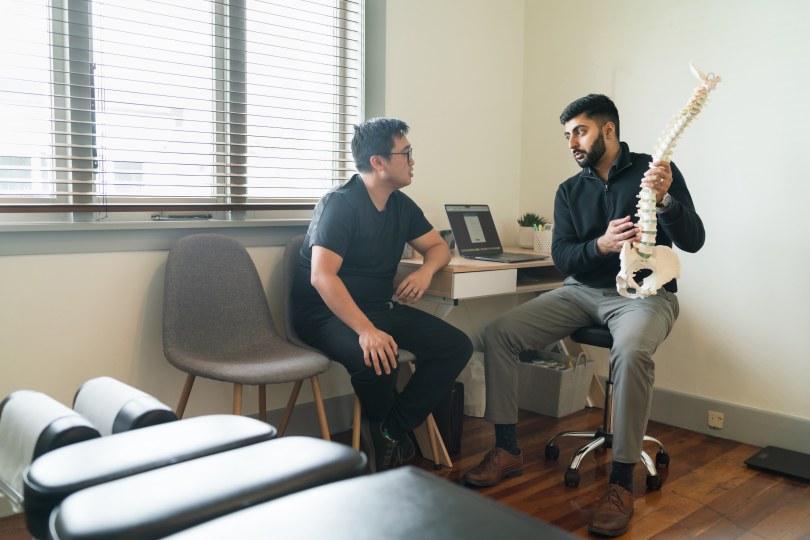
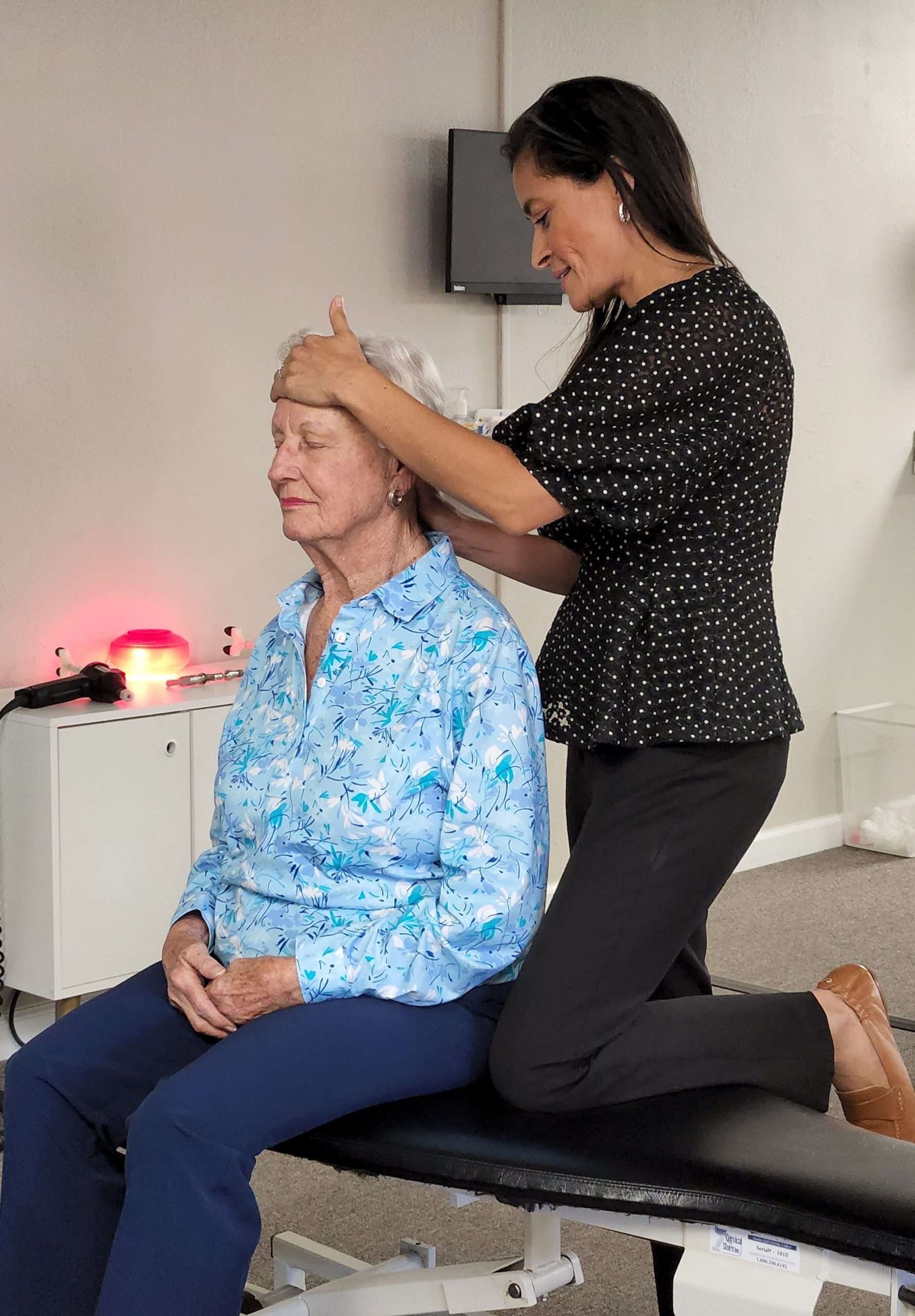
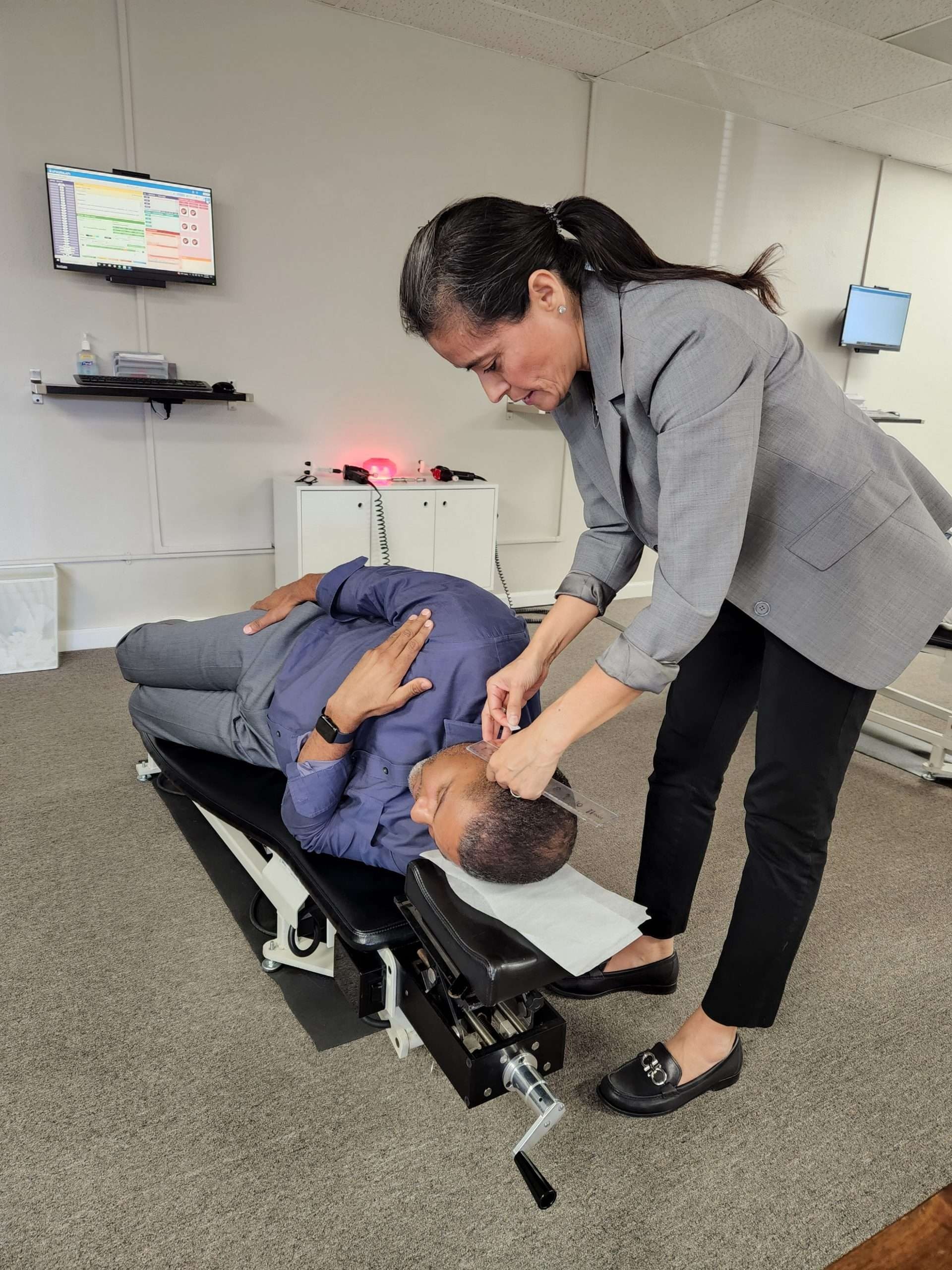


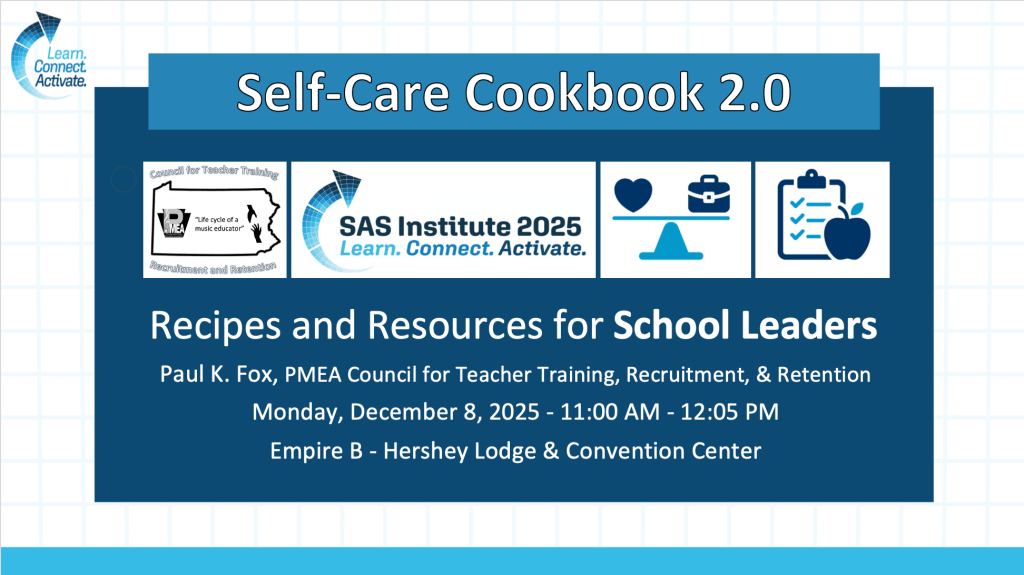
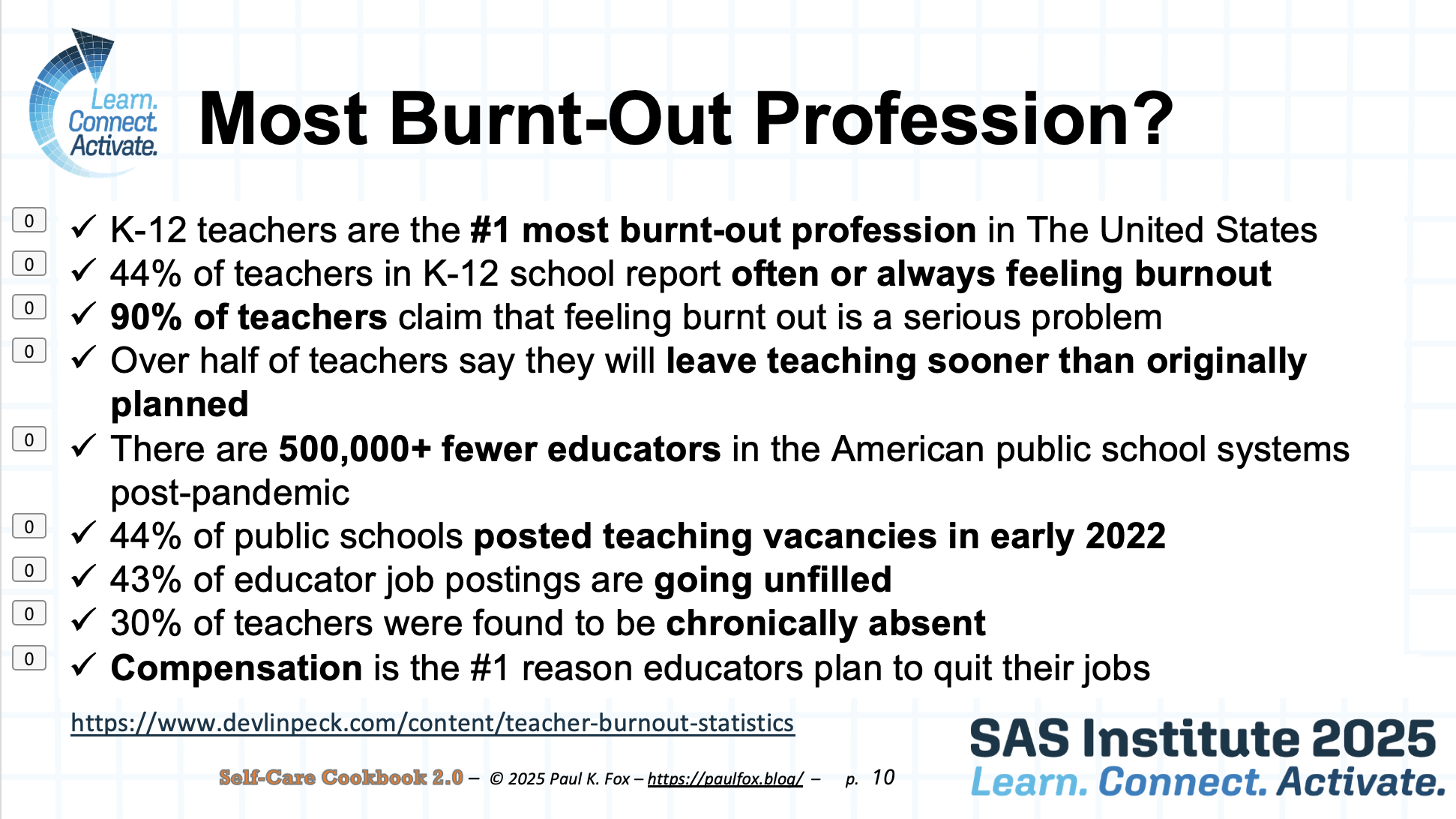
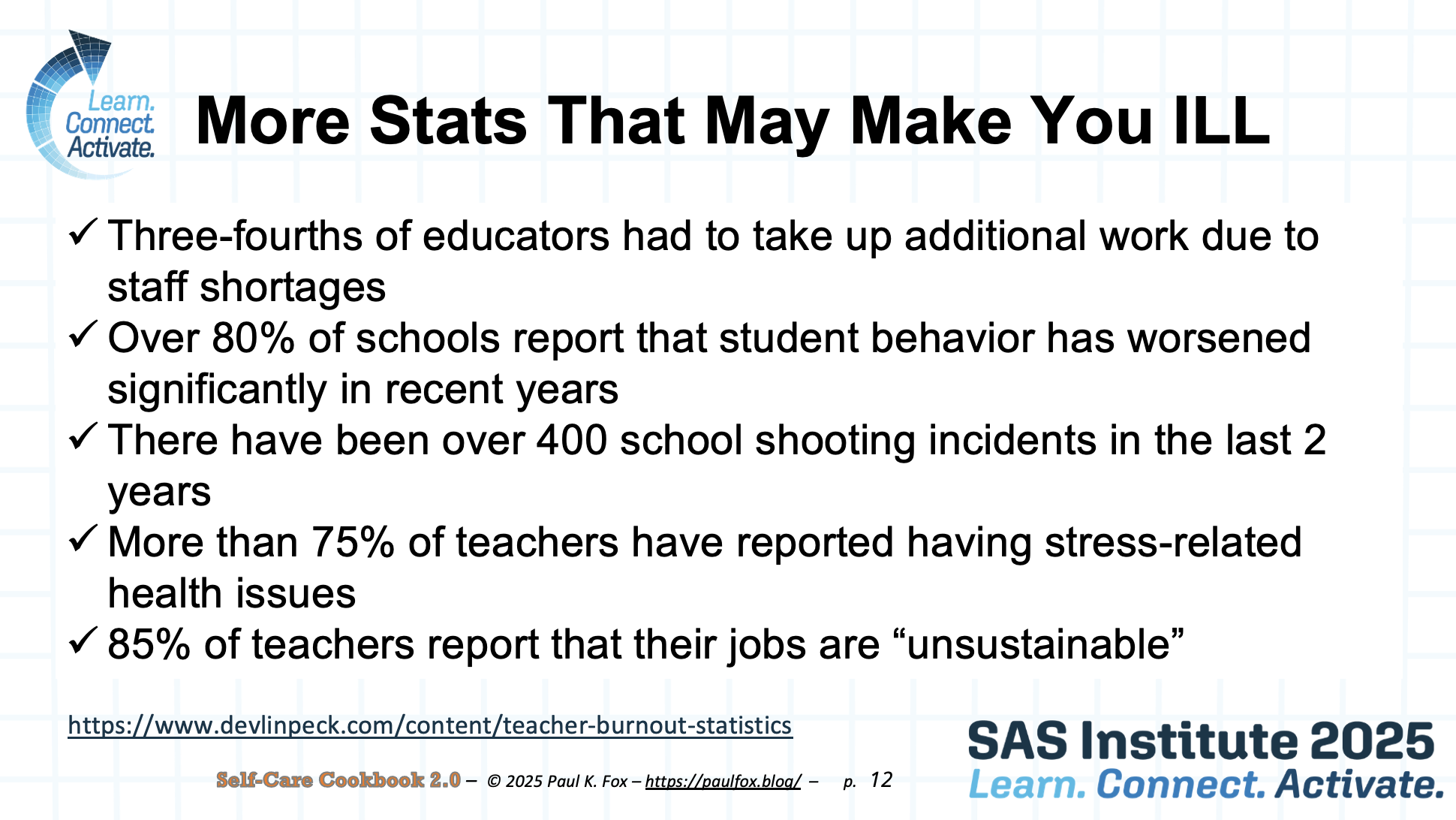

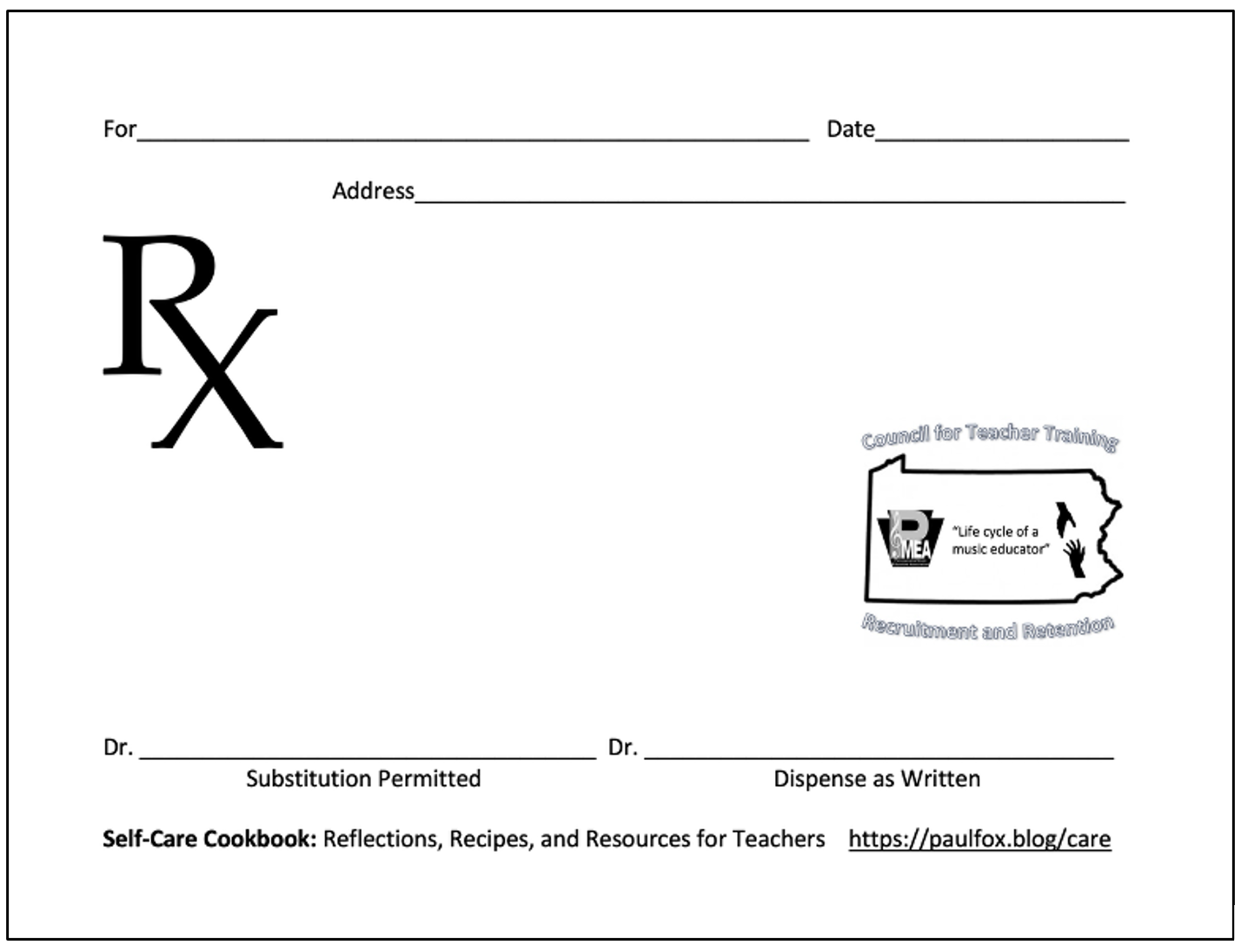
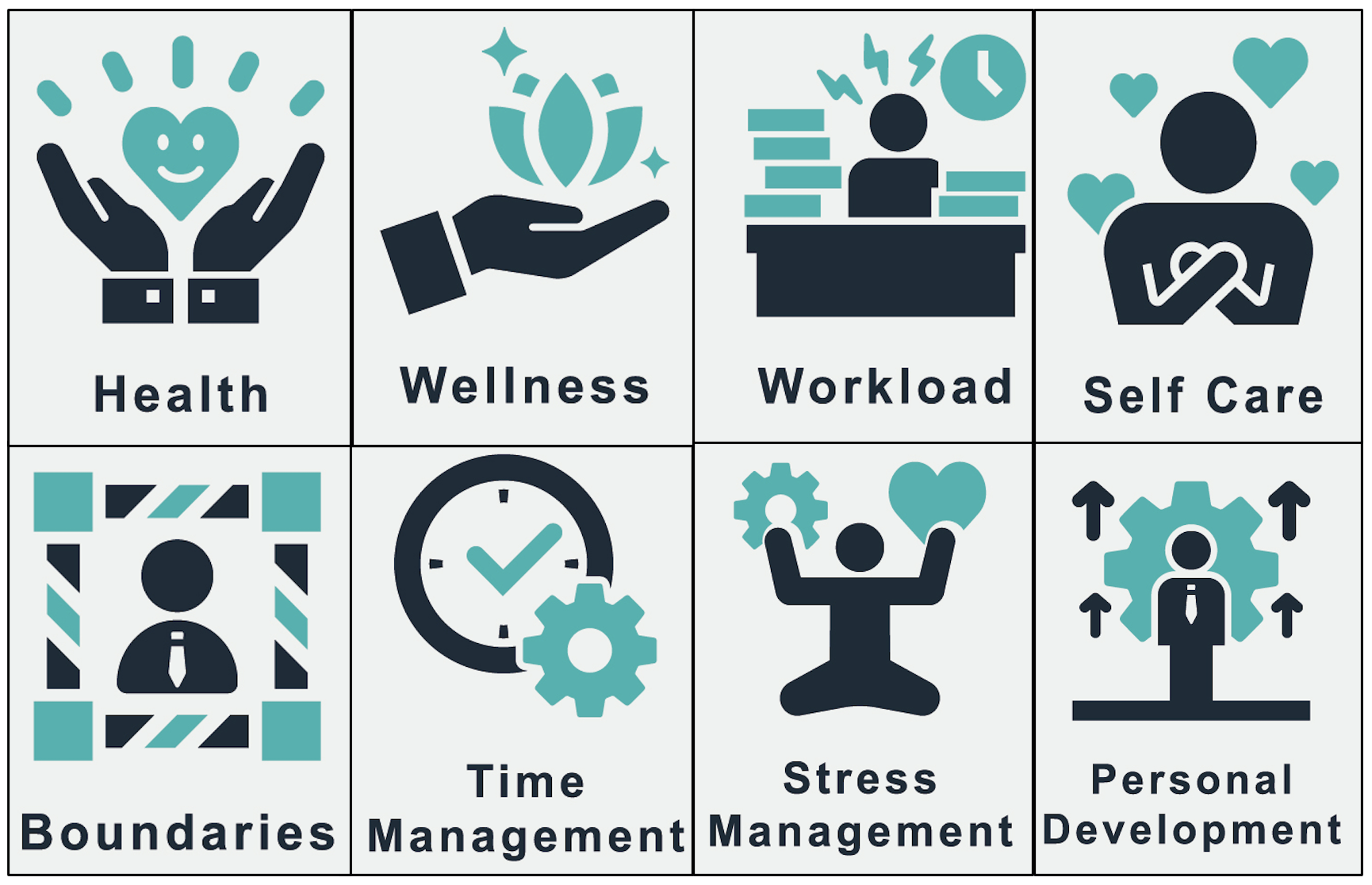



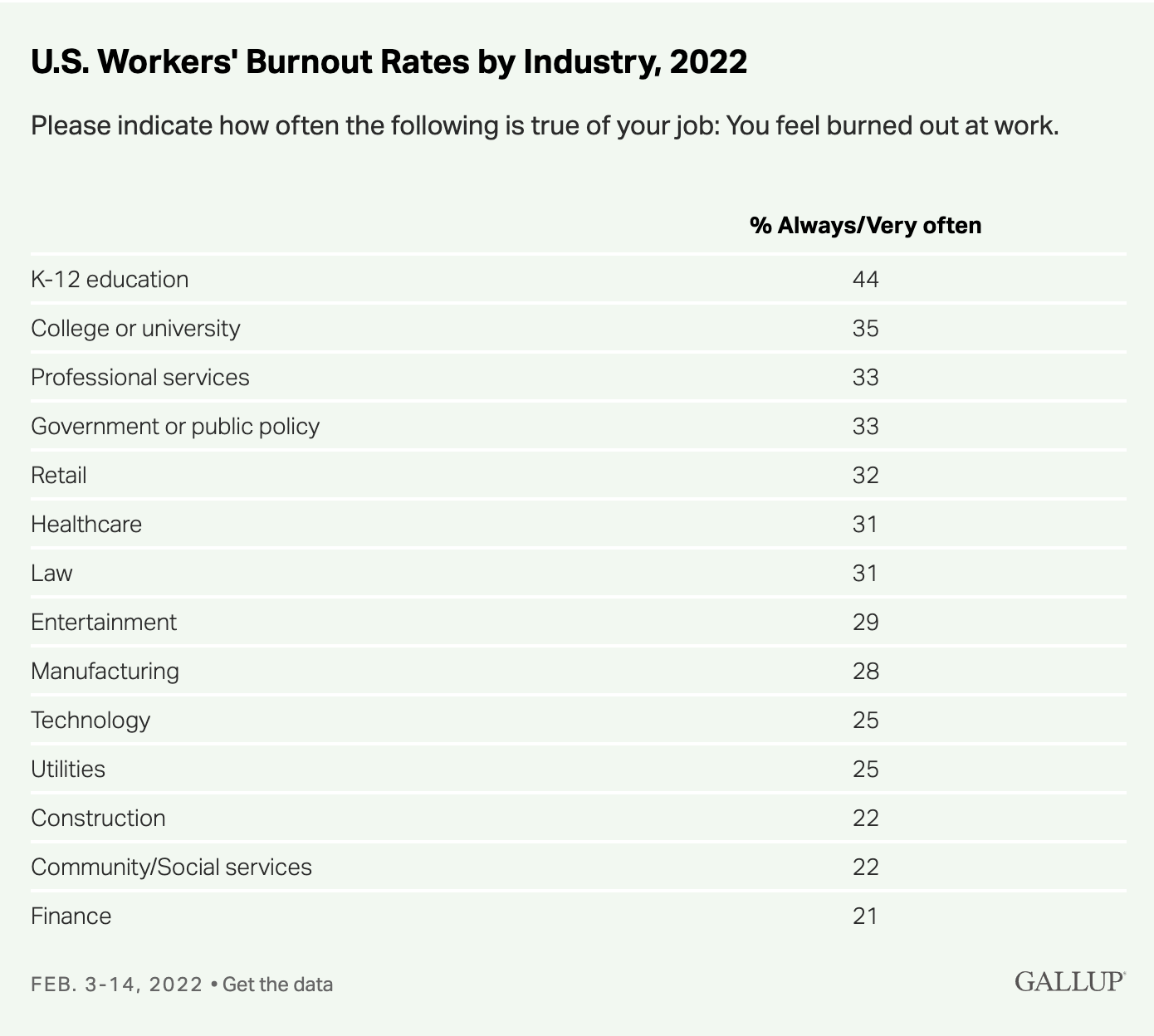




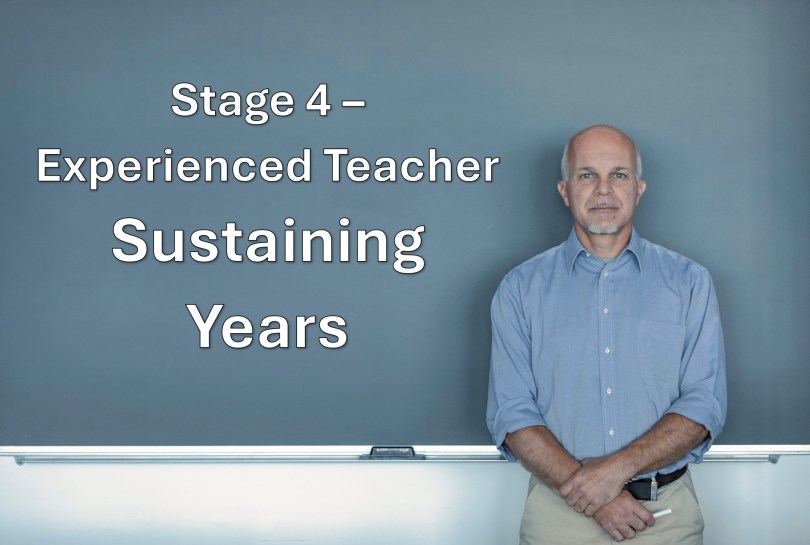



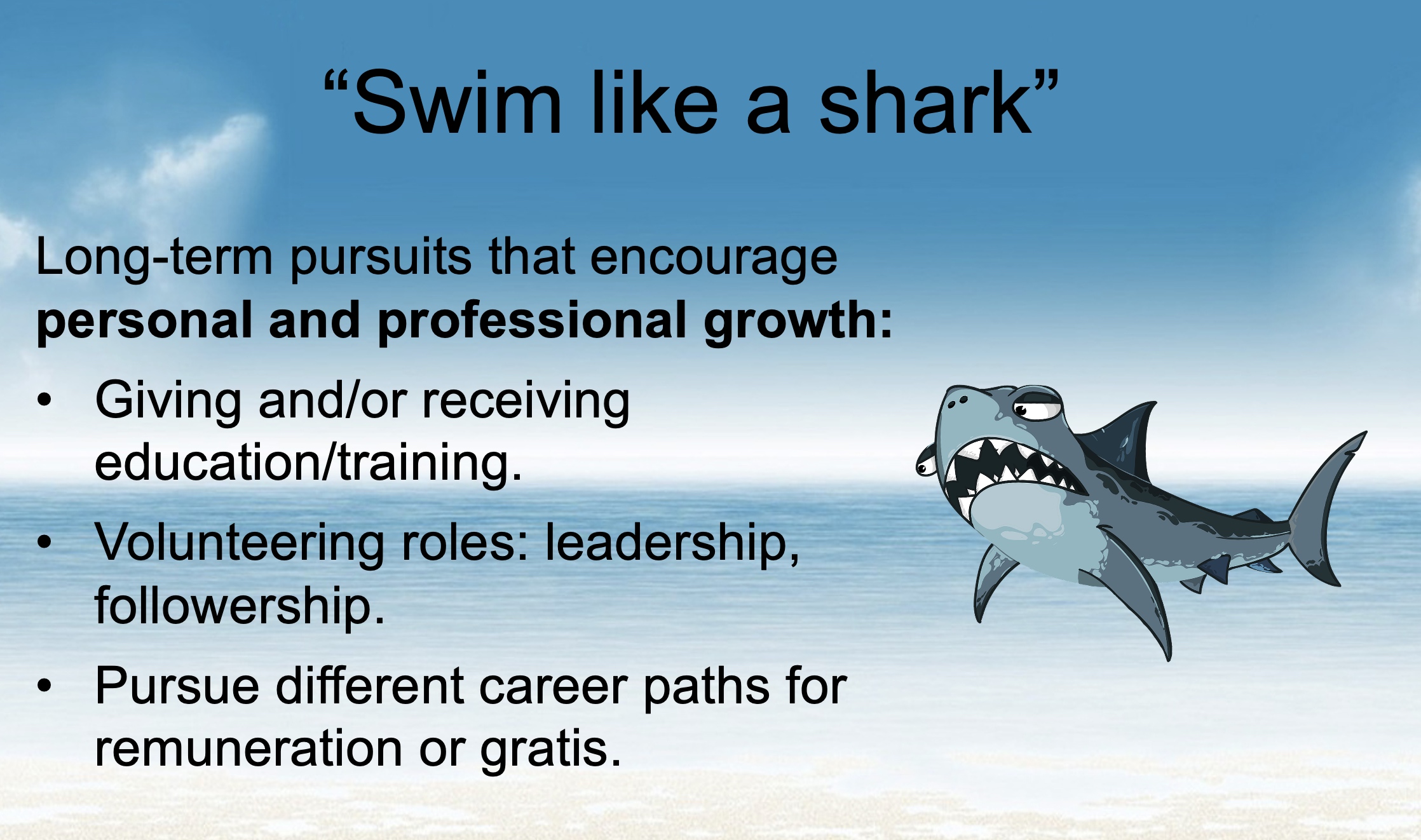

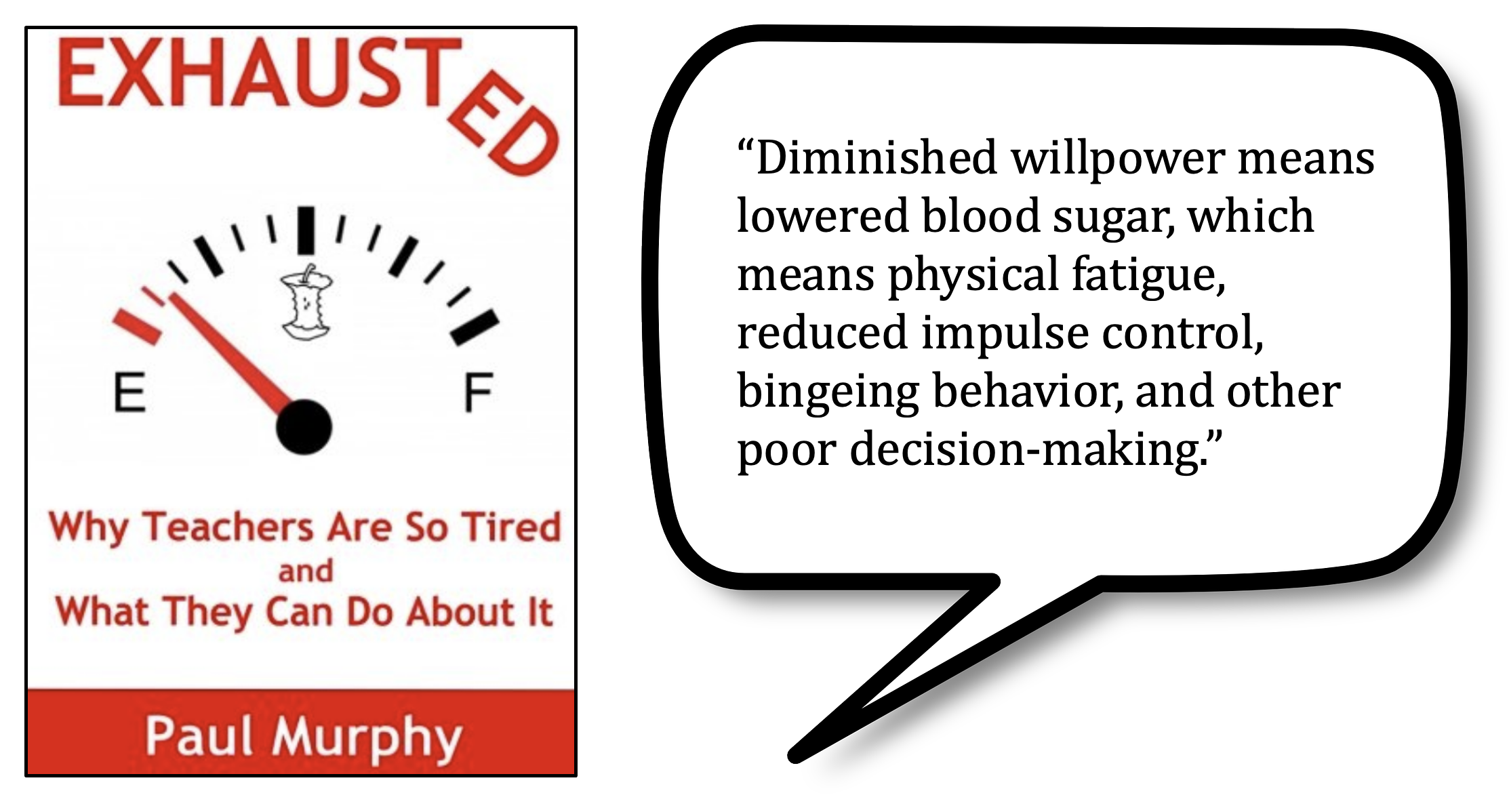
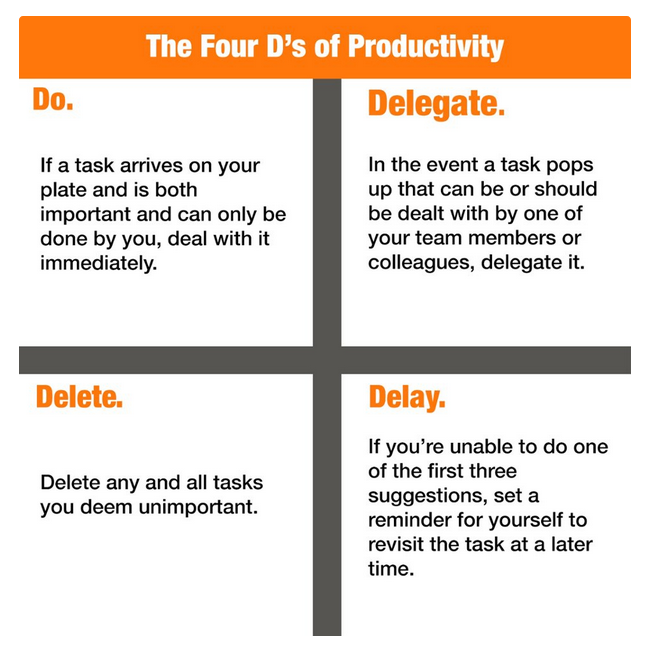
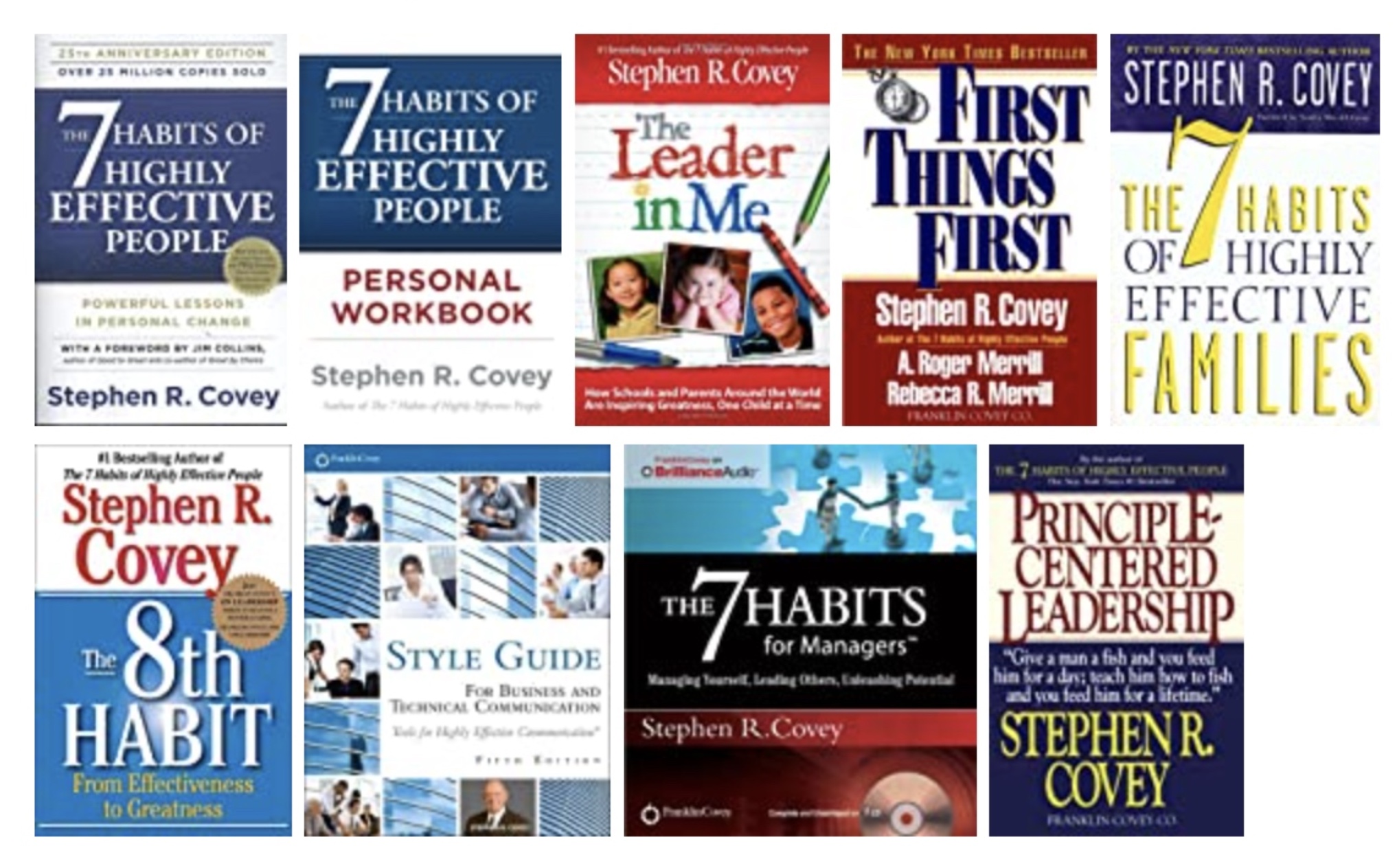




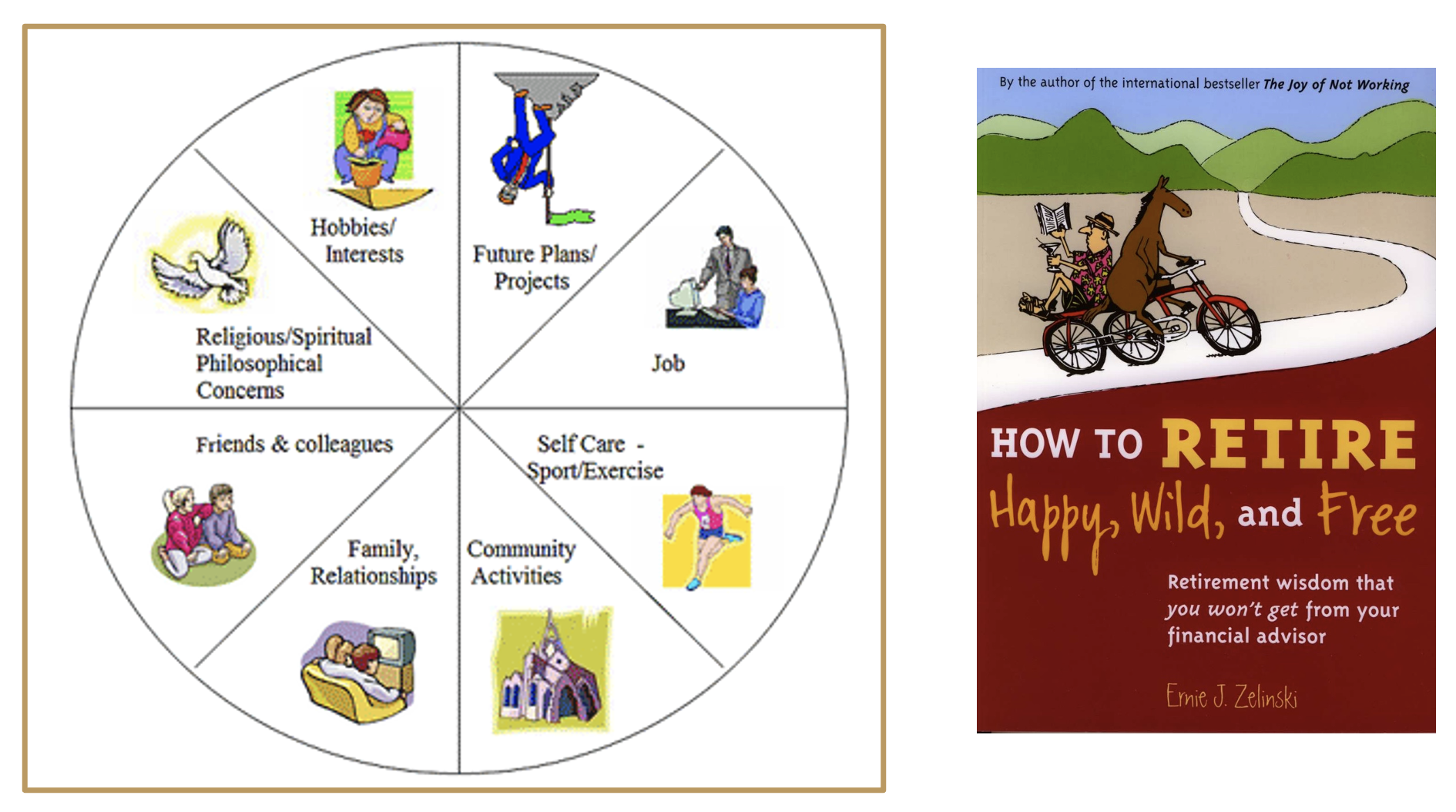
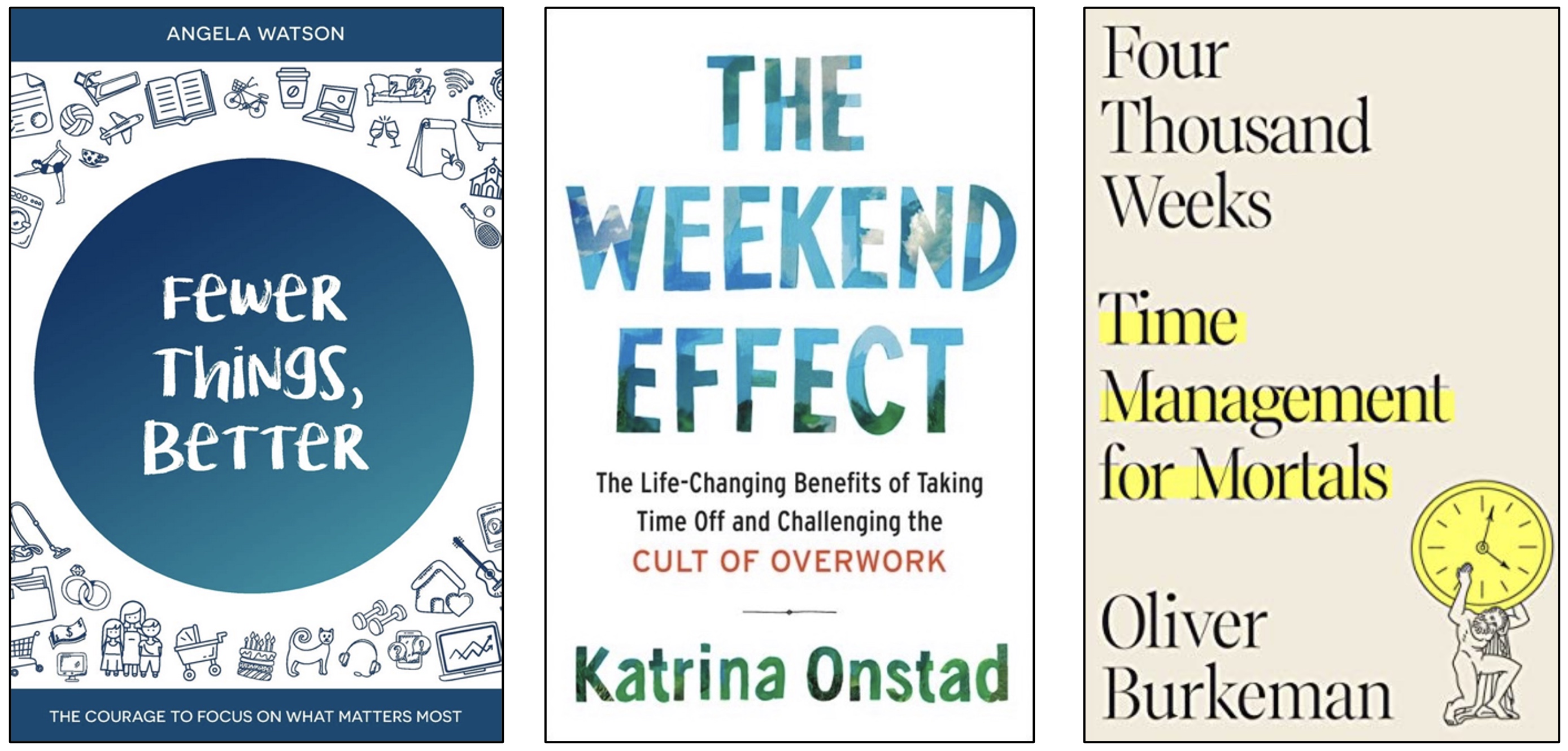
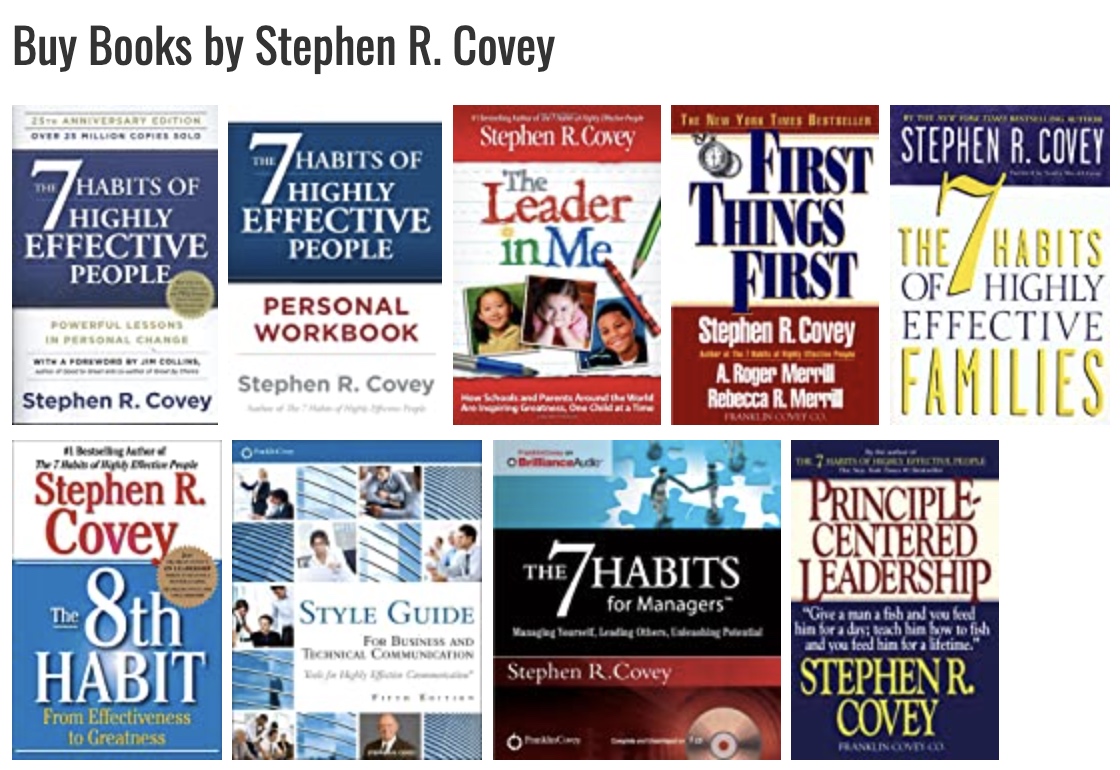















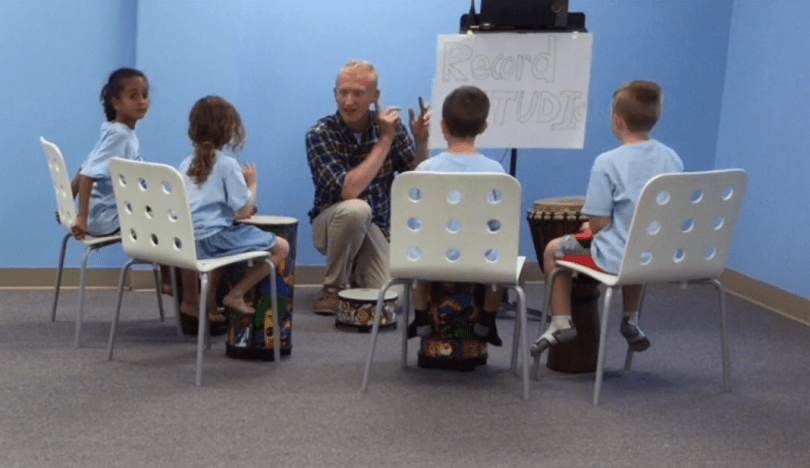
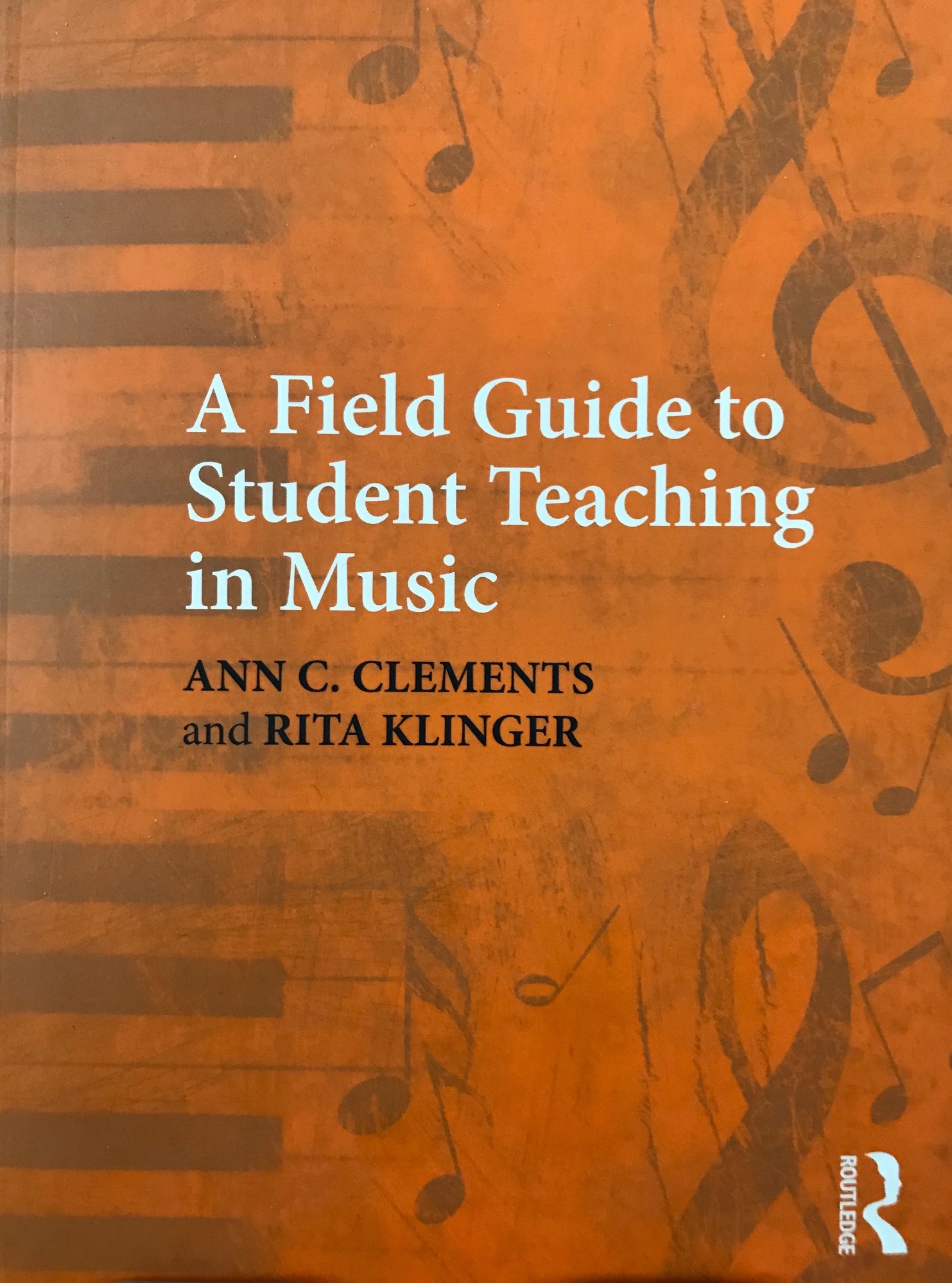 If you are not fortunate enough to own a copy of A Field Guide to Student Teaching in Music by Ann. C. Clements and Rita Klinger (which I heartily recommend you go out and buy, beg, borrow, or steal), this blog provides a practical overview of field experiences in music education, recommendations for the preparation of all music education majors, and a bibliographic summary of additional resources. Representing that most critical application of in-depth collegiate study of music education methods, conducting, score preparation, ear-training, and personal musicianship and understanding of pedagogy on voice, piano, guitar, and band and string instruments, the student teaching experience provides the culminating everyday “nuts and bolts” of effective music education practice in PreK-12 classrooms.
 cal, and social health. They demonstrate the ability to establish and achieve personal goals. They have a positive outlook on life.”

 Dress for success (professionally)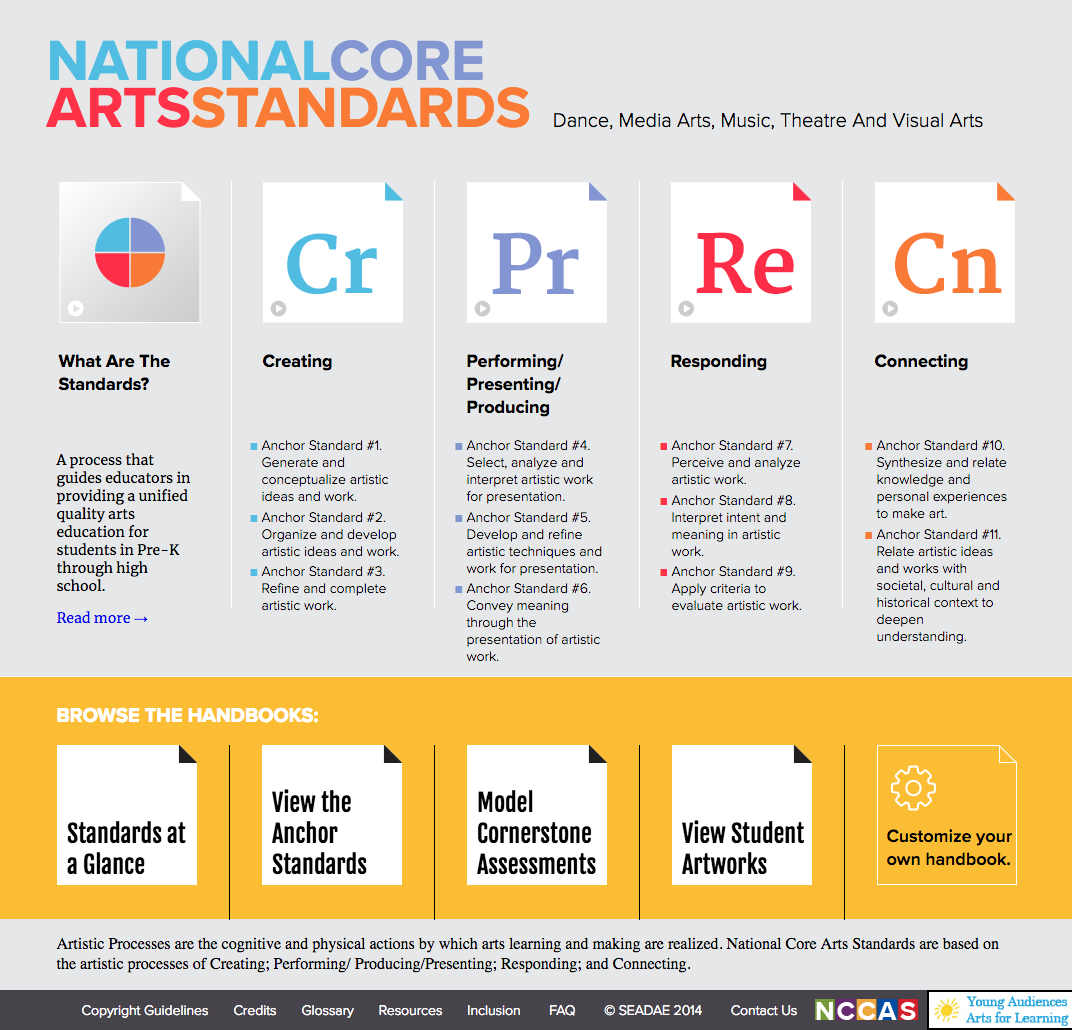
 Pennsylvania, you should be a member of PCMEA and take advantage of the research of the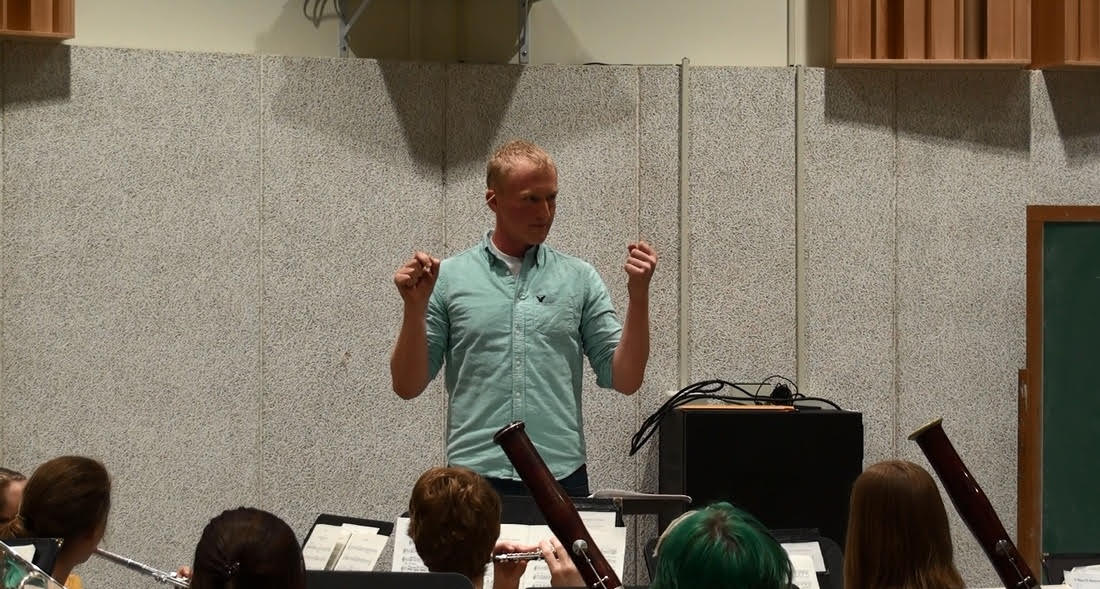
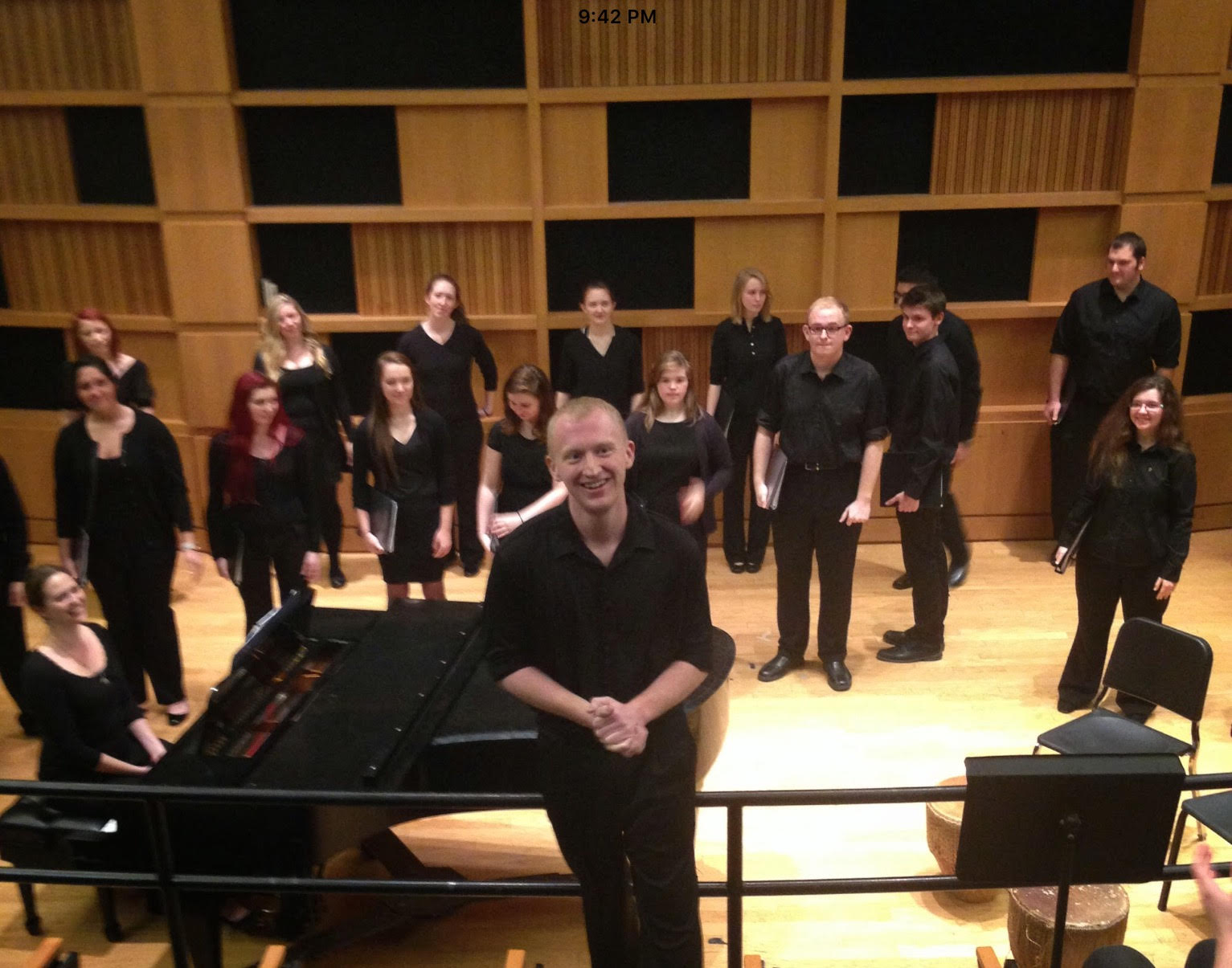

 documented to a great extent, stress, burnout, and stage fright have become real concerns for music education majors completing their coursework, juries/recitals/concerts, methods exams, student teaching, and other field experiences. This may be affecting statistics on college enrollments, graduation rates, and job placements!
 College funding
 Music Teacher Education
 Learning to “manage your burdens,” class schedules, assignments, calendar, etc.
 2009), “deep listening” as “a way of hearing in which we are fully present with what is happening in the moment” (Barbezat and Bush 2014), contemplative movement activities including methodologies of Orff, Kodaly, Dalcroze, and Gordon adapted for other music teaching contexts (Benedict, 2010), walking meditation, tai chi ch’uan, yoga, and labyrinth walking (Center for Contemplative Mind in Society, 2016), contemplative reading, writing, and other self-help practices.


 “When musicians think about performing, they eventually think about performance anxiety — ‘stage fright.’ Performance anxiety can be defined as a physical and mental deviation from a ‘normal state’ and is perhaps one of the most misunderstood areas of performance practice… A reduction in anxiety levels especially with musicians with extensive formal training may actually diminish performance quality. For musicians with low mastery skills, the prudent approach would seem to be to undertake more formal training.” — Donald L. Hamann

 Job placement

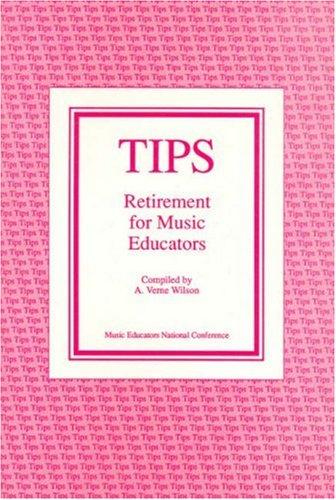 That means, according to TIPS Retirement for Music Educators by Verne A. Wilson (MENC 1989), at least three years before you leave your full-time employment:
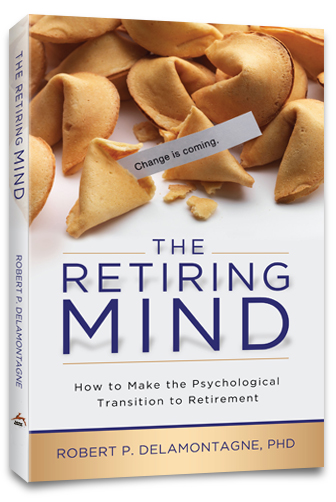 Robert Delamontagne writes in detail about using the
  Delamontagne labels the characteristics of each E-Type. After reading his book, which ones are closest to resembling you and your spouse?
 On their book jacket, Duckworth and Langworthy promote their work as “a call to action on your own behalf” to:
 Life Themes Profiler, a comprehensive assessment tool developed by David Borchard and laid out initially in Chapter 4, will help you understand and graph the retirement themes and “your intentions for the next chapter of your life.”
 Obviously, fulfilling your “bucket lists” and goals will influence the structure of your daily/weekly schedule. According to Ernie Zelinski, with or without “a job,” you need to find a “work-life balance” and devote equal time to these essential priorities:
 Dave Hughes echoes these sentiments with his “four essential ingredients for a balanced life” in the book Design Your Dream Retirement: How to Envision, Plan for, and Enjoy the Best Retirement Possible (2015):
 Do something every day that will expand your mind, stimulate your intellect, or increase your curiosity quotient.
 Although the exact number of boomers and seniors who experience sleep problems is hard to pinpoint, a national study of our aging population suggests nearly 42 percent of those surveyed have sleep difficulties. That figure is beyond an epidemic.
 Regular physical activity is a must. Quoting from a future article I plan to submit to the state journal of Pennsylvania Music Educators Association PMEA News: “The definition of ‘exercise,’ especially in order to receive cardiovascular benefits, is to raise your heart rate for 30 minutes or more. Leaving your La-Z-Boy to let the dogs out or looking for the remote does not count!”
 This final category of “pre-retirement planning” has everything to do with living with independence and security as we grow older. Many Baby Boomers just starting their retirement journey may not actually see this as “a big deal” right now. However, developing a long term “backup plan” for maintaining our health care, mobility, and comfortable living is critical. Again… we must think ahead!
 Fifty-five percent of our respondents wanted to stay in their own homes, with help as needed, as they got older and required more care. But a recent AARP survey revealed that only about half of older adults thought their homes could accommodate them “very well” as they age; twelve percent said “not well” or “not well at all.”
 paulfox.blog