
A Musician’s Guide to Staying Curious and Creative
by Ed Carter
For musicians, educators, professionals and soon-to-be retirees everywhere, guest blogger Ed Carter returns with this article on exploring new pastimes and adventures while “living the dream” during and after full-time employment. What are you planning to be (or do) when you grow up? PKF
Musicians are lifelong learners by nature. Whether you’re a touring guitarist, a bedroom producer, or a choir director, you already know that growth happens when curiosity meets practice. Learning new skills and hobbies isn’t just a way to pass the time—it’s a way to deepen musicianship, prevent burnout, and build a richer creative life. From hands-on crafts to movement and language, the right skill can feed your music in surprising ways.

The Fast Takeaway Most Musicians Need
Learning something new works best when it’s low-pressure, connected to your existing creative instincts, and practiced in short, repeatable sessions. Choose skills that train your ears, hands, body, or sense of story. Let progress be uneven. Consistency matters more than talent.

Skills That Pair Surprisingly Well With Music
Here’s a quick, varied list of skills and hobbies that musicians often enjoy—and actually benefit from:
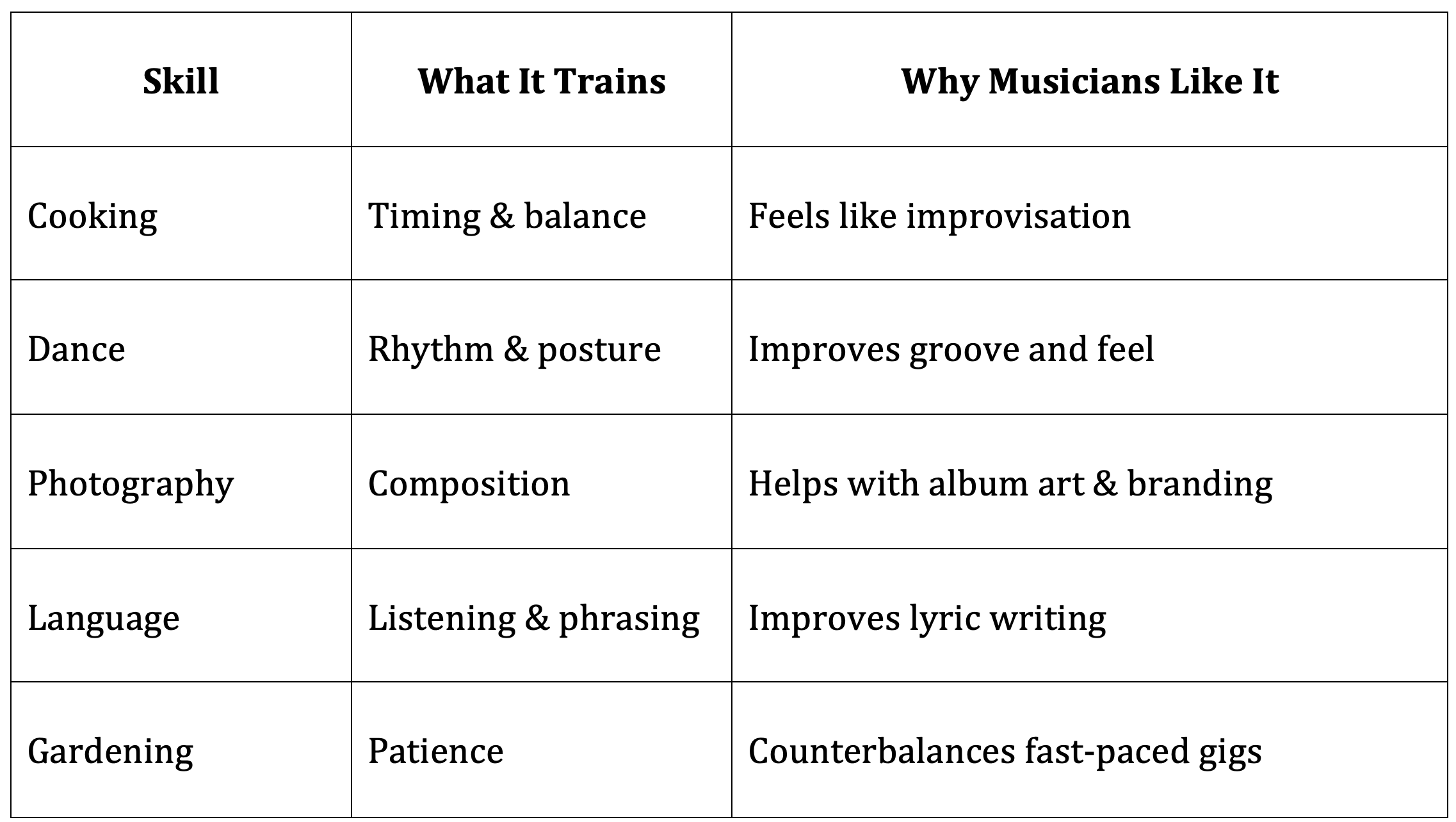
- Cooking: Teaches timing, improvisation, and sensory awareness
- Gardening: Builds patience, seasonal thinking, and long-term care
- Photography: Sharpens composition, contrast, and mood
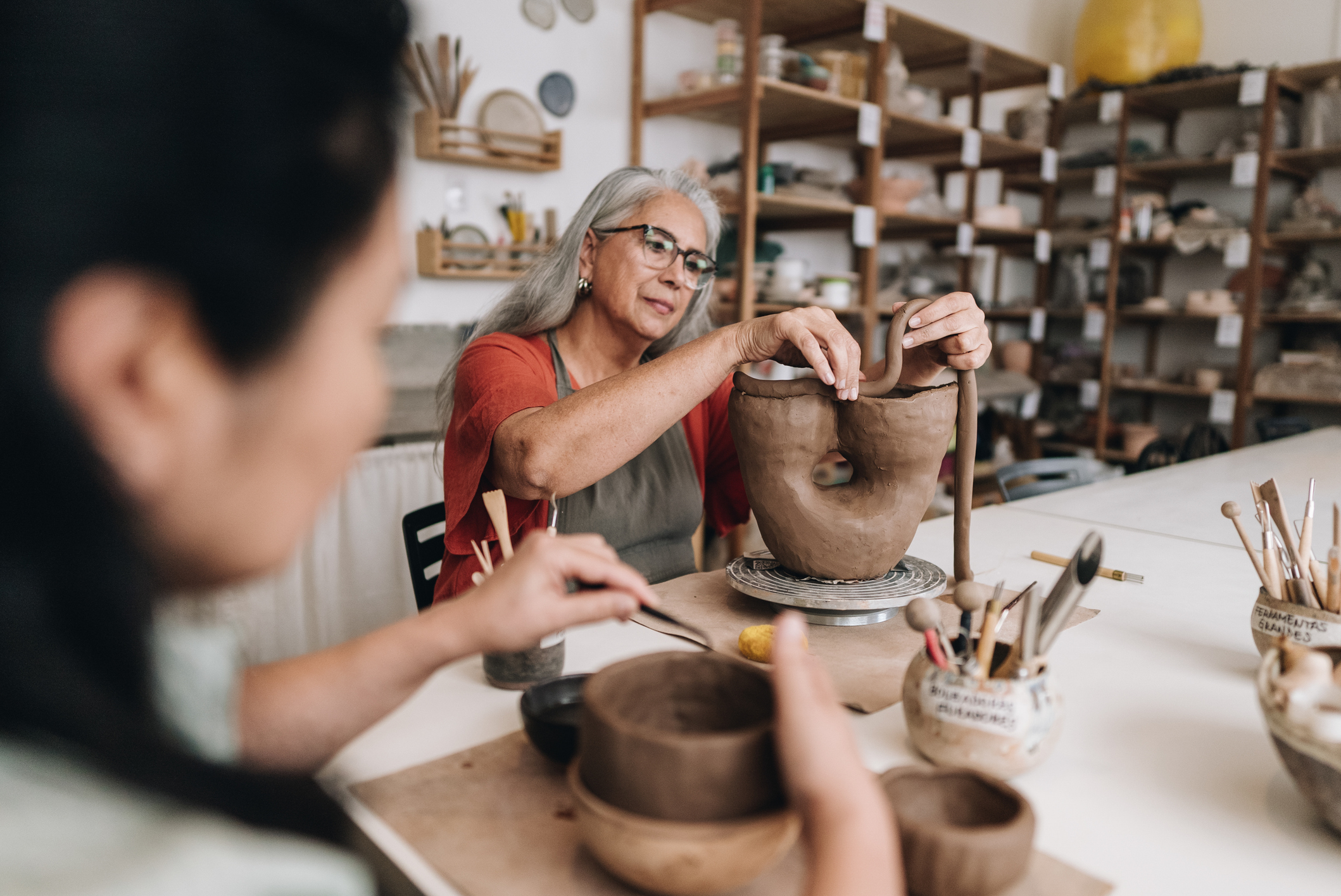
- Sewing or basic clothing repair: Encourages precision and rhythm
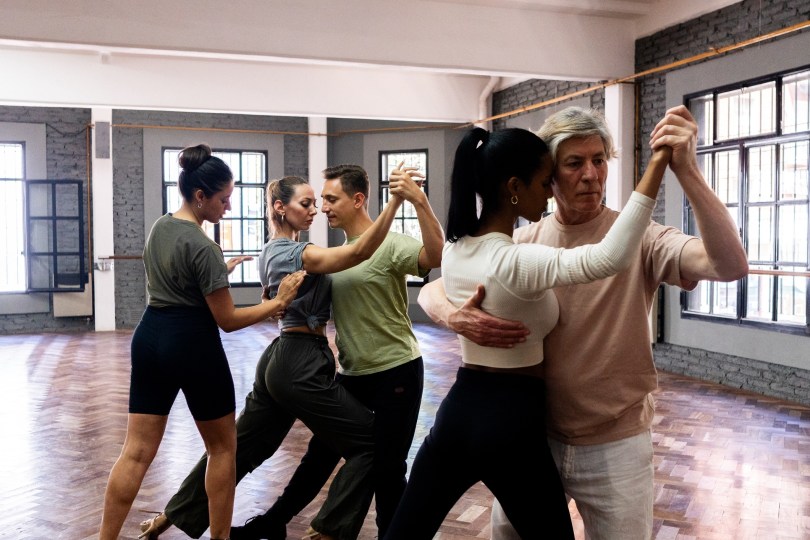
- Dancing: Improves mood, posture, and body awareness
- Visual art (drawing, painting, collage): Expands emotional expression
- Learning a new language: Trains listening, phrasing, and memory
- Playing a second (or third) instrument: Resets beginner’s mind
Each of these taps into skills musicians already use—just in a different form.
A Simple How-To for Learning Any New Skill
Use this checklist-style approach to avoid overwhelm and keep momentum:
- Start smaller than you think
Commit to 10–15 minutes a few times a week. That’s enough to build a habit. - Choose tools, not perfection
One good knife, one sketchbook, one dance class, one app. Avoid overbuying. - Practice in public (a little)
Share a photo, cook for a friend, attend a beginner class. Light accountability helps. - Connect it back to music
Ask: How does this change how I listen, move, or think creatively? - Let yourself be bad
Beginners progress faster when they’re not trying to impress anyone.
Learning Skills Side-by-Side: A Comparison

When a Hobby Turns Into a Calling
Sometimes a skill stops being “just for fun.” You fall in love with it, invest more time, and start wondering if it could become part of your career. Many musicians eventually return to school to formalize a passion—whether that’s audio engineering, education, therapy, or technology. Finding a program that supports your interests matters; for example, if you want to build skills in IT, programming, and computer science theory, earning a computer science degree can open doors, and this may be a good option. Online programs can be especially helpful for busy musicians, allowing you to study around rehearsals, gigs, and tours.

A Resource Worth Exploring
If you’re curious about picking up creative skills at your own pace, Skillshare offers beginner-friendly classes in photography, illustration, writing, productivity, and more. Many courses are short, project-based, and taught by working creatives.
Frequently Asked Questions
Do I need to be “talented” to start a new hobby?
No. Skill comes from repetition, not personality traits.
How many hobbies is too many?
If you feel scattered or stressed, scale back. One or two at a time is plenty.
Will learning non-musical skills really help my music?
Often, yes. Cross-training creativity keeps your musical thinking flexible.
What if I quit?
Quitting is data. You learned what didn’t fit—and that still counts.

Final Thoughts
Learning new skills and hobbies keeps musicians adaptable, curious, and creatively healthy. You don’t need a master plan—just a willingness to start small and stay open. Some skills will quietly support your music; others may change your direction entirely. Either way, the act of learning itself keeps you in tune with growth.
© 2026 by Ed Carter and Paul Fox
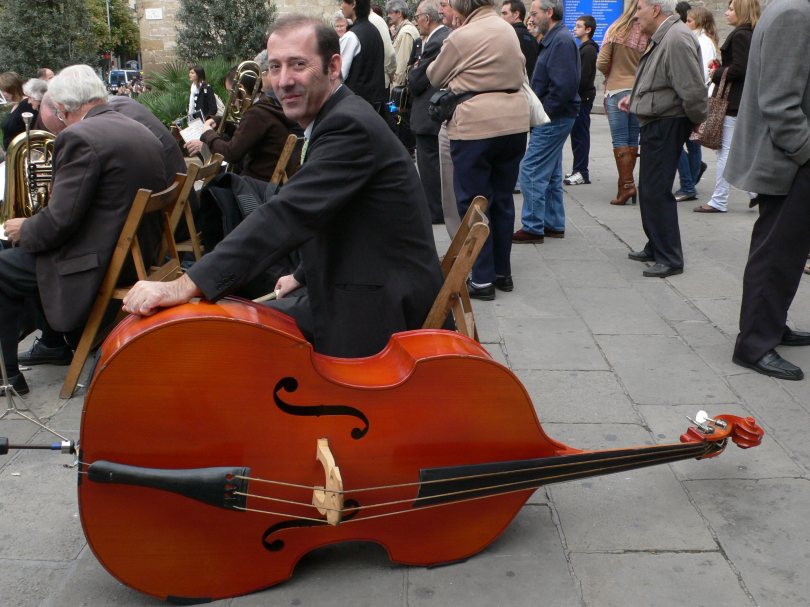
 Do music teachers ever retire? Not really!

 Practice and go out on a few gigs with your own jazz, rock, Barbershop, or chamber music group
 education? Of course, the best part of retirement is that you get to pick what you want to do every day for the rest of your life. So go ahead and say yes to those extra conducting gigs, writing/publishing your own “Mr. Holland’s Opus,” working with the church or community choir, accompanying a handful recitals, volunteering to help your favorite local marching band or civic theater, serving as an adjudicator for a music festival, supervising student teachers or teaching college music education methods classes, etc.
 As long as I am alive, I will continue to inspire in others that music makes a difference!
 paulfox.blog