

Summer is the Time to Catch-up on Your Reading!
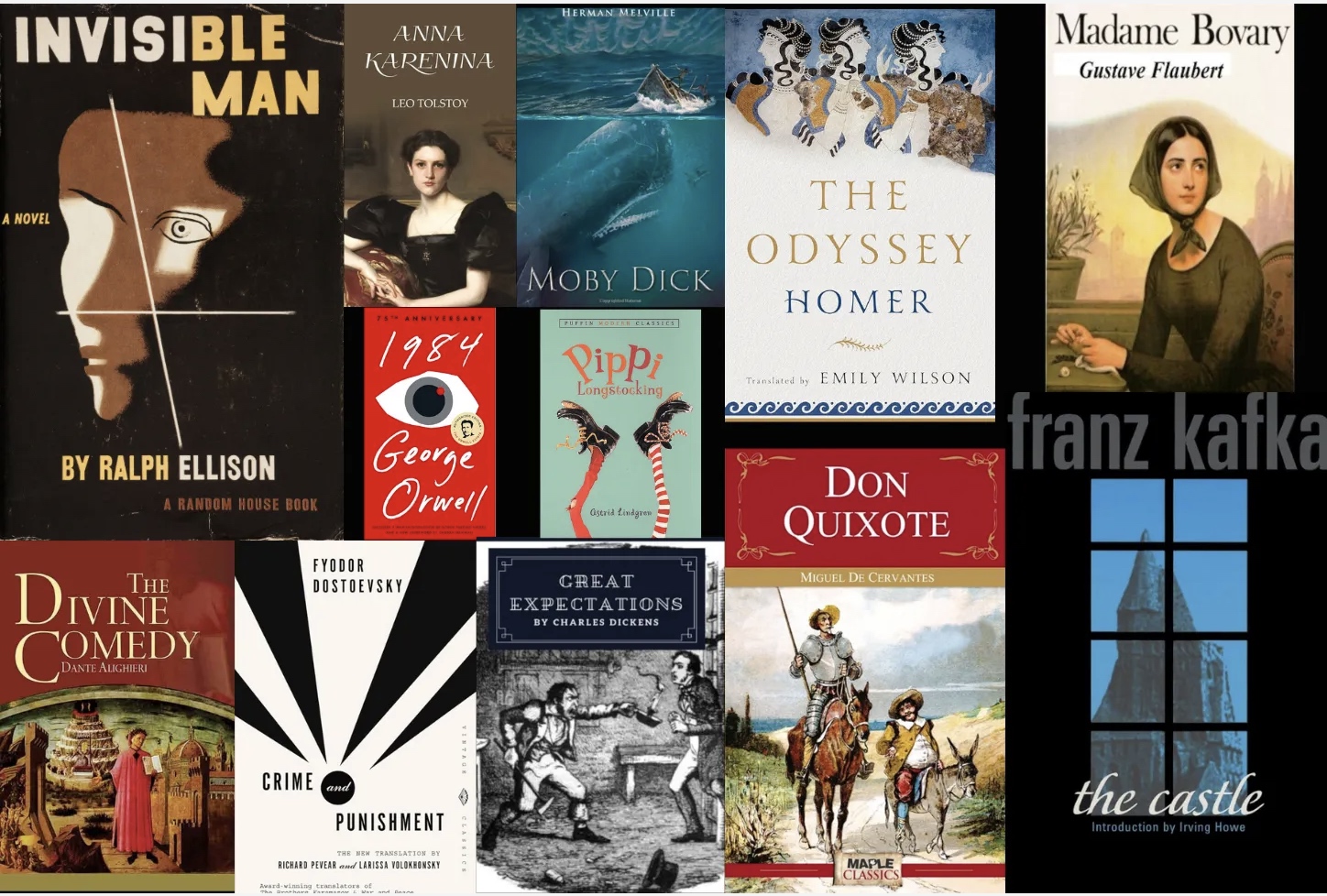
The character “Robert McCall” (played by Denzel Washington) in the vigilante action-thriller film series The Equalizer (directed by Antoine Fuqua) mentioned that his late wife was working through “The 100 Books Everybody Should Read” when she died, so he decided to carry on the tradition. It is not clear the exact list he was referring to, but we found a blog by Gillian that settled on Goodreads 100 Books from The Equalizer, for which a checklist is provided by https://uncomplicatedspaces.substack.com/p/100-books-everyone-should-read-pdf.
How many of these can you claim to have read?
Personally, I go through stages… seeking new releases, exploring best-sellers, perusing used or discounted book stores and thrift shops, and revisiting past favorites in my library.

Recently, I have “relaunched a personal voyage” to consume the entire series in sequence of the memorable adventures of classic historical fiction from the Napoleonic Wars, featuring Captains Horatio Hornblower (by C.S. Forester), Richard Bolitho and his nephew Adam Pascoe Boltho (by Alexander Kent, pseudonym of Douglas Reeman), and Lord Nicholas Ramage (by Dudley Pope). You should “cruise” samples of all of these!
If you are a history buff, please enjoy each edition slowly, reveling in the authors’ craftsmanship and immersing yourself in the language, settings, culture, customs, and what life must have been like during that period (~1800-1850) of intense conflicts between France (led by Napoleon Bonaparte) and England (most notably, paralleling the real-life of British naval hero, Horatio Nelson) and the coalition of European powers following the French Revolutionary Wars. A previously blog (here) related the relevance of Hornblower and learning leadership principles. However, I am especially amazed at the depth and breadth (similar style and content) of the Alexander Kent collection. But, better schedule a lot of uninterrupted quiet time on vacation or at the pool, deck, patio, or beach! It will take you awhile to read all 30 of the Kent books (list below provided in order by www.addall.com):
- Midshipman Bolitho (1975)
- Midshipman Bolitho and the Avenger (1976)
- Band of Brothers (2005)
- Stand Into Danger (1976)
- In Gallant Company (1977)
- Sloop of War (1972)
- To Glory We Steer (1968)
- Command a King’s Ship (1973)
- Passage to Mutiny (1976)
- With All Despatch (1988)
- Form Line of Battle (1969)
- Enemy in Sight (1970)
- The Flag Captain (1971)
- Signal, Close Action! (1974)
- The Inshore Squadron (1978)
- A Tradition of Victory (1981)
- Success to the Brave (1983)
- Colours Aloft! (1986)
- Honour This Day (1987)
- The Only Victor (1990)
- Beyond the Reef (1992)
- The Darkening Sea (1993)
- For My Country’s Freedom (1995)
- Cross of St. George (1996)
- Sword of Honour (1998)
- Second to None (1999)
- Relentless Pursuit (2001)
- Man of War (2003)
- Heart of Oak (2007)
- In the King’s Name (2011)
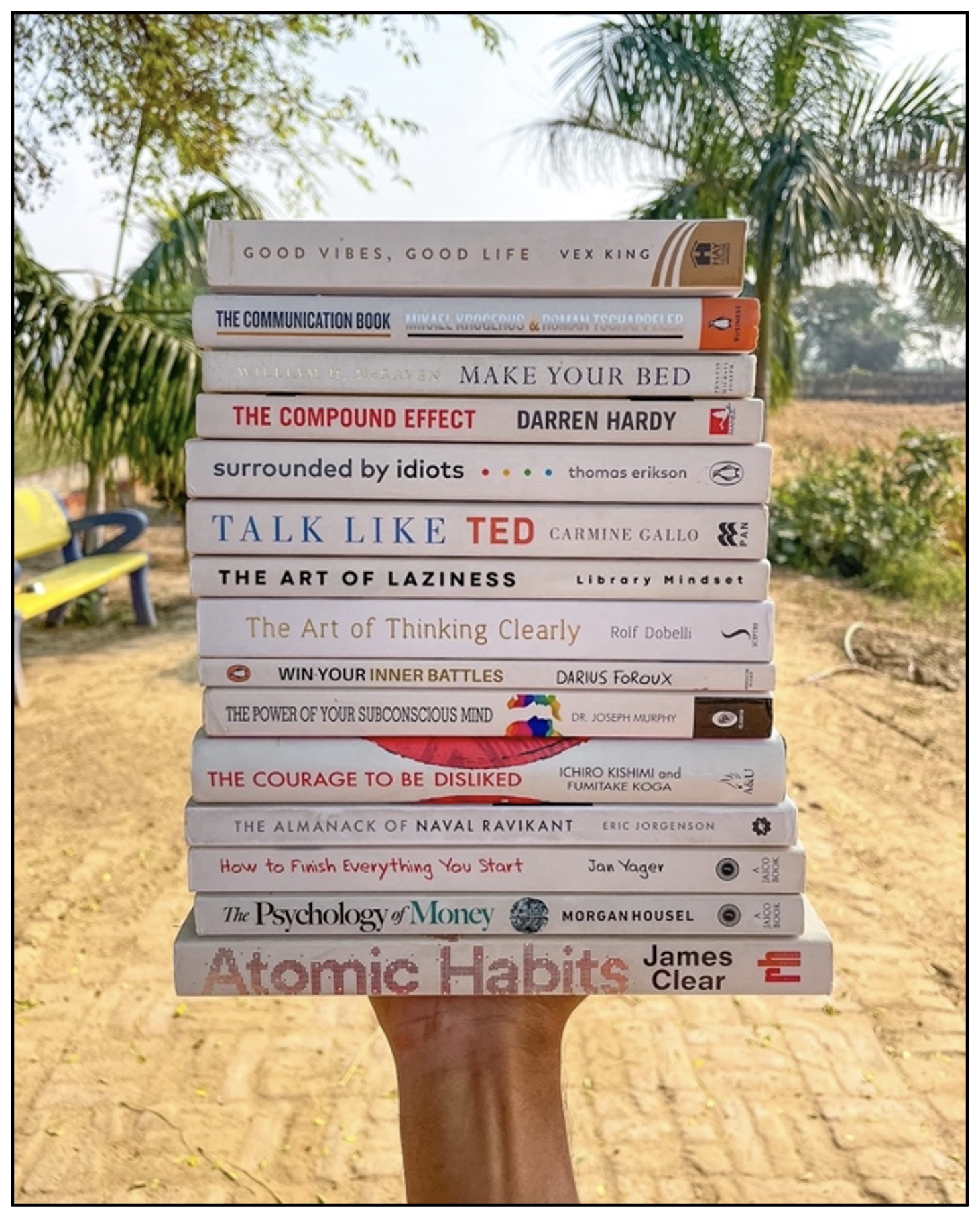
Yes, we should be turning our attention to nonfiction books, too. According to financial guru and famous talk-show host Dave Ramsey, all of us should have a nonfiction book or two on our bed stand.
Want to be a millionaire? Turn off your television. The average millionaire reads a nonfiction book a month. This is how you make your life better: having knowledge tomorrow that you didn’t have today, and then applying it. – Ramsey on Facebook
Dave’s list of books starts off with one of his own: The Total Money Makeover. He also recommends The 7 Habits of Highly Effective People by Stephen Covey, Think and Grow Rich by Napoleon Hill, Good to Great by James C. Collins, The Richest Man in Babylon by George Samuel Clason, Who Moved My Cheese by Spencer Johnson, The E-Myth Revisited by Michael E. Gerber, and How to Win Friends and Influence People by Dale Carnegie.
On a slow day pushing wheelchairs at the local hospital in the Western PA suburbs where I live, my fellow volunteers (Jerry, Rod, and Douglas) and I, all true “bibliophiles” and retirees, brainstormed what were our most inspiring reads. Their list is more spiritual, faith-based, or metaphysical than most:
- Book of Joy by Dalai Lama and Archbishop Desmond Tutu
- Conversations with God by Neale Donald Walsch
- Jesus CEO by Laurie Beth Jones
- Many Lives, Many Masters by Dr. Brian L. Weiss
- Mutant Message Down Under by Marlo Morgan
- Return to Laugher by Elenore Smith Bowen
- Tying Rocks to Clouds by William Elliott
- When Bad Christians Happen to Good People by Dave Burchett
Now to the “how-to section,” especially focusing on the quest for “living the dream” in our senior years.
Some of the best books about retirement are really about living life well. It’s been said that a reader lives a thousand lives before he dies. So, if words on a page can introduce us to what it’s like to live in another century or a faraway land, then why not introduce us to life in retirement, too?

Want something new and refreshing for those of us who are already retired or will soon retire? I found this November 2024 Kiplinger post offering “Five Books About Retirement to Prepare You for Your Golden Years” by Jacob Schroeder: https://www.kiplinger.com/retirement/books-about-retirement-prepare-you-for-golden-years
- Die with Zero: Getting All You Can from Your Money and Your Life by Bill Perkins
- My Brilliant Friend by Elena Ferrante
- From Strength to Strength: Finding Success, Happiness and Deep Purpose in the Second Half of Life by Arthur Brooks
- The Midnight Library by Matt Haig
- The Year of Magical Thinking by Joan Didion
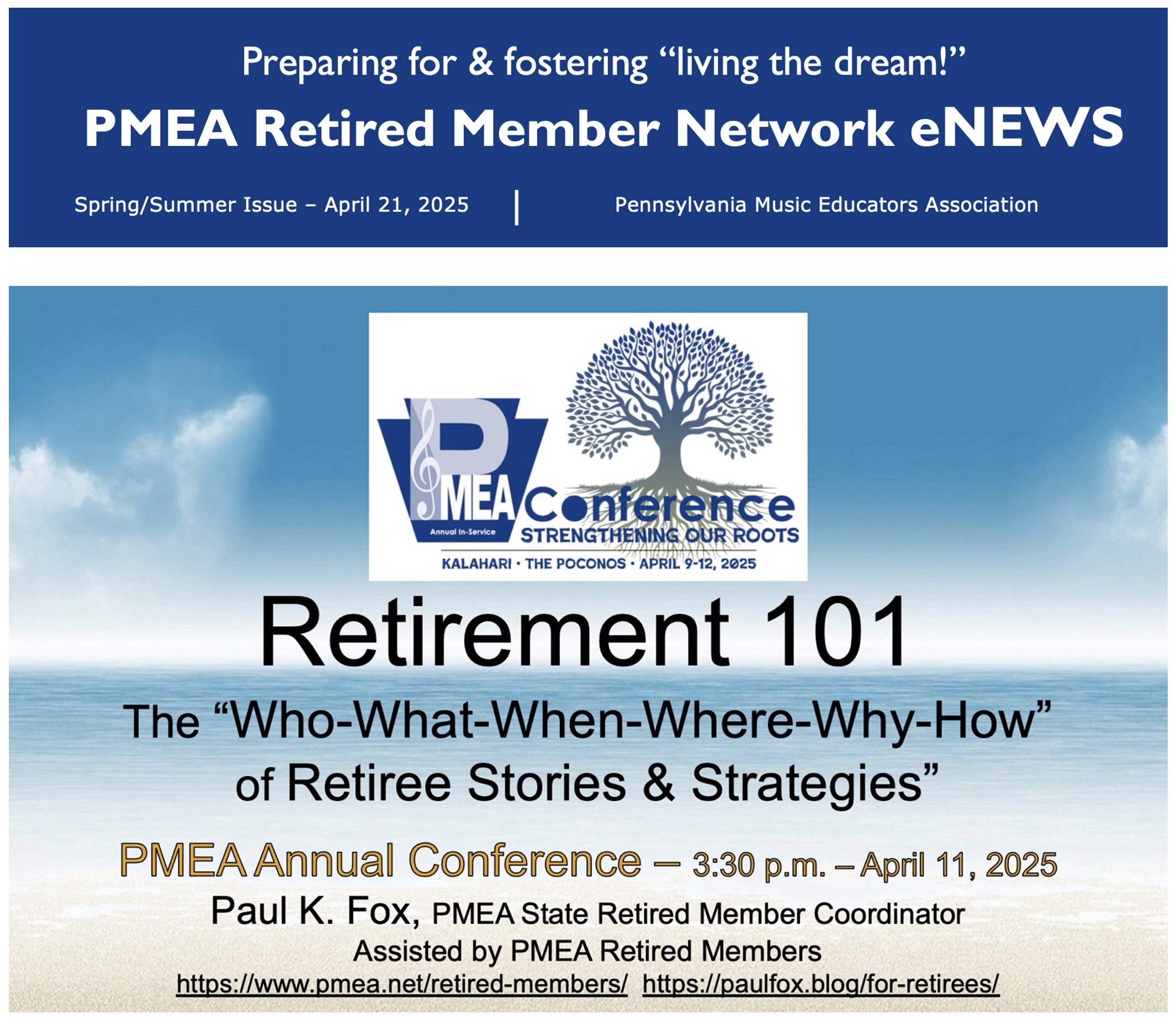
As PMEA State Retired Member Coordinator and editor of Retired Member Network eNEWS, I “float” many images of recommended retirement books to my PA music educator colleagues. If you did not attend the Retirement 101 session at the recent PMEA Annual Conference at Kalahari Resort in the Poconos, take a peek at my annual session’s PDF handout: https://www.pmea.net/wp-content/uploads/2025/04/Retirement-101-PMEA-conference-revised-s041125.pdf.

I am presenting this workshop at the Upper St. Clair Library on July 10, 2025 at 6:30 p.m. in the Multi-Purpose Room. To my local (Western PA) friends: Come see it for yourself!
Finally, if you are looking for additional resources on how to prepare for that major life passage of transitioning to retirement, many books and websites suggested by numerous expert “silver-haired” colleagues who have already “Cross the Rubicon,” all you need do is visit the Retired Member focus area on the PMEA website. (This is a benefit of PMEA membership and why everyone should continue participating in their professional association even after a complete retirement!) For a sneak preview, click on these links:
- Ultimate Retiree Resource Guide: https://docs.google.com/document/d/1Rz9tTHD0pXWeUBJJjgosrWit3O2fEw2G_dYTsTWjmCE/edit?usp=sharing
- Prepping for Post-Employment:
https://www.pmea.net/wp-content/uploads/2019/10/Retire-Prep-Revised-102219.pdf - PMEA How-to-Retire Guide:
https://www.youtube.com/watch?v=LluJ_0ctC4o - Retired Member Network eNEWS Book Index: https://docs.google.com/document/d/1bGkx4rqDE2m3JunmMaiLp2pThkSTWS1xWoiKIk3_qWA/edit?usp=sharing
Best wishes to you and yours. Feel free to comment on this post (top right link near title), or even refer us to other sites of book lists and retirement prep resources.
PKF

© 2025 Paul K. Fox


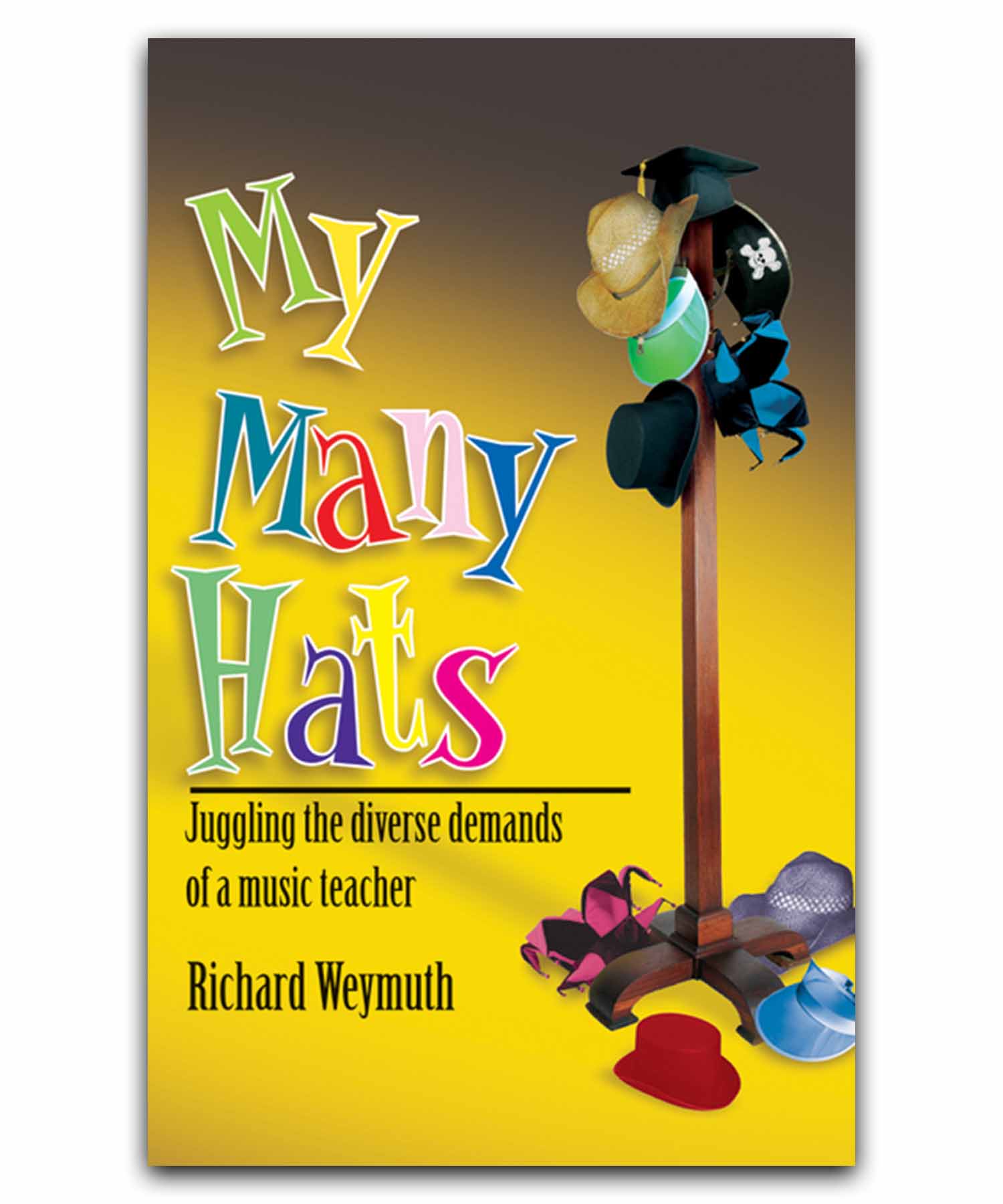 In the category of “things I wishes someone would have told me before I was hired to be a school music educator,” the inspirational book, My Many Hats: Juggling the Diverse Demands of a Music Teacher by Richard Weymuth, is a recommended “first stop” and easy “quick-read.” Published by Heritage Music Press (2005), the 130-page paperback serves as an excellent summary of the attributes (or “hats”) of a “master music teacher.” Based on the photos in his work (great “props”), I would have loved to have seen Weymuth’s conference presentations in person as he donned each hat symbolizing the necessary skill-set for a successful educator.
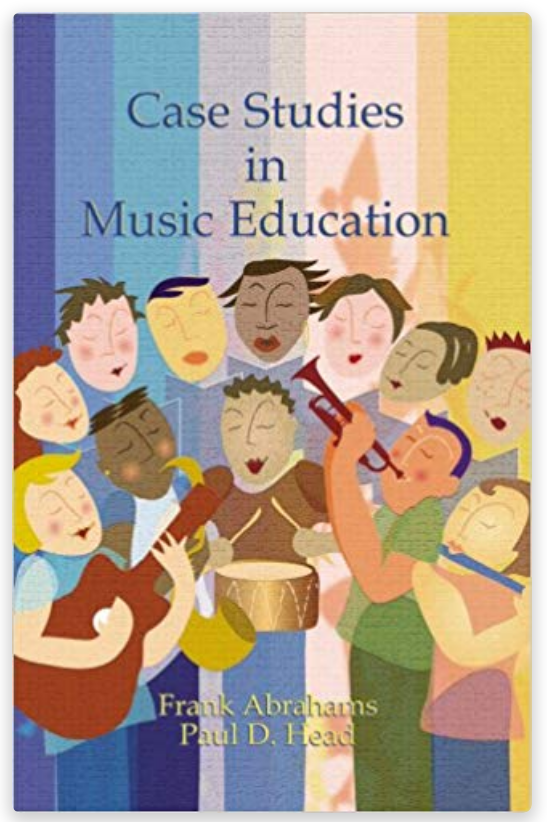 Next, I would like to direct pre-service and new music teachers to Case Studies in Music Education by Frank Abrahams and Paul D. Head. This would be an invaluable aid to “facilitate dialogue, problem posing, and problem solving” from college students (in methods classes?) and “rookie” teachers to veteran educators.
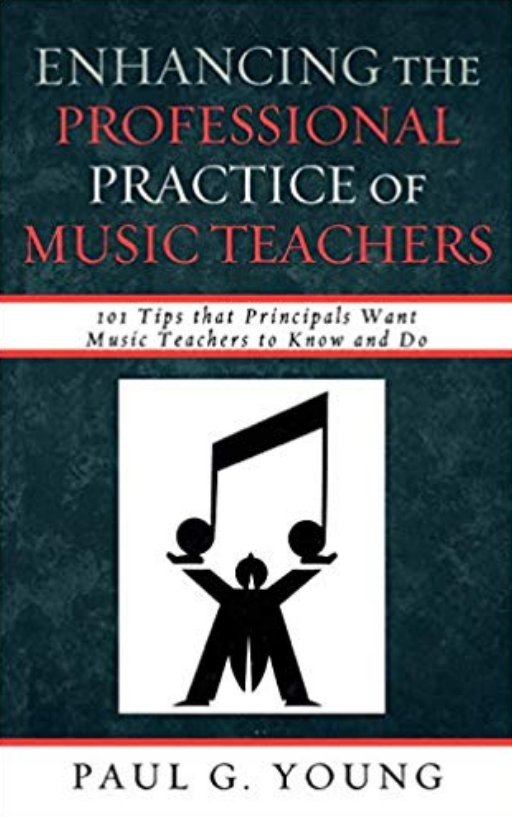 His chapters are organized into six tips:
 The first thing I want you to do (and you don’t even have to be a member of NAfME yet, although you should be!) is to take at least a half-hour, scroll down, and read through numerous NAfME “Music in a Minuet” blog-posts, bookmarking any you want to return to at a later date. Go to





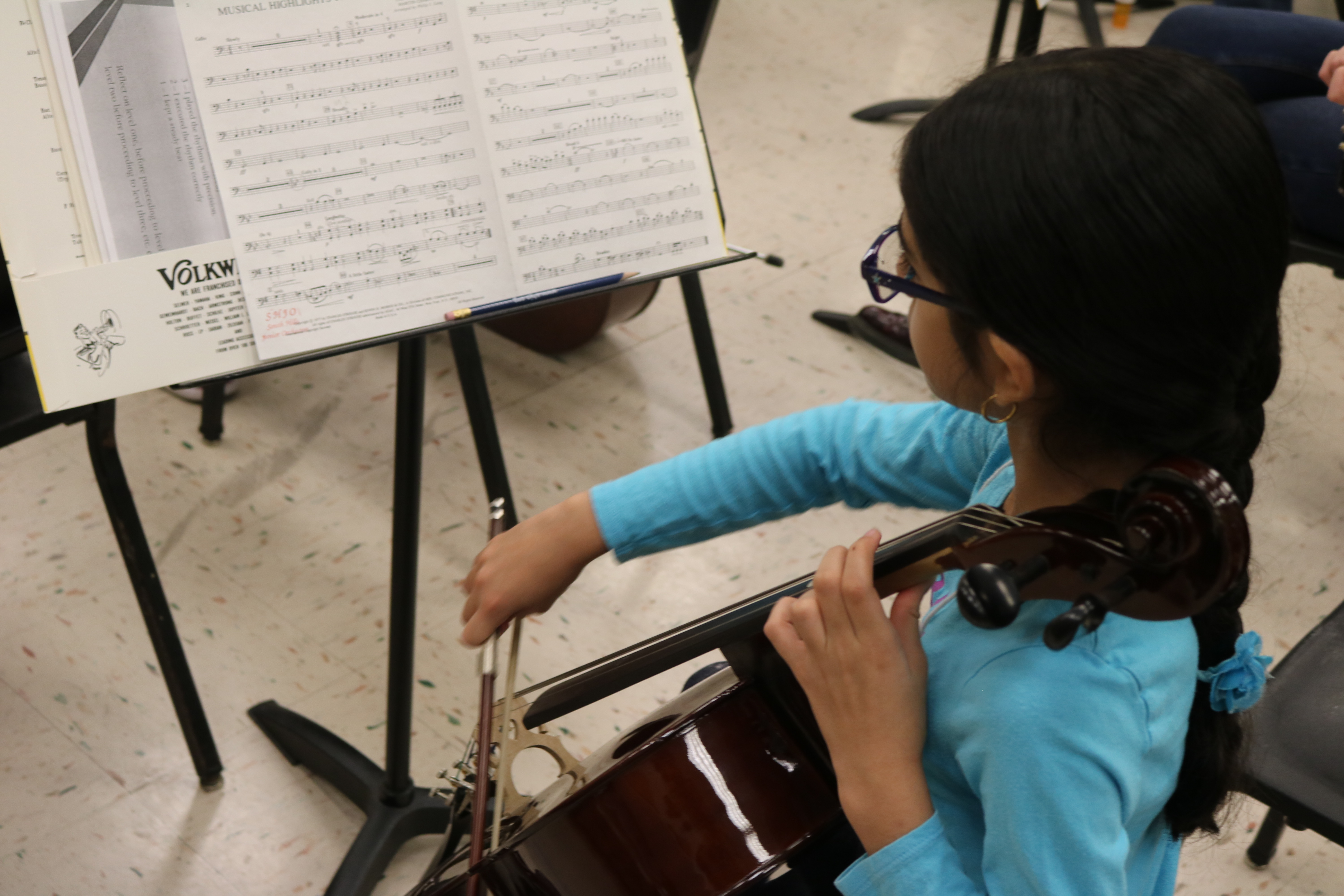 Create four new scale variations every day and add them to your “journal.” Creative new variations should make playing scales more enjoyable. Some examples are unusual rhythms (pizza toppings, desserts, interesting proper names), more difficult slurs, scales in thirds, etc.
 Visit the local music store and browse. Explore new publications of Classical, pop, folk, fiddle/jazz, show tunes or other styles.
 Purchase a duet book for mix or matched instruments (such as Beautiful Music for 2 Stringed Instruments by Applebaum—Book I (easy), Book II (medium), Book III advanced). Team up with another musician (band or string) and share non-transposing parts (flute or oboe with violin, trombone with cello, etc.).
 Plan a vacation or academic break around an out-of-state music workshop or concert series.
 Read books or magazine articles about famous musicians, performers, conductors or composers.
 paulfox.blog