
A Musician’s Guide to Staying Curious and Creative
by Ed Carter
For musicians, educators, professionals and soon-to-be retirees everywhere, guest blogger Ed Carter returns with this article on exploring new pastimes and adventures while “living the dream” during and after full-time employment. What are you planning to be (or do) when you grow up? PKF
Musicians are lifelong learners by nature. Whether you’re a touring guitarist, a bedroom producer, or a choir director, you already know that growth happens when curiosity meets practice. Learning new skills and hobbies isn’t just a way to pass the time—it’s a way to deepen musicianship, prevent burnout, and build a richer creative life. From hands-on crafts to movement and language, the right skill can feed your music in surprising ways.

The Fast Takeaway Most Musicians Need
Learning something new works best when it’s low-pressure, connected to your existing creative instincts, and practiced in short, repeatable sessions. Choose skills that train your ears, hands, body, or sense of story. Let progress be uneven. Consistency matters more than talent.

Skills That Pair Surprisingly Well With Music
Here’s a quick, varied list of skills and hobbies that musicians often enjoy—and actually benefit from:
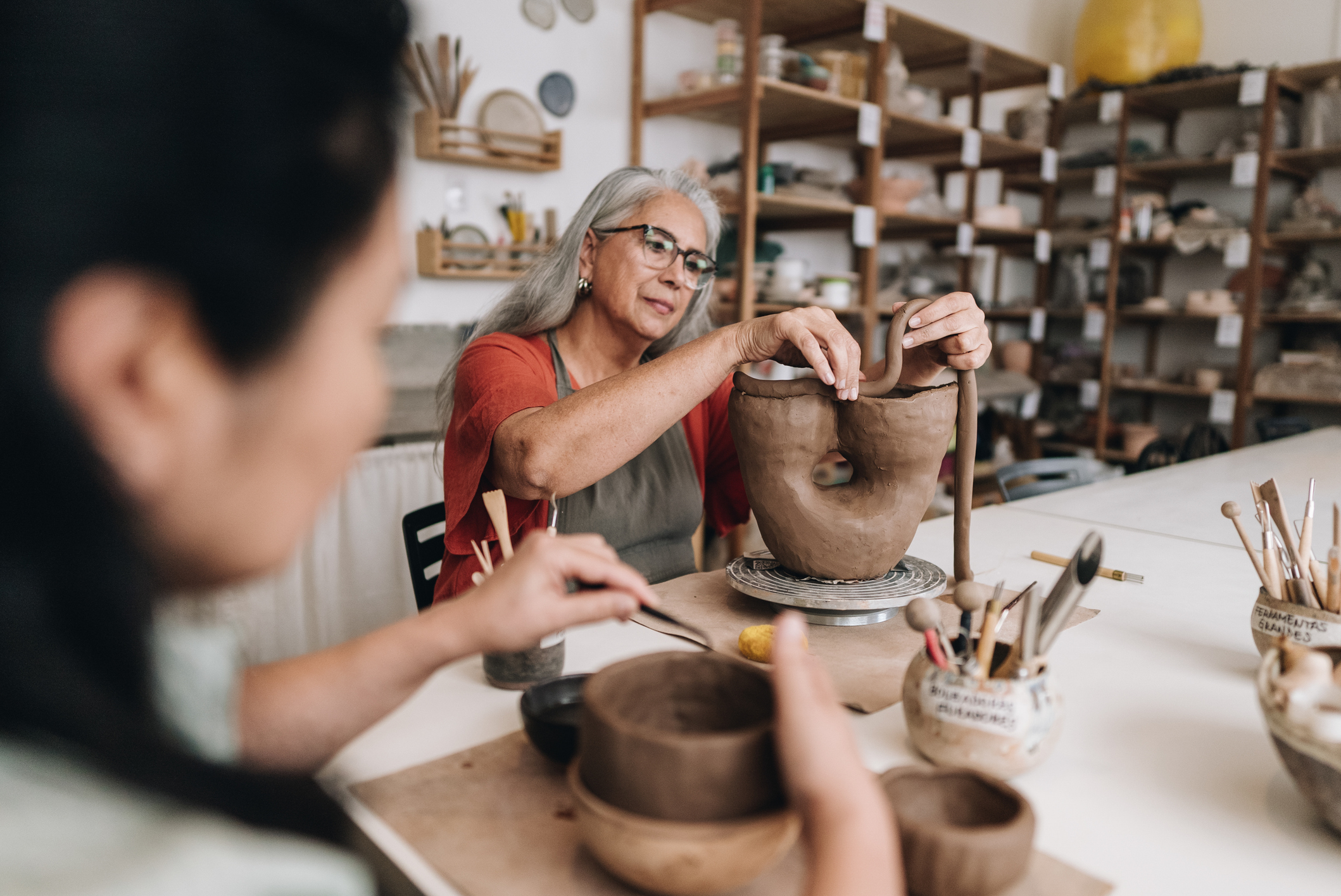
- Cooking: Teaches timing, improvisation, and sensory awareness
- Gardening: Builds patience, seasonal thinking, and long-term care
- Photography: Sharpens composition, contrast, and mood
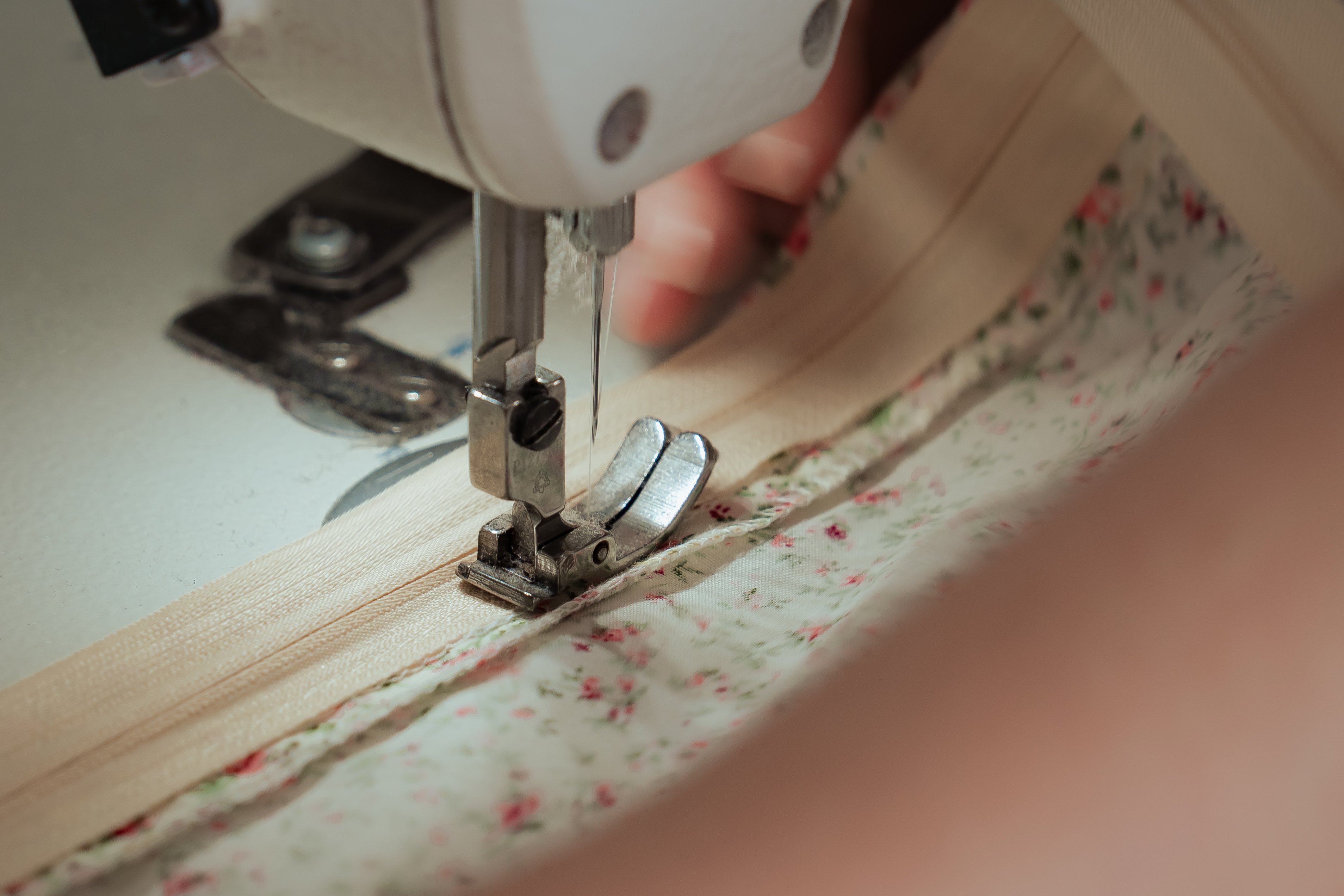
- Sewing or basic clothing repair: Encourages precision and rhythm
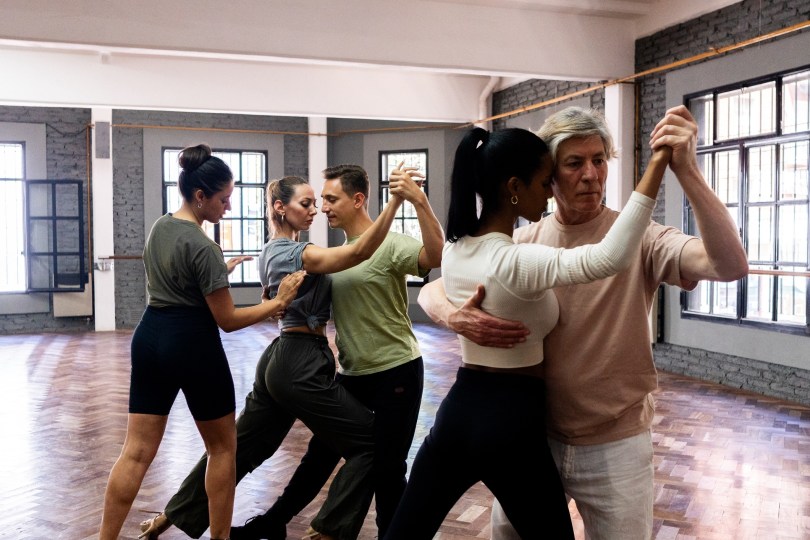
- Dancing: Improves mood, posture, and body awareness
- Visual art (drawing, painting, collage): Expands emotional expression
- Learning a new language: Trains listening, phrasing, and memory
- Playing a second (or third) instrument: Resets beginner’s mind
Each of these taps into skills musicians already use—just in a different form.
A Simple How-To for Learning Any New Skill
Use this checklist-style approach to avoid overwhelm and keep momentum:
- Start smaller than you think
Commit to 10–15 minutes a few times a week. That’s enough to build a habit. - Choose tools, not perfection
One good knife, one sketchbook, one dance class, one app. Avoid overbuying. - Practice in public (a little)
Share a photo, cook for a friend, attend a beginner class. Light accountability helps. - Connect it back to music
Ask: How does this change how I listen, move, or think creatively? - Let yourself be bad
Beginners progress faster when they’re not trying to impress anyone.
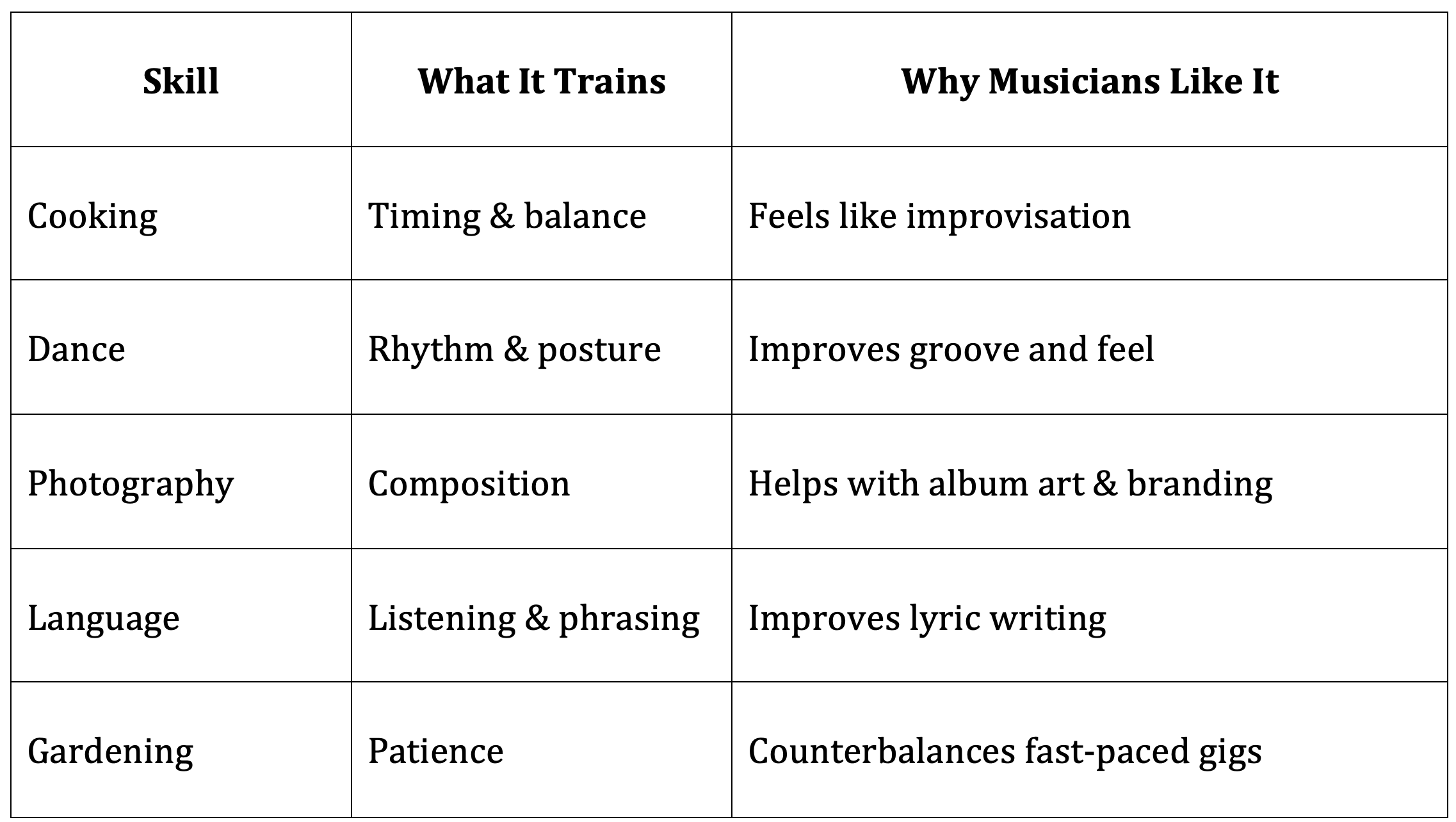
Learning Skills Side-by-Side: A Comparison

When a Hobby Turns Into a Calling
Sometimes a skill stops being “just for fun.” You fall in love with it, invest more time, and start wondering if it could become part of your career. Many musicians eventually return to school to formalize a passion—whether that’s audio engineering, education, therapy, or technology. Finding a program that supports your interests matters; for example, if you want to build skills in IT, programming, and computer science theory, earning a computer science degree can open doors, and this may be a good option. Online programs can be especially helpful for busy musicians, allowing you to study around rehearsals, gigs, and tours.

A Resource Worth Exploring
If you’re curious about picking up creative skills at your own pace, Skillshare offers beginner-friendly classes in photography, illustration, writing, productivity, and more. Many courses are short, project-based, and taught by working creatives.
Frequently Asked Questions
Do I need to be “talented” to start a new hobby?
No. Skill comes from repetition, not personality traits.
How many hobbies is too many?
If you feel scattered or stressed, scale back. One or two at a time is plenty.
Will learning non-musical skills really help my music?
Often, yes. Cross-training creativity keeps your musical thinking flexible.
What if I quit?
Quitting is data. You learned what didn’t fit—and that still counts.

Final Thoughts
Learning new skills and hobbies keeps musicians adaptable, curious, and creatively healthy. You don’t need a master plan—just a willingness to start small and stay open. Some skills will quietly support your music; others may change your direction entirely. Either way, the act of learning itself keeps you in tune with growth.
© 2026 by Ed Carter and Paul Fox








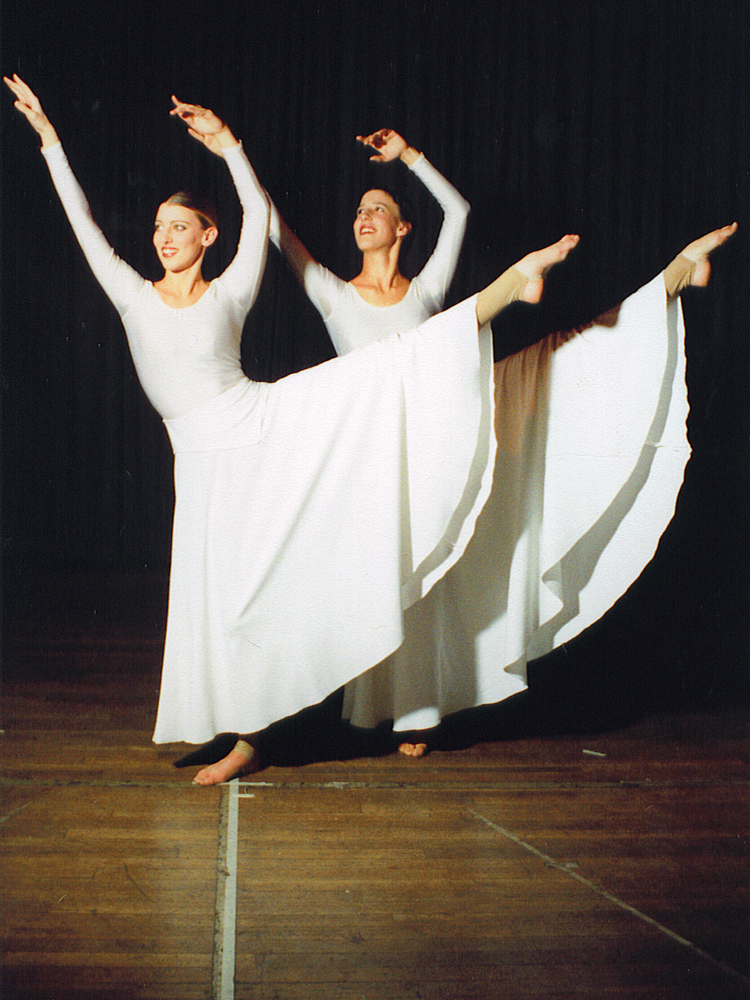 Take up a new hobby. Now that you have the time, go exploring… and the skies the limit! But don’t forget, anything worth doing “engages the mind!”
 If you have not read a previous blog of mine, “Advice from Music Teacher Retirees to Soon-To-Be Retirees,” check out the reprinted version on the Edutopia website:
  Just like a rehearsal – start off with a mind warm-up! Go to the website
  Leo the Tech Guy program and site at
  Finally, hobbyist websites are a wonderful resource. Examples: photography
  health is all about nurturing our skills/talents, exploring new pathways, facing new challenges, engaging our minds, and enjoying the “good life” after full-time employment. Nothing is stopping you from starting a new career, learning a new language, writing a book (or reading everything you always wanted to at the library), learning (better) how to act/dance/sing/play a new instrument, taking a trip to a new country (or city in the US) or journey to your backyard with a camera, and modeling the essence of the Robert Frost message, “I took the road less traveled by…. and, that has made all the difference.”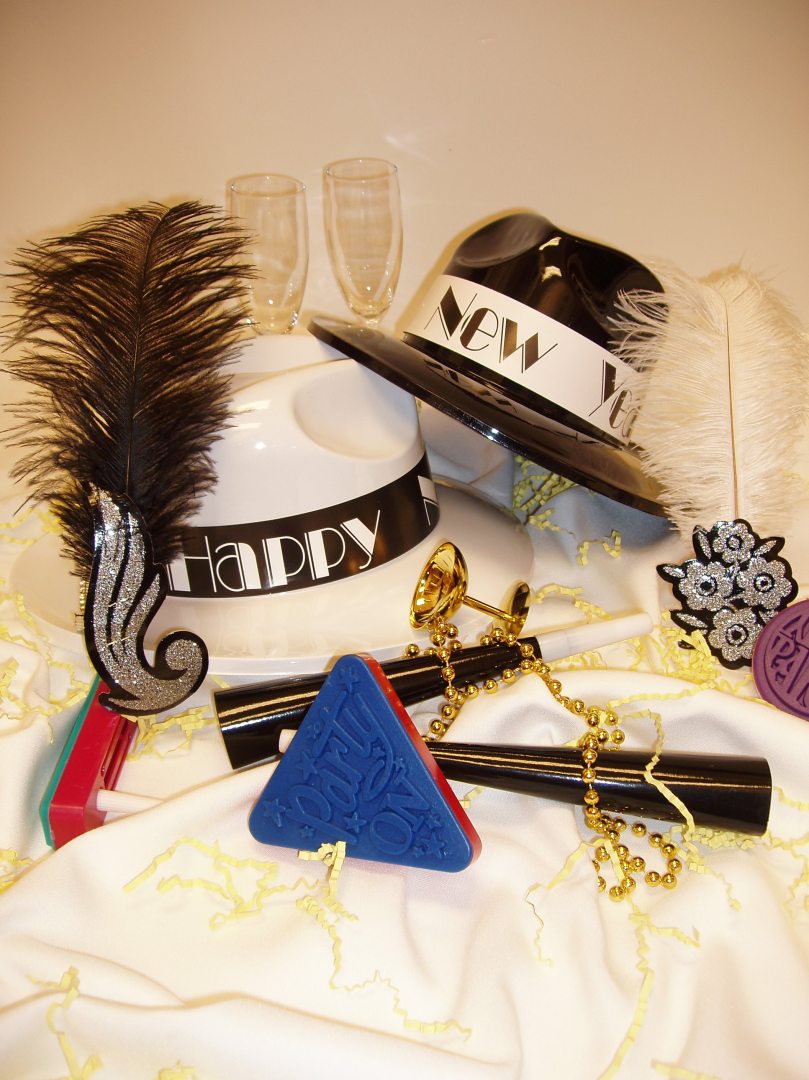

 The Romans giving tribute to the god Janus, for whom the month of January is named.
 my top-ten recommendations to help you “grow” and enjoy a glorious 2016!
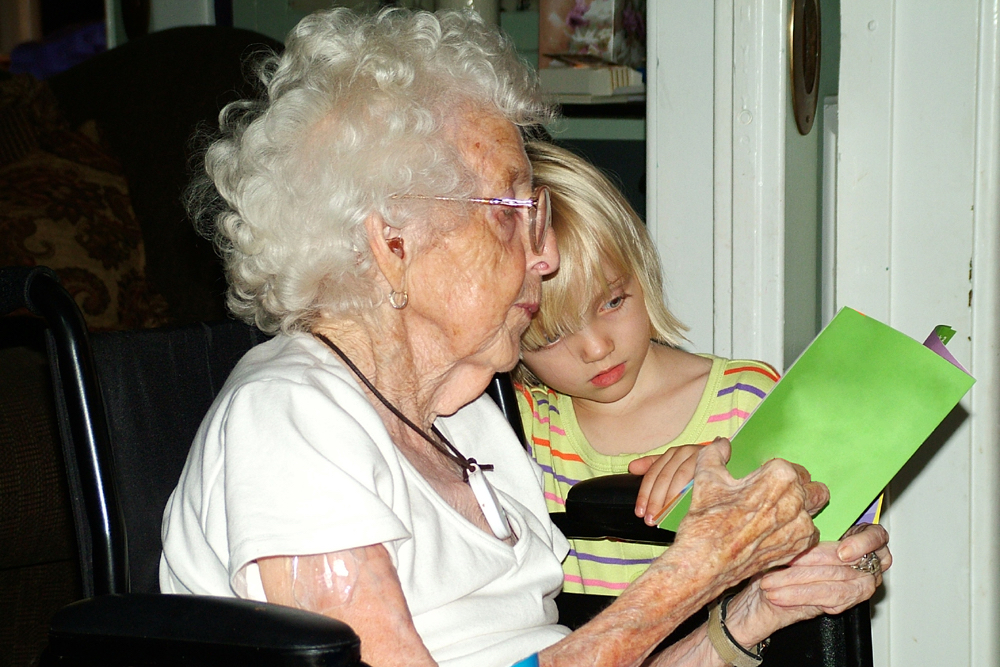 grandchildren (your own or adopted ones), enjoy them! Not only is your generous super-competent babysitting services providing ever-so-essential care-taking of your love-ones, “playing with the kids” is wonderful for your own mood and mental health. “Keep around young people and you will stay forever young!” However, invest your time wisely. You deserve a life of your own and unstructured time off. It is easy to be taken advantage of, so don’t let this childcare schedule dominate everything you do in your retirement.
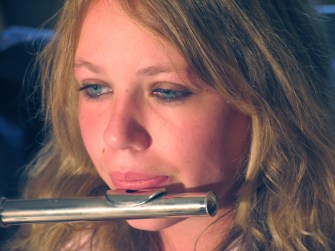 The single most satisfying pastime for all of us is to be or do something creative. With few exceptions, every day you need to find venue(s) to express yourself. This could mean pulling out your instrument or singing, with a renewed focus on exploring your musicianship, interpretation, composition, or improvisational skills. Creating new musical works, like adding to your own “Mr. Holland’s Opus,” can “make your day!” Other projects in creativity could involve conducting, acting, dancing, creating two or three-dimensional artworks, sewing, gardening, and my personal favorite, writing. Whether it is fiction or nonfiction, articles, books, poems, letters-to-editors – the activity is very personal – and possibly profitable? Try to assemble in words your long-practiced insights and experiences acquired working as a teacher. I am particularly inspired by the prospects of creating and posting blogs on just about any subject that motivates or moves me. Check out the opportunities that WordPress.com can give you. (I am not too shy to refer you to my own website, showing off my articles and “pet peeves” on the subjects of creativity in education, marketing professionalism, and retirement resources:
 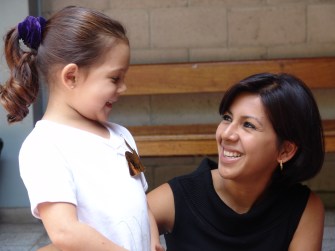 Every week for the rest of your life, spend some time “giving back!” Volunteer or share your hobbies, interests, or expertise helping out wherever it is most needed… in local churches, hospitals, charitable organizations, schools, pet sanctuaries, or senior care centers. I never understood why some enterprising entrepreneur does not buy a large piece of land to build a combined animal shelter, childcare center, and assisted-living facility, connected with easy access to each other… mutually beneficial opportunities for needy children, lonely seniors, and rescued pets for interaction with each other! That’s a “win-win-win!”
 Stay involved in PMEA. Help new or recently transferred music teachers by joining the PMEA Retiree Resource Registry, the free (but priceless!) adviser/ consultant service

 paulfox.blog