Adaptations of the article in PMEA News (Fall 2019) and the blog “Retiree Concepts.”
Do you feel “needed” and “making a difference” to others? This is an essential part of what author Ernie Zelinski of the best-seller book How to Retire Happy, Wild, and Free emphasizes: “finding purpose, structure, and community” – goals for which your job and career usually provide – but are equally essential in retirement.
“Work structures us and gives us routine in our lives,” says psychologist Louis Primavera of Touro College in New York City, who co-wrote the 2012 book The Retirement Maze: What You Should Know Before and After You Retire. “We plan around work. It is part of our identity. We go to a social gathering and people say, ‘What do you do?’ Clearly, what happens is people say, ‘What am I going to do? What am I going to be?’ The loss of identity is a major fear.”
Retiring is “a series of transitions,” says Nancy Schlossberg, a professor emerita of counseling psychology at the University of Maryland, and now of Sarasota, Fla., where she is a consultant and public speaker on life transitions. “Change is very unsettling. There are people afraid because they can’t forecast the future,” she says, and because they worry “they no longer will have a purpose.”
In her 2009 book Revitalizing Retirement: Reshaping Your Identity, Relationships, and Purpose, Schlossberg talks about “mattering,” which she describes as “the degree to which you feel you’re appreciated, you’re noticed, you’re depended upon.”
Citing the research of Morris Rosenberg and B. Claire McCullough (adolescent studies) at https://psycnet.apa.org/record/1983-07744-001, Schlossberg further defines it as “a universal, lifelong issue that connects us all.” Her “four dimensions of mattering” are:
Attention – the feeling that a person has the interest of another;
Importance – the feeling that others care about what you want, think, and do;
Ego-Extension – the feeling that others will be proud of your successes and/or saddened by your failures;
Dependence – the feeling that a person can depend on someone else.
Schlossberg also describes the opposing term “marginality” as “a sense of not fitting in,” which can lead to “self-consciousness, irritability, and depression. For some, these feelings can be permanent conditions.” Furthermore, “feelings of marginality often occur when individuals take on new roles, especially when they are uncertain about what these entail.”
Sound familiar? This might resemble that sometimes-tumultuous passage to and emotional ups-and-downs during the initial stages of “life after the work!”
Retirees, do you wake up in the morning feeling like you have an important part to play in the grand scheme of things? According to blogger Carol Larson and life coach Mary Helen Conroy, “During those early months of retirement, folks often try to figure out what their purpose is now that they’re not working. They wonder if they matter.” They view this concept through the lens of popular culture and the literature of transitions. You are invited to try their shared “recipe for mattering” in the Retiree Rebel free-podcast posted at http://www.retireerebels.com/mattering-matter-retirement-mhc-214/.
Dr. Amit Sood, author of the Mayo Clinic Guide to Stress-Free Living, recommends to “treat the first year in retirement as if you are ‘interning’ to give yourself time to readjust and set new expectations.” So, seemingly taking his advice, plan a “break” from everything, take extended trips, tours, or cruises, and enjoy some unscheduled time… to literally “go with the flow.”
Susan Woodward, now 75 and living in Tucson, spent four years of her retirement traveling the country in her RV. She visited national parks and the maritime provinces in Canada, and even spent of that time volunteering. What she remembers most is her first trip, when she headed to Deming, N.M. from Raleigh, N.C. “I had such a sense of freedom, empowerment, expansion. I can’t even explain it,” she said. “It was like the whole world opened up.”
It’s true that retirement can be a dangerous time for some. Without a sense of purpose, the risk of depression increases, and what should be a relaxing time becomes an anxious one. Studies show that without anything meaningful to do, and “mental exercises” throughout the day, cognitive abilities diminish in early retirees. They should also engage in social activities and find a leisurely activity they can enjoy if they aren’t trying to spend their retirement years still working.
— Alessandra Malito
The good news? You have friends in high places… NAfME and your state’s federated music education association (MEA) colleagues who have successfully “Crossed the Rubicon” into an active, meaningful, healthy, and happy retirement.
Anyone contemplating retiring over the next three years should visit their state’s retired member section and Retired Member focus area on the PMEA website: https://www.pmea.net/retired-members/. Take a look at past issues of the PMEA Retired Member Network eNEWS, read the Ultimate Retiree Resource Guide/Bibliography (also posted here), and view the video How-to-Retire.
Finding purpose and “mattering” during your post-full-time employment years will be easier if you continue your own pursuits in music artistry and creative self-expression, as well as your support of music education – be as active as you want – but consider the value of a few of these Goals/Benefits of NAfME/State MEA Retired Membership:
What music teacher retirees need from their professional associations…
Recognition and archival of past and current professional accomplishments, assignments, interests, skills, and talents.
Sessions geared for retired members, such as nurturing expressiveness and participation in amateur/community ensembles, retirement planning, etc.
New “brain-engaging” outlets for learning, leadership, advocacy, “encore career” development, and service.
Discounts for membership and attending festivals, workshops, and conferences.
What NAfME and state MEAs’ need from its retirees…
Mentoring of new/less experienced teachers
Advising “best practices” in curriculum, instruction, assessment, and literature
Serving as leaders or consultants on local or state councils/boards
Volunteering at local workshops and state conferences
Advocating music education to the legislature and general public
Presenting sessions at workshops or conferences
Conducting, coaching, or accompanying students at festivals
Assisting in technology, teacher training, recruitment, auditions, etc.
Yes, you domatter, and you have a lot to offer benefiting the profession to which you have devoted your life! Happy trails to all retiring and retired members!
Primavera, Louis, Pascale, Rob & Roach, Rip. The Retirement Maze: What You Should Know Before and After You Retire. Rowan & Littlefield Publishers, 2012.
Rosenberg, M., & McCullough, B. C. (1981). Mattering: Inferred significance and mental health among adolescents. Research in Community & Mental Health, 2, 163-182
Schlossberg, Nancy K. Revitalizing Retirement: Reshaping Your Identity, Relationships, and Purpose. American Psychological Association, 2009
Sood, Amit. The Mayo Clinic Guide to Stress-Free Living. Da Capo Press, 2013
Zelinski, Ernie J. How to Retire Happy, Wild, and Free. Ten Speed Press, 2009
Coaching Advice for Acing Those Employment Interview Questions
There is a huge body of information on preparing for the job search process, interviews, and marketing yourself previously posted at this site. Where should you go first? Be sure to survey the following blogs:
What else do you think we should cover on this topic? How about some specific “coaching” in recommended answers to commonly asked interview questions… tips from the experts, HR staff, interviewers, supervisors, and the like. We give each resource “the baton” and “the podium” to offer a glimpse in the triumphs, pitfalls, and pratfalls of frequently observed interviewee responses. For grasping the full comprehension and context, follow-up by reading the entire article posted at each link.
Many of these suggestions are geared to “general education” teacher interviews, but you can apply them to whatever specialty or grade level to which you are applying. After all, the person sitting at the other side of the desk is probably an administrator or director of curriculum, not a current/former music educator.
Again, be sure to visit each website. All told, there are more than 108 sample questions and responses in these collections below!
What is your teaching philosophy?
Teacher interview questions like this ask, “Are you a good fit for our school?” It’s the teaching equivalent of “tell me about yourself.” But —
Don’t answer elementary teacher interview questions for an unstructured school with, “I believe in structured learning.”
Take the time to learn the school’s philosophy before the interview.
Example answer: “I believe in teaching to each student’s passion. For instance, in one kindergarten class, my students had trouble with punctuation. I observed that one student, Mary, suddenly got excited about apostrophes. I fueled her passion with a big book on punctuation. Her enthusiasm was contagious, and soon the entire class was asking bright and animated questions. Whenever possible, I try to deliver structured lessons in an unstructured way like this.”
That answer uses the S.T.A.R. approach to teaching interview questions. It shows a Situation, a Task, an Action, and a Result.
This is from a Zety “career toolbox” website. They also offer an outstanding app to “build” a resume, CV, and cover letter, all with excellent examples.
Why do you want to be a teacher/work with children?
You have to know who you are as an individual and as an educator, and you have to know what you can bring to the school… This question gets to the heart of that self-awareness and passion. The interviewer wants to know: What drew you to this field, specifically?
How to answer it: It’s obvious of course, but you don’t want to say, “Summer vacations!” This should be easy to answer simply because there’s probably something you can think of that made you want to get into education. Maybe you love teaching your friends new things, or are a facts wizard bursting with knowledge, or love connecting with children. Focus not just on what you like about teaching but also on what you can… bring to the table.
For example, you might say: “I really admired my third grade teacher, Mrs. Kim, when I was younger, and even after I left her class I still felt myself drawn to her for advice and guidance over the years. It’s that sense of warmth and acceptance she provided me that inspired me to become a teacher. I want to be that person others can lean on as they navigate the oftentimes tough waters of growing up.”
In addition, the site above shares several important pointers from Calvin Brown, Senior Recruiter at Alignstaffing, an education staffing firm, and Dan Swartz, Managing Director at Resolve Talent Consulting, LLC, a firm that specializes in education recruitment.
Reaffirming the blog S is for storytelling at interviews: “If you have a situation or a story with a great outcome, absolutely share [it],” says Brown. “Stories are also a great ways to highlight your expertise and skill set if you don’t come with a traditional background in education.” Swartz adds, “Even if you’re not a teacher with experience, you can still highlight how you go about your work by giving past examples and scenarios of engaging others.”
How would you handle a difficult student?
Mary Findley, Senior Teacher Success Manager at Skillshare, former Teach for America Core Member and elementary school teacher, suggests this scenario and answer:
“When students are disengaged, it’s either because the content’s too challenging, it’s too easy, or there could be some outside-of-school factors,” explains Findley. A good answer delves into figuring out the cause, as that’s often the most important step.
Then, your response should show that “you’re meeting the student where they’re at and building on their strengths,” she says. It should also emphasize that you’re “collaboratively discussing” solutions with the student rather than ordering them around. If you have an example story to tell, that’s a great way to state your case.
You could say: “For me, the first step would be to pull them aside and address the issue privately. My biggest questions would be about deciphering what might be the root cause of this student’s bad behavior. Once I know what may be contributing to their difficulty, I really try to work with them to come up with a solution. I used this strategy in my last classroom, where I had a student who couldn’t seem to stay in his seat during lessons. We talked about how his behavior affected the rest of the class and why he kept moving around, and we agreed that when he was feeling really anxious he could raise his hand and I’d let him take a lap around the classroom, but only when it was appropriate. I also decided to make some of my lessons more active and hands-on so that other students could benefit from getting out of their seats every once in a while.”
How do you incorporate social-emotional learning in your lessons?
Many states and districts have added requirements for social-emotional learning into their standards. Explain how you will not only tend to the academic needs of your students but tie in lessons that satisfy the core SEL competencies. Describe how you will help students build their self- and social-awareness skills, how you will support them in building relationships, and how you will give them the skills to make responsible decisions.
How will you meet the needs of the students in your class who are advanced or say they’re bored?
and
How will you engage reluctant learners?
School leaders don’t want to hear canned responses about how you can differentiate; they want you to give some concrete answers and support your ideas. Perhaps you help get kids prepared for scholastic competitions once they’ve mastered the standard (spelling bee or chemistry olympiad, anyone?). Maybe you offer more advanced poetry schemes for your English classes or alternate problem-solving methods for your math students. Whatever it is, make sure that you express the importance that all students are engaged, even the ones that are already sure to pass the state standardized test.
Teaching in an age when we must compete with Fortnite, Snapchat, and other forms of instant entertainment makes this question valid and necessary. How will you keep students’ heads off their desks, their pencils in their hands, and their phones in their pockets? Share specific incentive policies, engaging lessons you’ve used, or ways you’ve built relationships to keep students on task. An anecdote of how a past student (remember to protect privacy) that you taught was turned on to your subject because of your influence would also help your credibility here.
Considered one of the “trick” or unfair questions by many, you should still be ready for it. One of the keys to sounding sincere is to personalize your response, and provide specific examples of the “problem,” self-improvement goals, and positive growth and progress.
At some point during the interview process, you may be asked to describe your personal strengths and weaknesses. Many job candidates are unsure about how to approach this question. However, by establishing the appropriate context, you can give hiring managers an honest, thoughtful answer that highlights both your self-awareness and professionalism.
Preparing ahead of time for this question is a valuable use of your time before the interview. Even if you aren’t asked about your strengths and weaknesses specifically, scripting out your response to this common question will give you a candid yet compelling description of what you bring to the table and how you wish to grow in the future.
Because we all have weaknesses but rarely want to admit to them, it’s best to begin with a truthful answer and build your script from there. Select an answer that a hiring manager would not consider to be essential qualities or skills for the position as well as qualities that you are actively improving.
Some examples of weaknesses include:
Disorganized
Self-Critical/Sensitive
Perfectionism (Note: this can be a strength in many roles, so be sure you have an example of how perfectionism can be a problem to demonstrate that you’ve thought deeply about this trait)
Shy/Not adept at public speaking
Competitive (Note: Similarly to perfectionism, this can be a strength)
Limited experience in a non-essential skill (especially if obvious on your resume)
Not skilled at delegating tasks
Take on too much responsibility
Not detail-oriented/Too detail-oriented
Not comfortable taking risks
Too focused/Lack of focus
Example weakness: Perfectionism
“I tend to be a perfectionist and can linger on the details of a project which can threaten deadlines. Early on in my career, when I worked for ABC Inc., that very thing happened. I was laboring over the details and in turn, caused my manager to be stressed when I almost missed the deadline on my deliverables. I learned the hard way back then, but I did learn. Today I’m always aware of how what I’m doing affects my team and management. I’ve learned how to find the balance between perfect and very good and being timely.”
Example weakness: Difficulty with an area of expertise
“Math wasn’t my strongest subject in school. To be honest, as a student, I didn’t understand how it would be applicable in my adult life. Within a few years of being in the working world, though, I realized that I wanted to take my career in a more analytical direction. At first, I wasn’t sure where to begin, but I found some free online courses that refreshed the important basics for me. In my most recent job, this new foundation has enabled me to do my own goal setting and tracking. Actually, getting over the math anxiety I had when I was younger has been incredibly empowering.”
One final resource, perhaps more focused on business or company interviews, but still applicable to education positions, is the work of author, career counselor and interview coach Robin Ryan. Knowing that college students are by necessity drawn to “free stuff,” I would first view one of her YouTube videos such as https://www.youtube.com/watch?v=J_lgyK37JJM or venture into reading her “how-to” articles at http://www.robinryan.com/index.php/articles. There are some excellent gems perfect for “collegiates” here:
Focusing on Robin Ryan’s “interview tools” such as “the five-point agenda” and “60-second sell,” her book 60 Seconds and You’re Hired ” is inspiring and provides much greater depth (76 pages!) on answering those “thorny” interview questions. Nearly all of the sample questions above are also analyzed, offering easy-to-understand comments and recommendations for specific career paths. For example, Robin Ryan also weighs in on that inquiry “What is your greatest weakness?” – first offering to joke about it “I cannot resist chocolate!” and then, if it is reiterated, endorsing a strategy to share a work habit problem (like being a “Type-A” person) on which you are currently improving but is not critical for the position they are seeking to fill.
To sum up the book, these are my favorite sections:
Chapter 2: The Five Point Agenda
Chapter 3: The 60-Second Sell
Chapter 5: Interview Etiquette (including tips on proper dress, good manners, nonverbal and verbal communication, the hand shake, and eye contact)
Chapter 7: 60-Second Answers to Tough, Tricky Answers
Chapter 12: 12 Pitfalls to Avoid
In conclusion, as stated throughout all of this literature on interview techniques, the keys to success are preparation and practice… just like getting ready for your semester jury or senior recital. After studying these materials, collaborate with your peers to hold “mock interviews,” video-record yourself answering the questions, and take time to review and self-assess. Yes, you CAN and WILL do well at future employment screenings!
Teacher Retirees: Not to be morose, but have you undergone a little soul-searching and introspection into how you want to leave your mark on this world? Since you’ve departed from your full-time career, do you feel your past/current goals and pursuits will make a difference?
How will you be remembered once you’re gone?
If someone else was to “put me on the spot” and ask me this, my quick rejoinder would be, “Music and education are my life!”
How about you?
Let’s start with a review of the broad definition from Merriam-Webster:
noun: 1. a gift by will especially of money or other personal property, 2. something transmitted by or received from an ancestor or predecessor or from the past
adjective: of, relating to, associated with, or carried over from an earlier time, technology, business, etc.
Legacy is [how] most people… want to be remembered, loved, and revered.
A legacy is not something that we have complete control over. After all, we cannot control how other people perceive us, we can only control our own actions.
So how can we leave the world with a legacy of our choosing?
What we must do is inspire through our own actions. If you go back through time and analyze the most influential legacies, you’ll see that they all inspired action through their own action. They didn’t just think about doing things, or tell others to do them; they went out and got things done on their own!
These legacies began while they were still alive, except I’m sure they weren’t thinking about them in those terms. Their ACCOMPLISHED GOALS became their legacy, which lives on today.
It may boil down to two thought-provoking inquiries posed in “What Will Be Your Legacy?”What do you want to leave for the world that will affect it when you are gone? AND How do you want to change the future?
Thanks to blogger Marelisa Fabrega, here’s more food for thought and self-examination:
What do you want your life to stand for?
How do you want to be remembered by your family and friends?
What will those beyond your circle of family friends remember you for?
What kind of impact do you want to have on your community?
How will the world be a better place because you were in it?
What contributions do you want to make to your field?
Whose lives will you have touched?
What lessons would you like to pass on to future generations?
What do you want to leave behind?
How can you serve?
In her article “How to Leave a Lasting Legacy,” Fabrega also shares several activities for the creation of a personal legacy, everything from the Stephen Covey exercise on writing your own obituary or designing the words you want etched on your tombstone to adding your own “meaning of life” verse to the Walt Whitman poem Oh Me Oh Life as English teacher John Keating (played by Robin Williams) taught in the film Dead Poets Society.
Your legacy is putting your stamp on the future. It’s a way to make some meaning of your existence: “Yes, world of the future, I was here. Here’s my contribution, here’s why I hope my life mattered.”
A legacy is more than a large donation to your favorite church, foundation, or charity. Of course, this process should begin with self-reflection, advance planning, hiring an attorney, and making your financial intentions and final instructions clear in writing.
Do you have a legal will, ethical will, living trust, Power of Attorney, and advance directive? Have you updated your important documents to take care of the needs of your family? Have you notified your spouse, adult children, and other relatives where they can find these legal papers, passwords, and other digital files? If not, please review my blog “Estate Planning.”
But, legacy is so much more, including strategies for passing on your values and goals after you are no longer here!
13 years ago, I first learned about an ancient tradition for passing on personal values, beliefs, blessings, and advice to future generations called an “ethical will.” At a subconscious level, I must remember the custom, because when my father was diagnosed with lung cancer in 1990, I asked him to write a letter about the things that he valued. About a month before he died, my dad gave me two hand-written pages in which he spoke about the importance of being honest, getting a good education, helping people in need, and always remaining loyal to family. That letter – his ethical will – meant more to me than any material possession he could have bequeathed.
— Barry K. Baines in Ethical Wills
As we have also noted in a previous blog-post, you should reflect on what you would say to those nearest and dearest to you if you couldn’t (or didn’t) tell them in person. Consider writing individual letters to your partner, children, or other family members “as a way of leaving a few last words.” Check out Frish Brandt’s “Last[ing] Letters.”
Your Contributions “In Memoriam”
The idea of leaving a legacy is the need or the desire to be remembered for what you have contributed to the world. In some cases, that contribution can be so special that the universe is unalterably changed. However, for most of us mere mortals walking this earth, we will leave a more modest legacy that doesn’t necessarily change the world but does leave a lasting footprint that will be remembered by those whose lives you touched.
You hope your life matters in some way. I know I do. I’ve been teaching since the age of 22 and teaching is my legacy, my contribution that hopefully enlightened the lives of my students whether they became actors, scientists, doctors, mothers or yogis. My teaching is a gift that keeps on giving because it leads me to other learning and knowing experiences that I share with others.
(I bolded “teaching is my legacy” in the above quote because I hope that will be considered as my own preeminent legacy.)
To borrow from the inspiration and expertise of others, I found this insightful and stimulating self-help article offering “Five Ways to Leave a Great Legacy” by Joan Moran.
Moran describes in detail these tips:
Support the people and causes that are important to you.
Reflect and decide what is most important to you in your life.
Share your blessings with others.
Be a mentor to others.
Pursue your passions because they are infectious.
She sums it up succinctly: “Leaving a legacy is an important part of your life’s work. A legacy develops from a life dedicated to self-reflection and purpose. What will be revealed and what will endure is a truthful and value driven body of living.”
The straightforward way to live a life of significance is simply to share your three t’s: time, talent, and treasure. Our lives are meant to give away – to significant causes, to loving families, to friends in need, to lasting relationships. Find a way that your gifts can serve others. Your time, energy, and money are precious resources – they are limited, and you are the sole owner. If you spend them in one area you can’t spend them in another. When we say “yes” to one thing, by default we saying “no” to something else. The key to winning is to say “yes” to the significant things in your life.
Fancy SAT vocabulary term! No, we do not need a visit from Charles Dickens’ three ghosts to learn altruism! Everyone should want to be remembered as eleemosynary or generous souls! Especially during my retirement years (2013 to the present), I want to model volunteerism:
Directing the South Hills Junior Orchestra (non-salaried sharing of my teaching)
Serving as a volunteer escort for the St. Clair Memorial Hospital (three days/week)
Promoting communications and marketing strategies of the Community Foundation of Upper St. Clair
Supporting the Pennsylvania Music Educators Association in various projects including teacher training, recruitment, retention, and retirement prep.
Writing articles and presenting workshops/webinars that help other teachers
These wishes will need to be updated from time to time, just like revising mission/vision statements, goals and objectives.
In addition, future monetary bequeaths from “what’s left” of our remaining assets will serve as “random acts of kindness from the grave” in support our current values, funding hereafter projects and pursuits (subscribing Moran’s tips #1-3 above) that matter to us.
How to Make an Educator Smile
My wife and I never had kids, so admittedly we live vicariously when we “bump into” our former students and revel in their major life-passages and accomplishments. It warms a retired music teacher’s heart to “catch-up” with a combined 53+-year history of past pupils from our music classes, choirs, bands, orchestras, and musical/play productions, and learn that they are happy, healthy, prosperous, and thriving. It gives us a special thrill to hear they are still “making music” and/or passing on their love of the arts to their own kids. That is indeed part of every teacher’s wish for a lasting legacy.
During our retirement, we continue to attend many concerts, recitals, weddings, receptions, Eagle Scout ceremonies, etc. of our former “charges.” We feel blessed to be invited to participate in these special occasions to share in their joy, love, and success.
In some small way, we fervently hope our efforts to bring creative self-expression and the appreciation of the arts have made a difference to our students’ lives and their development into caring, responsible, and “artistic” adults.
In Conclusion: The Fox Vision and Values — “These Things I Believe”
Equal-access to high quality and meaningful music education programs is an essential part to the intellectual, emotional, and artistic development of all children.
The primary goal of an education in the arts is to nurture creative self-expression.
Regardless of talent or privilege, every individual on earth can find inspiration and success in some form of music or the arts.
Our life purpose involves relationships. It is more about people than about things.
We were put on this planet to understand and help others, to foster more than a mere tolerance for diverse individuals and perspectives, rather to emphasize the values and practices of acceptance, respect, empathy, and collaboration.
Our primary goal is to empower volunteerism, to make a difference in the lives of others less fortunate or experienced, and to give freely of our time, talents, passions, and resources.
Book Review: I Love My Job But It’s Killing Me – The Teacher’s Guide to Conquering Chronic Stress and Sickness by Lesley Moffat
Have you read this “International Bestseller” written by a band director?
Where was this when I was still teaching full-time, managing a crazy 24/7 schedule of music teaching and administration, fulfilling a myriad of self-assigned extracurricular activities like band, choir, strings, fall play, spring musical, adjudications and festivals?
How many of you struggle to
Fall and stay asleep?
Avoid “brain fog” and exhaustion brought on by stress?
Alleviate (or ignore) aches and pains or illnesses that interfere with your work?
Reclaim and maintain enough energy to support your work and family life.
Resolve feelings that your life is falling apart or you are “burned-out?”
Well, instead of sitting around and whining about your hectic schedule or other challenges in your life, ruining your health, mood, and relationships with your family, friends, and students, or “throwing in the towel” and giving up altogether… take a look at this comprehensive guide to walk you through the problem — “baby steps” towards a complete self-care plan — providing assessments and action plans towards better personal health and wellness.
This blog provides a few highlights from Lesley Moffat’s work. You owe it to yourself to break down and buy this inexpensive and easy-to-read paperback! Although it is meant for individuals who are serious about starting a comprehensive self-improvement project, this book is not long nor laborious! With a supposed “read time” of 132 minutes (according to the back cover), I would devote probably a couple weeks to thoroughly consume it. For even more clarity, I have even taken to reading sections of it to my wife, also a retired music teacher! Both of us have “been there” in coping with many of the issues of job-related stress and life-style choices.
The Why — Chapter 12: “Put on Your Own Oxygen Mask First” (Page 109)
After a quick scan of the first couple chapters, I recommend jumping to Chapter 12 to absorb the priority of “me first” in order to be able to care for others. I love the airline safety announcement analogy about “place the oxygen mask on yourself before helping others.” The central focus of her book, this is something I ignored for 35+ years.
You must take care of yourself. First. You can’t give what you haven’t got.
This is perhaps the hardest lesson of all, yet it is so important. Chances are you got where you are because you ran yourself ragged taking care of other people’s needs. I bet you never said no to requests to be on one more committee, drive carpool, watch a friend’s kids, and every other favor someone made of you, yet I’d also bet there’s a good chance you never take the time to take of your own needs. When was the last time you read a book for fun? Or went to a movie you wanted to see? Or pursued a creative endeavor that made you happy? Or any one of a million things you want to do? I bet it’s been a long time. — Lesley Moffat
What an incredible story! Lesley Moffat gets personal and tells her own tale of total exhaustion, lack of mental focus (she calls ADHD), numerous aches and pains, arthritis, weight gain, bouts of illnesses like pneumonia, restless leg syndrome (a sleep disorder), and migraines, needed medical procedures like back surgery, hip replacement, bunion removal, etc. At times, her narratives are explicit and most graphic.
This profession is hard. Until my generation, women weren’t high school band directors, so there were no role models for me to look up to when I struggled with finding a balance between raising a family and having this career path. I had to learn things the hard way and make up my own solutions when there weren’t resources for me to use. My peer group is primarily men. How could my male band directing colleagues relate to my struggles? They may have kids, but they didn’t have to spend nine months making those babies while teaching (an exhausting combination that cost me a miscarriage during a band trip), and then pump breast milk during their planning periods to feed each of those babies for the first six months of their lives. And how many of them had to ask a spouse to make a ninety-minute drive with their newborn baby in the car behind the school buses where the band had to play for basketball playoffs so they could nurse the baby in the bathroom when they weren’t directing the band? — Lesley Moffat
The good news? Moffat reports that after a long and often discouraging search to restore her health and vitality and “to get back to the job I love,” today she has found peace, health, and happiness, and is back in the classroom with a renewed vigor, on her way to fulfilling her personal and professional goals.
The What — Chapter 4: “Let’s Get Started!” (Page 23)
Lesley Moffat introduces her mPower Method (and a perfection alliteration) of four key components: meals, movement, music, and mindfulness. She says it all starts with administering a self-evaluation called the Mojo Meter (sample of the 40 questions below):
I have a lot of aches and pains. T F
I often feel tired after eating. T F
My memory doesn’t seem to be as sharp as it used to be. T F
Other people have mentioned that I seem down, upset, or not myself. T F
I experience a lot of brain fog.* T F
etc.
*She describes examples of “brain fog” more than a dozen times throughout the book. Do you experience any of these symptoms?
Brain fog isn’t a medical condition itself, but rather a symptom of other medical conditions. It’s a type of cognitive dysfunction involving:
memory problems
lack of mental clarity
poor concentration
inability to focus
Some people also describe it as mental fatigue. Depending on the severity of brain fog, it can interfere with work or school. But it doesn’t have to be a permanent fixture in your life. — https://www.healthline.com/health/brain-fog
In her Mojo Meter assessment, if you answered “true” to 11 or more of these statements, then Moffat responds, “I know why you are here… It’s time to reclaim your health and energy, so get ready to amaze yourself.”
The How — Chapter 9: “SNaP Strategies” (Page 79)
If you want to change your life, first change your mindset. You can’t find opportunity when you are looking for excuses. — Anonymous
Moffat’s “My SNaP Strategies” (Start Now and Progress) will give the reader examples of ways to develop new skills by changing habits one step at a time. Some of my favorites:
Take a break from social media.
Seek out opportunities to compliment others.
Allow someone to go ahead of you in line at the store.
Set your alarm for nine minutes earlier and use those nine minutes to listen to an inspiring song.
Turn off notifications on your phone.
In addition, she urges you to “do the homework” and dive into her Action Plans at the end of most chapters.
I Love My Job But It’s Killing Me Page 47: “mPower Method Mojo Meter for Meals”
More Sneak Peeks
Using the observations you made in the self-administered Mojo Meter forms, the end of Chapter 5 offers an extensive “plan” for evaluating and removing the foods to which you may be allergic. (See above assessment form.)
I can heartily endorse her suggestion of using a food journal in Chapter 5, keeping track of every food choice and “how it makes you feel.” My wife discovered her sensitivity to gluten, and removing it from her diet has made all the difference!
One of her funniest anecdotes described her first-days participating in a yoga class! (Chapter 6)
Do you have on-hand and regularly use specific self-designed music playlists for meals, exercise sessions, and getting ready for bed? (Chapter 7)
A simple definition (but not so easy acquisition) of “mindfulness” — “being fully present in the here and now.” (Chapter 8)
Check out her “advice for driving during rush hour” (Chapter 11), tips for staying calm during all stressful moments: slow down, simplify, sense, surrender, self-care.
On Pages 9 and 10, there are amazing “before” and “after” photos of the author!
Coda: Summary of Advice for Better Self-Care (Chapter 10)
Take deep breaths when you encounter speed bumps and stop signs during your daily commute.
Write a cover page to your syllabus outlining appropriate times and methods for parents and students to contact you.
Have a work space that is exclusively yours, including a “do not disturb” sign, closed door, and/or noise-cancelling headphones.
Talk to your boss about reasonable expectations, including how many after-school and evening events are anticipated.
Enlist the help of others (volunteers, boosters, etc.).
Start your mornings in a way that charges you up for the day.
Re-evaluate your work space and make changes changes that will be conducive for more efficiency.
Plan meals and make time to eat them.
Stay hydrated.
Incorporate time to upgrade yourself.
Ask yourself, “Does this choice align with who I am?”
Come up with a self-care plan that is sustainable.
This is just the “tip of the iceberg” analyzing pathways for improved health and wellness. We are thankful that Lesley Moffat was so bold and open about sharing her own journey. Everyone can “take home” the causation of being “sick and tired of being sick and tired” and wrap their arms around implementing new strategies towards a happier living!
Author’s Bio (excerpts from the book)
Now in her fourth decade as a high school band director, Lesley Moffat has worked with thousands of people, helping them not only achieve musical goals (including repeated performances at Carnegie Hall, Disney Theme Parks, Royal Caribbean cruise ships, and competitions and festivals all over the US and Canada), but also teaching them how to develop the long-term life skills they need to be successful in the world.
Lesley has been a presenter at the National Association for Music Education (NAfME) and WMEA Conferences, served on the board for the Mount Pilchuck Music Educators Association, and has been an adjudicator and guest conductor in the Pacific Northwest.
After completing her undergraduate degree at Indiana University, she returned to her roots and moved back to the Pacific Northwest, where she and her husband, George, raised their three daughters, all of whom were students in her high school band program. Fun fact: Lesley, George, all three of their daughters, and Lesley’s dad have performed at Carnegie Hall.
[Portions reprinted from the state journal of the Pennsylvania Music Educators Association, PMEA News, Spring 2019 issue – All rights reserved.]
Is It TIME to Retire?
This is a personal question that no one but YOU can answer… not even your PMEA Retired Member Coordinator! By the time you read this article in the Spring edition of PMEA News, this choice may be uppermost in your mind, especially if you are within a couple years of that so-called “retirement age.” Most school districts require advance notification of an employee’s plan to retire in order to retain full benefits and exit bonuses, and to allow planning for the job replacement search and screening process. (Check your teacher’s contract!)
In music educator conference sessions, director meetings at festivals, and printed in PMEA News and the online e-publication Retired Member Network eNEWS, much has been discussed about the “what,” “how,” and most recently, “where” of retirement, even issues of “privacy” regarding your decision. For a review of these areas and a bibliography of resources, please visit:
The “why” of retirement is also relevant. There may be a lot of influences for someone to consider leaving their full-time career:
Boredom or lack of stimulation in the current job
Changing employment status or responsibilities
Health problems (yours or other members of your family)
Spouse retiring
Your or family member’s desire to relocate
Needs for caregiving (grandchildren, parents, or elderly family members)
Travel opportunities
Acceptance of a new position or the start or expansion of an “encore career” (higher education, music industry, travel/tour planning, or another field)
Other involuntary or more negative motivations may “encourage” you to resign your position:
Music and/or staff are eliminated from the curriculum or building in which you teach.
You are experiencing a decline in music program enrollment or participation.
You feel unappreciated, unsupported, devalued, or ignored as a professional.
You conclude you must retire early to avoid losing existing contractual benefits.
However, the most important reflection on WHEN to retire should begin with the question, “Are you ready for retirement?” and…
Do You Have What It Takes for a Happy Retirement?
A successful retirement is not “all about the money.” Certainly, you are well-advised to make an appointment with an estate planner, elder attorney, and/or financial advisor (probably all three). Bring a copy of your bank and investment statements, annual reports on your pension, social security, annuities, and insurance documents. Make sure you have the “big picture” of your net worth and accomplish the following (https://www.fisherinvestments.com/en-us):
Determine your goals, objectives and time horizon;
Make key distinctions between income and cash flow;
Develop a basic plan to help achieve your retirement goals.
However, probably even more important, experts say there are many other requirements that foster preparedness to enjoying your post-full-time employment years. For example, proposed by the editorial team of the NewRetirement website, there are eight essential keys to a potential retiree’s “happy transition.” (Read the entire article for a greater perspective at https://www.newretirement.com/retirement/8-skills-you-need-for-best-retirement/.)
A Knack for Dealing with Uncertainty
Resilience: Can You Overcome Adversity?
Capability to Maintain a Set of Friends
Cash Flow Mastery
Ability to Set Your Own Schedule and Stay Motivated
Can You Relax?
Capacity to Have a Purpose and Follow Passions
Do You Know How to Manage an Overall Retirement Plan?
These concepts are supported by the book Happy Retirement: The Psychology of Reinvention by Kenneth S. Shultz (DK Publishing, 2015) which focuses on the question, “Are you psychologically prepared to retire?”
How important is your job when it comes to getting a sense of life satisfaction?
How many non-work activities do you have that give you a sense of purpose?
How do you imagine your life to be once you stop working?
How do you think retirement will affect your relationship with family and friends?
How much energy for work do you have these days?
Being “psyched” for the “big day” also involves learning personal coping skills, modeling these characteristics of good mental health (from the book The Psychology of Retirement: Coping with the Transition from Work by Derek Milne, 2013):
Being able to use your talents and energy productively
Enjoying challenges and gaining pleasure from accomplishing tasks
Being capable of sustaining a meaningful love relationship
Finding meaning in belonging and contributing to your community
Being responsive, sensitive, and empathic to other people’s needs and feelings
Appreciating and responding to humor
Coming to terms with painful experiences from the past
Being comfortable and at ease in social situations;
Being energetic and outgoing
Being conscientious and responsible.
Should I or Shouldn’t I Go Now?
No, this won’t be an easy decision… but, you knew that, right? There seems to be a plethora of free advice “out there” to help (?) you deliberate. (Well, you get what you pay for!) A few samples from the Internet:
Happy retirement = busy retirement. We keep going back to what PMEA MIOSM Chair Chuck Neidhardt said about venturing into retirement – also the perfect bumper-sticker: “Have a plan!” In almost every case study, retiring music teachers must “move on” to an equally engaging and active life style, finding new purpose and meaning in their “senior years!” Considering that many professionals are “addicted to achievement” and the sudden cessation from work may cause some emotional turmoil (Sydney Lagier in US News and World Report, July 20, 2010), we should study examples of those who have happily “Crossed the Rubicon” ahead of us into “retirement bliss.”
Leaving your school employment does not mean you won’t continue doing what you have always enjoyed… personal music (or dance or drama) making, performing in or conducting an ensemble, composing, accompanying, etc. The PMEA Retiree Resource Registry – the proverbial “directory of past leaders in PA music programs” – lists many retired members who continue to offer their talents and experience to help others in the profession. This is a good place to start for asking “advice from the experts” on just about any topic… perhaps even tips on deciding WHEN to retire: https://www.pmea.net/retired-members/.
How about a couple more “models and mentors” who made this “change of life” adjustment and explored new directions towards self-reinvention in retirement?
Ben Franklin, Founding Father
“Having worked as a successful shopkeeper with a keen eye for investments, Franklin had earned his leisure, but rather than cultivate the fine art of indolence, ‘retirement,’ he said, was ‘time for doing something useful.’ Hence, the many activities of Franklin’s retirement were: scientist, statesman, and sage, as well as one-man civic society for the city of Philadelphia. His post-employment accomplishments earned him the sobriquet of ‘The First American’ in his own lifetime, and yet, for succeeding generations, the endeavor that was considered his most ‘useful’ was the working life he left behind when he embarked on a life of leisure….”
2000 – “The Year of Retirement?” for two musical superstars Barbra Streisand, singer, songwriter, actress, and filmmaker Garth Brooks, country-music singer and songwriter
“In 2000, Barbra Streisand performed four farewell concerts to mark her retirement from performing live. At the time, she was 58 years old and wanted to focus more on acting, directing and recording albums, reported ABC News.”
“Her retirement ended in 2016 when she returned to the stage for her The Music… The Mem’ries… The Magic! tour, which grossed $53 million over 16 performances, according to Billboard.”
“Garth Brooks shocked fans in October 2000 when he announced his plan to retire to Oklahoma until the youngest of his three daughters graduated from high school, reported Billboard. The country music superstar was 42 years old when he began his early retirement.”
“During his semi-retirement, he did a few sold-out stints at arenas and a 186-show Las Vegas residency with wife Trisha Yearwood, according to Billboard, but he largely stayed out of the spotlight. Brooks returned to touring in September 2014 and continued until December 2017, performing a total of 390 shows, reported Billboard. Forbes cited his 2017 earnings as $60 million. Together, Brooks and Yearwood are one of the richest celebrity couples.”
“If money can buy you happiness,” supposedly these ten athletes were financially more successful after retirement, as opposed to the total earnings they generated during their original sports careers:
Agatha Christie, British writer
Finally, to answer the question, “What would Agatha Christie do in retirement?” best-selling author Ernie Zelinski quoted in his The Retirement Cafe website the following list of activities proposed to be “her favorite things” from the publication Agatha Christie: An Autobiography (Dodd, Mead & Co., 1977).
Sunshine
Apples
Almost any kind of music
Railway trains
Numerical puzzles and anything to do with numbers
Going to the sea
Bathing and swimming
Silence
Sleeping
Dreaming
Eating
The smell of coffee
Lilies of the valley
Most dogs
Going to the theatre
Ernie concluded, “This list of activities and things that Christie loved may trigger some of the stuff that turns you on and which you can use for an active retirement. This will go a long way towards conquering retirement boredom.”
Is the time ripe for you to retire? Again, only YOU can answer that!
When it becomes the right moment for you to make that “big plunge” to “living your dreams…” KUDOS and BEST WISHES on your rebirth as you explore your own pursuit of retirement self-reinvention and post-employment “freedom!”
The Laws of Practicing & More Tips on Preparing Music
Many of the early South Hills Junior Orchestra “Fox’s Firesides” are about developing new techniques to solve musical problems, dispelling the myth that all you need to do is put in the time. Is there any truth in “practice makes perfect?” Not really. It is more critical that all instrumentalists set-up a regular schedule for focused practice, limiting all distractions, defining and working on goals, and then the truer adage can be modeled: “perfect practice develops perfect playing.”
Perhaps since January is the first month of The New Year, this would be a good time to review the different practice techniques we have already published at https://paulkfoxusc.wordpress.com/foxs-firesides/, especially #1, #4, and #8.
Here are a few more ideas, “borrowed” from my former place of employment – the Upper St. Clair School District Performing Arts Department.
THE LAWS OF PRACTICING
The 24-Hour Law – It takes 24 hours for yesterday’s lesson to be learned.
The Perfect Attendance Law – Practicing a little every day always beats cramming.
The Three Musketeers Law – Never practice without a metronome, tuner, or recording device to hear how you sound.
The “Elephant in the Room” Law – One must “face the music,” specifically, the musical passage with which they are struggling the most.
The Sloth Law – When in doubt, play it slower.
LIFE HACKS (Practice Edition)
Sloth Hack – Playing slower, to the point that it is impossible to mess up.
Jaws Hack – Slur a passage with which you are struggling.
Karaoke Hack – Play the passage in conjunction with your favorite recording of the piece.
Time Trial Hack – Put a timer on for a few minutes and see how much you can accomplish in a short amount of time.
Drop the Bass Hack – If a passage is too high, play it down an octave.
Cheat Code Hack – Simplify a rhythm if you are struggling to learn it.
Here are several additional websites with excellent “hack” recommendations for developing better practice skills, but don’t forget to ask your school music director and private teacher for more advice!
Keep up your commitment to and PRACTICE towards real self-improvement, creative self-expression, making beautiful music, and participating in your school and community bands and orchestras!
PKF
The mission of South Hills Junior Orchestra, which rehearses and performs at the Upper St. Clair High School in Pittsburgh, PA, is to support and nurture local school band and orchestra programs, to develop knowledge, understanding, performance skills, and an appreciation of music, to increase an individual member’s self-esteem and self-motivation, and to continue to advance a life-long study of music. Members of the Orchestra learn, grow, and achieve positions of leadership to serve their fellow members.
3 by 3: Essential Books + Websites for Music Ed Majors
By now, at least several weeks after the holiday/winter break, most of you have probably returned to school and are “back at it” fulfilling your studies in music and education methods. Welcome to the New Year (2019) and good luck on meeting your goals!
It has been my pleasure to present numerous workshops and conference sessions for pre-service, in-service, and retired music educators on a variety of topics: interviewing for a job, marketing professionalism, ethics, transitioning to retirement, supercharging the musical, etc., and have been asked on occasion, “Where do you find all of the information, research, and resources for your blog-posts and talks?
Well.. I’m glad you asked!
It would be hard to credit one or a few sources on reliable data, insights, and recommendations for career development. The following “gems” – a few ideas from someone who has taught music for more than 40 years – are just my New Year’s “gifts” to you… hopefully useful in your undergraduate or advance degree studies. Please enjoy!
This is probably the wrong time to suggest making a few “buys” for the sake of educational enrichment. College students are bombarded with many required readings of their (often expensive) textbooks and handouts from their comprehensive higher education courses of study. It is somewhat daunting to “cover all the bases,” especially when you may want specific advice and “answers” as a result of being recently thrown into “the real world” of field observations and student teaching. What else would a prospective music teacher need or have time to read? How can we better prepare you for the challenges of our profession?
Since you have to order books (or borrow them from a library), we’ll start with the printed publications. Here are my “top three” for your immediate consideration.
My Many Hats
In the category of “things I wishes someone would have told me before I was hired to be a school music educator,” the inspirational book, My Many Hats: Juggling the Diverse Demands of a Music Teacher by Richard Weymuth, is a recommended “first stop” and easy “quick-read.” Published by Heritage Music Press (2005), the 130-page paperback serves as an excellent summary of the attributes (or “hats”) of a “master music teacher.” Based on the photos in his work (great “props”), I would have loved to have seen Weymuth’s conference presentations in person as he donned each hat symbolizing the necessary skill-set for a successful educator.
A quote from the author in his Introduction:
“I want my hats to put a smile on your face as you read this book, just as they do for the airport security guards as they go through my bags at the airport. They ask, “Are you a magician? A clown? An entertainer?” My answer is, “Yes, I am a teacher.”
His Table of Contents tells it all:
The Hat of a Ringmaster: Managing your classroom and your time
The Hat of a Leader: Setting the direction and tone of your classroom
The Hat of a Scholar: Learning when “just the facts” are just fine, and when they aren’t
The Hat of a Disciplinarian: The Three C’s: Caring, Consistency, and Control
The Hat of an Eagle: Mastering your eagle eye
The Hat of a Crab: Attitude is everything; what’s yours?
The Hat of a Juggler: Balancing a complicated and demanding class schedule
The Hat of a Banker: Fund raising and budgeting
The Hat of an Artistic Director: Uniforms and musicals and bulletin boards, oh my!
The Hat of a Lobster: Establishing the proper decorum with your students
The Hat of a Pirate: Finding a job you will treasure
The Hat of a Bear: Learning to “grin and bear it” in difficult situations
The Hat of a Peacock: Having and creating pride in your program
The Hat of Applause: Rewarding and recognizing yourself
The Hat of a Flamingo: Sticking out your neck and flapping your wings
Here are a couple sections that should be emphasized if you are currently a junior or senior music education major.
All student or first-year teachers should focus on his/her three C’s of class discipline in Chapter 4: “Caring, Consistency, and Control.” In order to resolve problems and seek advice from local mentors (especially help from second and third-year teachers who may have just gone through similar conflicts), he poses these questions:
What is the specific discipline problem that is currently bothering you?
Who could you interview in your educational community to help with this problem?
How did they handle the problem?
What discipline solutions worked and what didn’t work?
Those getting ready for the job search and interviewing process this year must turn to Chapter 11 immediately! “Just like a pirate, you are searching for your treasure, or at least a job you will treasure.” Suggesting that first-year teachers should stay in their assignment for a minimum of three years (to show “you are a stable teacher and are dedicated to the district”), Weymuth offers guidance in these areas:
The Application Process
Cover Letter
Résumé
The Interview
Make a Good Impression
The First-Class Interview
Frequently Asked Questions
The Second Interview
The book is worth the $17.95 price alone for the interview questions on pages 85-88.
Once you “land a job” and are assigned extra-curricular duties like directing after-school ensembles, plays, and perhaps fund-raising for trips, shows, uniforms, or instruments, come back to Chapter 8 for “The Hat of a Banker” and Chapter 9 for “The Hat of an Artistic Director.” His guidelines for moneymaking and record-keeping include insightful sub-sections on:
Planning and Administering a Fund-Raising Activity
Possible Fund-Raisers
Motivating Students to Sell, Sell, Sell (Set Goals, Prizes, and Tracking)
Budgeting
Having previously posted a blog on “Supercharging the School Musical,” I was impressed with his pages 65-69 on “Show and Concert Choir Dress” and The Musical,” and especially the “Appendix – Resources Books for Producing a Musical” in the back of the book.
Case Studies in Music Education
Next, I would like to direct pre-service and new music teachers to Case Studies in Music Education by Frank Abrahams and Paul D. Head. This would be an invaluable aid to “facilitate dialogue, problem posing, and problem solving” from college students (in methods classes?) and “rookie” teachers to veteran educators.
Using the format of Introduction, Exposition, Development, Improvisation, and Recapitulation known by all music professionals, each chapter presents a scenario with a moral dilemma that many music educators face in the daily execution of their teaching responsibilities.
“How should a music teacher balance learning and performing? What is the best way to handle an angry parent? What are the consequences of the grades teachers assign? What are the best ways to discipline students? How should teachers relate to the administrators and to other teachers? The emphasis here is not on the solution, but on the process. There are many viable approaches to nearly every obstacle, but before any meaningful long-term solutions can be made, teachers must identify their own personal philosophy of music education and recognize those traits that are admirable in another’s style.”
―Excerpt from back cover of Case Studies in Music Education, Second Edition, by Frank Abrahams and Paul D. Head
Case Studies in Music Education provides a frank discussion about the critical real-world issues music teachers face but are rarely addressed in college courses:
Balancing the goals of learning and performing music
Communications and relationships with parents, administrators, and other staff
“Fair use” and other copyright laws
If you are seeking more reflection and peer review of ethical issues in the music education profession, good for you! Few music teachers ever talk about the “e” word. What’s important is not only becoming aware of your state’s/district’s statues on the “teacher’s code of conduct” and dress/behavior expectations, but developing your own ethical “compass” for all professional decision-making. A good companion to the Abrahams and Head book is to peruse my previous blogs on ETHICS (posted in reverse chronological order).
Enhancing the Professional Practice of Music Teachers
“Book number three” is probably the most expensive, and I could only wish you were already exposed to it in one of your music education courses. If you have not seen it, go ahead and “bite the bullet” in the purchase of Enhancing the Professional Practice of Music Teachers: 101 Tips that Principals Want Music Teachers to Know and Do by Paul G. Young, published by Rowman & Littlefield in 2009. [Note: Be sure to give them your NAfME membership number for a 25% discount!]
“If you want to improve your professional performance and set yourself apart from your colleagues—in any discipline—these tips are for you. If you desire anything less than achieving the very best, you won’t want this book. Rather than addressing research and theory about music education or the “how-to’s” of teaching, Enhancing the Professional Practice of Music Teachers focuses on common-sense qualities and standards of performance that are essential for success-everywhere. Whether you’re considering a career in music education, entering your first year of teaching, or nearing the end of a distinguished tenure, this advice applies to musicians in any setting. Affirming quality performance for experienced teachers and guiding, nurturing, and supporting the novice, Young outlines what great music teachers do. Easy to read and straightforward, read it from beginning to end or focus on tips of interest. Come back time and again for encouragement, ideas, and affirmation of your choice to teach music.”
Tips That Establish Effective Practice with Students
Tips That Support Recruitment
Tips That Enhance Instruction
Tips That Enhance the Profession
Tips for Personal Growth
Tips for Professional Growth
Paul Young is a musician and band director who later became an elementary school principal. His book is derived from his experience as a music student, music teacher, and educational leader. The intent of the publication is to guide both new and experienced teachers in continued personal and professional growth. He uses his experience as an administrator to point out to music teachers the traits he has seen in individuals who have become successful in the profession.
Now that you ordered at least one of these for personal research and growth, I should point out other sources of book recommendations for the budding music educator, courtesy of NAfME:
Okay, now comes the “easy-peasy” part, and even more importantly, it’s mostly FREE!
The first thing I want you to do (and you don’t even have to be a member of NAfME yet, although you should be!) is to take at least a half-hour, scroll down, and read through numerous NAfME “Music in a Minuet” blog-posts, bookmarking any you want to return to at a later date. Go to https://nafme.org/category/news/music-in-a-minuet/.Get ready to be totally immersed into the music education profession in a way no college professor can do, with articles like the following (just a recent sampling):
Hopefully you did receive a little cash in your Christmas stocking… or something from grandma! Now is time to “belly up to the bar” and pay your dues. Every professional school music educator should be a member of their “national association…” NAfME!
Once you do this, get ready to reap countless benefits! First, besides offering a discounted rate for all collegiate members, you will be eligible for a significant price break for full active membership renewal during your first-year of teaching! Then, the doors will open wide to you for all of the many NAfME member services such as classroom resources,professional development,news and publications,special offers for members, etc.
Once you are a NAfME member, open up your browser, and go immediately to the NAfME AMPLIFY community discussion platform, instructions posted here. Getting started on AMPLIFY is easy:
Edit your profile using your NAfME.org member username and personal password.
Control what information is visible on your profile.
Join/subscribe to communities of your choice – you will automatically be enrolled in Music Educator Central, our general community for all NAfME Members.
Control the frequency and format of email notifications from Amplify.
If you prefer, they have created a video or quick-start guide here to set-up your account’s profile, demonstrate the features, and provide some help navigating through the AMPLIFY menus.
Once you familiarize yourself with the forum, find the “Music Educator Central” and “Collegiate” discussion groups… and start reading. If you have a question, post it. AMPLIFY connects you with as many as 60,000 other NAfME members… a powerful resource for networking and finding out “tried and true” techniques, possible solutions to scenarios or problems in the varied settings of school music assignments, and the sharing of news, trends, perspectives, and more!
Try it… you’ll like it! When you feel comfortable with the platform, contribute your own posts, thoughtful responses to comments from the reflections of your “colleagues,” teaching anecdotes, personal pet-peeves, and ??? – you name it! The sky is the limit!
Tooting My Own Horn… the “Paulkfoxusc” Website (now paulfox.blog)
Finally, if you have indeed “blown the budget” over family holiday purchases, I can suggest one freebie website that archives a comprehensive listings of blog-posts, links, and books. Under the category of “marketing professionalism,” you can search through blogs placed online in reverse chronological order at https://paulkfoxusc.wordpress.com/category/marketing-professionalism/ or you can “take everything in” from one super-site entitled “Becoming a Music Educator” at https://paulkfoxusc.wordpress.com/becoming-a-music-educator/.
Of course, I have a few “favorite” articles which may provide you a great start to your journey of self-fulfillment:
Photo credits in order from Pixabay.com: “student” by geralt, “book” by PourquoiPas, “girl” by nastya_gepp, “fatigued” by sasint, “learn” by geralt, “brass” by emkanicepic, and “iPad” by fancycrave1
Food for Thought for “Getting Your Stuff Together”
Once in awhile, someone suggests an article that might be suitable for everyone who stumbles upon this website… retired (but very busy) music teachers, active music educators, collegiates, and music students of all ages. Of course, I cannot resist putting together my own list of ways to become a better time manager and efficiency expert… mainly because I was never that organized when I taught classes in three buildings, assisted in marching band, produced plays and musicals, and served as a curriculum leader during my 35+-year career. (“Do as I say, don’t do as I do…” or did!) It’s now easy to recommend… and after trolling the Internet a little, backing up this advice with numerous “expert” protagonists.
1. Throw out the “to-do list” and use a calendar
“Millionaires don’t use to-do lists. If something truly matters to you, put it on your calendar. You’ll be amazed at how much the likelihood of getting it done increases.”
“The future is full of unknowns, interruptions, and change.”
Supported by Dan Ariely and his team at Timeful (a company acquired by Google), Srinivas Rao writes at https://getpocket.com/explore/item/why-calendars-are-more-effective-than-to-do-lists that we should throw away the to-do list and use a calendar app like Google Calendar for tasks and reminders, to set goals, and to schedule meetings.
Srinivas adds, “Just the act of putting these things on the calendar for some reason seems to significantly increase the likelihood that I actually do them.”
2. But there’s still a good reason for keeping your a note-taking app.
Combine a virtual assistant like Apple “Siri” or Amazon “Alexa” with an application like “Evernote” for “brainstorming” to get your thoughts organized.
Perhaps creating to-do lists may or may not work in your day-to-day environment, but the use of note-taking apps with voice-activated personal assistants may be the ticket to sketch out your short to long-term planning and even respond to email or other forms of writing drafts. Basically, I find I talk faster than I can type!
She reviews Evernote (my personal favorite), Microsoft OneNote, Paper, Quip, and Simplenote for day-to-day use.
A lot of my blog writing is generated using voice recognition by Siri dropped into the Evernote app. It has worked well for me. However, if you are running errands in the car, or even taking a longer trip on the highway, it is not recommended to dictate your manuscript while driving! Your attention is drawn away from watching the road to check on the status of your “writings,” and Siri does not always hear things right the first time! Even if you do not look at your phone while talking to your device, you will find that your distracted “brainstorming out-loud” may cause you to miss an exit or even sit unresponsive at a green light. Never note-take and drive at the same time!
3. Of course, you have to set priorities!
I was never good at going from brainstorming to finalizing the goals and action plans! It seems easier to “think outside the box” than to construct that multi-leveled box of jobs!
Benjamin Brandall contributes additional insight on systems for prioritizing at https://www.process.st/how-to-prioritize-tasks/, defining “the Four D’s” (see section #5) and my favorite concept, “When you have two frogs to eat, eat the ugliest one first.”
As musicians and music teachers, this suggestion may hit home: Do something that stimulates your “right brain” with acts of personal self-expression or artistry every day, and schedule it both intentionally and early!
What makes you want to get out of bed in the morning? Playing an instrument or singing? Composing? Writing? Painting or drawing?
I have previously blogged about ways to enhance your daily creativity quotient:
“Here is what I’ve learned from these creative warm-ups: my thinking continues to be more flexible and multi-dimensional throughout the day. I approach work challenges with less fear and more playfully; I’m more open to see things in new and unexpected ways… And that makes all the difference.”
– Ayse Birsel, author of Design the Life You Love
5. Adhere to the “four D’s” system of productivity.
6. Devote at least 30 minutes a day to professional reading.
“Why did the busiest person in the world, former president Barack Obama, read an hour a day while in office?”
“Why has the best investor in history, Warren Buffett, invested 80% of his time in reading and thinking throughout his career?”
“Why has the world’s richest person, Bill Gates, read a book a week during his career? And why has he taken a yearly two-week reading vacation throughout his entire career?”
Answer? “If you’re not spending five hours per week learning, you’re being irresponsible.”
“In the busy teaching day, it can often be the last thing on your mind to dive into some professional reading. So, why should you make it a priority and how can you utilize your time effectively to fit it in?”
It seems obvious, doesn’t it? Teachers have to “keep up” with their “craft,” explore developing innovations, trends, and movements in their field, and embrace better instructional techniques and use of media for their students!
“I don’t have time” means you are not a true professional. Doctors and other medical care providers, lawyers, investment counselors, clergy, etc. – you name the “profession” – must continually renew their knowledge-base and “sharpen their saws.” Regular reading and attending conferences help motivate you, “recharge your batteries,” retool for the formation of new goals, review better strategies, and introduce improved teaching methods, materials, literature, and technologies.
The aforementioned Teacher Toolkit website scripts tips on how to get started:
Focus your topic of interest.
Know where to look.
Listen instead of reading!
Set aside a regular time slot in your week.
Find a quiet place.
7. Cut back on your “screen time,” especially closer to your bedtime.
“There’s a lot of debate about how much screen time is too much screen time, specifically for children, but also for adults. Likely you’ve heard about how it’s a good idea to stop using our electronics in the evening so you can wind your brain down for bed. But when it comes to screen time, the only thing that seems conclusive is that there’s such a thing as too much and that it may be different for everyone and depend on the circumstances.”
Schedule a meeting phone call instead of using chat
Think of other ways to access information
Get your news in a condensed feed
Exercise while you watch
8. Are you getting enough sleep?
The answer is… probably not.
According to a 2013 Gallup Study (the last year Gallup published a sleep study), the average American sleeps only 6.8 hours a day — and that number may be getting worse over the last several years.
I remember when I taught full-time and was in the middle of a full-blown musical production, I sometimes laid awake feeling “stirred up” inside trying to think of all the things I needed to do the next day. #5 of Brittney’s list is solved by putting a legal pad and a good pen by your bed stand, and without awakening your spouse, roll over and jot down a few of your “don’t forgets.” Or if you prefer to use the magic of technology, you can do this digitally… take a minute or so and use your tablet or smartphone, but don’t stay up very long and let the screen’s blue-light make your insomnia worse. Revisit title heading #2 above for note-taking apps.
It’s absolutely amazing the number of sources you can find on the web for additional advice for improving your sleep habits:
“Now and again, everyone faces a big life transition. For me, it was when I lost my father — right around the time I realized my kids were rapidly growing up (funny how that sneaks up on you, huh?). I started to think about how I really wanted to live my day-to-day life. From the clothes on my body to stuff in my home, I wanted to stop perpetuating things that made me feel bad about myself.”
“Much like Gilligan and his infamous “three hour tour,” what I thought might be a quick clean-out extravaganza turned into an epic, six-month journey through the nether reaches of my closets and my psyche. Along the way, I learned many things from Maeve about organization — and more than a few things about myself that changed my relationship with my stuff.”
“This is tough for anyone, but it’s a crucial step in regaining control over your stuff. I was really honest with myself, and resolved to not beat myself up over getting rid of (or donating) things we didn’t need — even if they were in good shape. When you start to think of your things as part of an ecosystem for your life, it becomes easier to pare down to only the stuff you really love.”
Photo credits in order from Pixabay.com: “young” by kaboompics, “checklist” by TeroVesalainen, “paper” by rawpixel, “important” by geralt, “cello” by enbuscadelosdragones0, “board”by rawpixel, “mobile” by kaboompics, “iPhone” by JESHOOTScom, “male” by Engin_Akyurt, “spiral-notebook” by kathrin, “minimalism” by bohemienne, “clutter” by Kasman, and “ring-binders” by AbsolutVision.
Practice, Patience, Perseverance & Belief in Yourself!
To inspire greater forward progress and more resolve in meeting our goals, I wrote this “Fox Fireside” back in 1995 for the student, parents, directors, and family members of the South Hills Junior Orchestra (SHJO). This “pep talk” was motivated by reading anecdotes from my favorite series, “Chicken Soup for the Soul” by Jack Canfield and Mark Victor Hansen, and begs these three essential questions:
“Why were there so many people who “put down” the achievements or aptitude of these historical figures?”
“What would have happened if these individuals had received more encouragement and support along the way?”
“Are you living up to YOUR potential?”
We are very optimistic about the future! Perhaps if we all “put down” our tech devices (instead of each other) and focused more time and energy on making music together, we can attain new levels of creative self-expression and artistry. Really, all you need is a little practice, patience, and perseverance… so lets make a New Year’s resolution to “play more music,” “attend more rehearsals,” and “share more of our love of music!”
Paul K. Fox, SHJO Founding Director
Life is full of course corrections, not failures! Throughout our learning in school or at a job, we face many challenges, some that do not immediately bring us the just rewards for our time and hard work. Every one of us occasionally gets a little discouraged, but we must not give up hope nor fail to commit the resources to continue our pursuits. Consider many of history’s great geniuses who faced similar “bumps” along their pathway to fame:
After Fred Astaire’s first screen test, the memo from the casting director of MGM, dated 1933 said, “Can’t act! Slightly bald! Can dance a little!” Astaire kept that memo over the fireplace in his Beverly Hills home.
An expert said of Vince Lombardi: “He possesses minimal football knowledge. Lacks motivation.”
Socrates was called, “An immortal corrupter of youth.”
When Peter J. Daniel was in fourth grade, his teacher Mrs. Phillips constantly said, “You’re no good. You’re a bad apple, and you’re never going to amount to anything.” Peter was totally illiterate until he was 26. A friend stayed up with him all night and read him a copy of Think and Grow Rich. Now, he owns the street corners he used to fight on and has published a book, Mrs. Phillips, You Were Wrong!
Louisa May Alcott, the author of Little Women, was encouraged to find work as a servant or seamstress by her family.
Beethoven handled the violin awkwardly and preferred playing his own compositions instead of improving his technique. His teacher called him hopeless as a composer.
The parents of the famous opera singer Enrico Caruso wanted him to become an engineer. His teacher said he had no voice at all and could not sing.
Charles Darwin, father of the Theory of Evolution, gave up a medical career and was told by his father, “You care for nothing but shooting, dogs, and rat catching.” In his autobiography, Darwin wrote, “I was considered by all my masters and by my father a very ordinary boy, rather below the common standard in intellect.”
Walt Disney was fired from a newspaper for lack of ideas, and also went bankrupt several times before he built Disneyland.
Thomas Edison’s teachers said he was too stupid to learn anything.
Albert Einstein did not speak until he was four years old and didn’t read until he was seven. HIs teacher described him as “mentally slow, unsociable, and adrift in his foolish dreams.” He was expelled and was refused admittance to the Zurich Polytechnic School.
Louis Pasteur was only a mediocre pupil in undergraduate studies and ranked 15th out of 22 in chemistry.
By all accounts, Isaac Newton did very poorly in grade school.
The sculptor Rodin’s father said, “I have an idiot for a son.” Described as the worst pupil in the school, Rodin failed three times to secure admittance to the school of art. His uncle called him ineducable.
Leo Tolstoy, author of War and Peace, flunked out of college. He was described as “both unable and unwilling to learn.”
Playwright Tennessee Williams was enraged when his play Me, Vasha, was not chosen in a class competition at Washington University where he was enrolled in English XVI. The teacher recalled that Williams denounced the judges’ choices and their intelligence.
F.W. Woolworth’s employers at the dry goods store said he had not enough sense to wait upon customers.
Henry Ford failed and went broke five times before he succeeded.
Babe Ruth, considered by sports historians to be the greatest athlete of all time and famous for setting the home run record, also holds the record for the greatest number of strike outs.
Winston Churchill failed sixth grade. He did not become Prime Minister of England until he was 62, and then only after a lifetime of defeats and setbacks. His greatest contributions came when he was a “senior citizen.”
Eighteen publishers turned down RIchard Bach’s 10,000 word story about “soaring” seagull, Jonathan Livingston Seagull, before Macmillan finally published it in 1980. By 1975, it had sold more than seven million copies in U.S. alone.
Richard Hooker worked for seven years on his novel, M*A*S*H, only to have it rejected by 21 publishers before Morrow decided to publish it. It became a runaway bestseller, spawning a blockbuster movie and a highly successful TV series (still airing today on cable channels as reruns!).
A Modern Day Parable…
There was once a wise woman who lived by herself near a small village. Rumor had it that she could always accurately predict when the rains would come, or help heal a sick child with herbs, or calm angry neighbors and help them to resolve their fights and arguments. People came from all over the land to meet with her and seek her advice on matters both small and great. Her reputation was such that was said she was never wrong — not ever.
Some of the children of the village didn’t believe that it was possible to always be right. Surely she could not know everything! They decided to test her knowledge. First they asked her to answer questions about the planets, the animals, and the world. No matter how hard the questions, she always answered correctly.
The children were amazed at her knowledge and learning and most were ready to stop testing the wise woman. However, one boy was determined to prove that the old woman couldn’t know everything. Hatching a devious scheme, he told all of his friends to meet him at the woman’s home the following afternoon so he could prove she was a faker.
All through the next day he hunted for a bird. Finally he caught a small songbird in a net. Holding it behind his back so no one could see what was in his hands, he walked triumphantly to the wise woman’s home.
“Old woman!” he called. “Come and show us how wise you are!”
The woman walked calmly to the door. “May I help you?” she simply asked.
“You say you know everything — prove it — what am I holding behind my back?” the young boy demanded.
The old woman thought for a moment. She could make out the faint sounds of a birds wings rustling. “I do not say I know everything — for that would be impossible,” she replied. “However, I do believe you are holding a bird in your hands.”
The boy was furious. How could the woman have possibly known he had a bird? Thinking quickly he came up with a new scheme. He would ask the woman whether the bird was alive or dead. If the woman replied, “alive,” he would crush it with his hands and prove her wrong. If she answered, “dead,” on the other hand, he would pull the living bird from behind his back and allow it to fly away. Either way he would prove his point and the wise woman would be discredited.
“Very good,” he called. “It is a bird. But tell me, is the bird I am holding alive or dead?”
The wise woman paused for a long moment while the boy waited with anticipation for his opportunity to prove her wrong. Again the woman spoke calmly, “The answer, my young friend, is in your hands. The answer is in your hands.”
The boy realized that the wise woman had once again spoken correctly and truthfully. The answer was indeed in his own hands. Feeling the bird feebly moving in his hands as it tried to escape his grasp, he felt suddenly very ashamed.
The answer was in his hands — slowly and gently he brought his hands to the front of his body. Looking into the eyes of the delicate bird he apologized, “I am sorry little one,” and he opened his hands to let her go free.
Is this fable a little too deep for you? Well, remember: the answer is in your hands.
Only you have the power to succeed or fail. Regardless of what others say about your present or future worth, your “wins or losses” are in your hands. You need to trust your mentors/teachers/parents and especially believe in yourself!
Then, the application of practice, patience, and perseverance (never giving up!) will make all the difference!
What are your goals and ambitions for 2019?
Happy New Year!
PKF
The mission of South Hills Junior Orchestra, which rehearses and performs at the Upper St. Clair High School in Pittsburgh, PA, is to support and nurture local school band and orchestra programs, to develop knowledge, understanding, performance skills, and an appreciation of music, to increase an individual member’s self-esteem and self-motivation, and to continue to advance a life-long study of music. Members of the Orchestra learn,grow, and achieve positions of leadership to serve their fellow members.
[Portions reprinted from the PMEA Retired Member Network eNEWS, January 3, 2019]
Twas the morning after Christmas, and all through the house.
Not a creature was stirring, not even a mouse…
Wouldn’t this be the perfect time to make a New Year’s Resolution?
Many do believe that ushering in the New Year is all about pursuing new directions, a sort of “rebirth,” analyzing and revising our personal goals/visions, and making promises for self-improvements… perhaps a little like the personal renaissance of retirement.
However, it is likely that after all the festive celebrations and squarely facing the first several weeks in January, if you had made New Year’s resolutions, you may have forgotten them or fell short of even starting your 2019 aspirations. My new approach is to examine and expand on what I was planning to do anyway… not to propose lofty ambitions like losing 30 pounds or exercising an hour a day (both not likely to ever happen, no matter my best intentions). What I have learned about setting personal goals (and I taught these concepts during student leadership training sessions) is that you need to “keep them simple,” “write them down,” “make them measurable,” “revisit and revise your plans often” and “publish or announce them” somehow. Tell your spouse, “This is what I am going to accomplish in the New Year.” A great place to post your “promises” for everyone to see is where you get up in the morning… perhaps on or near your bedroom or bathroom mirror.
Well, I suppose I better sketch out a “new plan!” Let’s see if any of these “strike a chord” with you… possible your own considerations for 2019? (I admit this is a little self-serving like the Peanuts cartoon character Lucy van Pelt dictating New Year’s resolutions for Charlie Brown. Well, as they say, if the shoe fits…)
Read at least one new book each month.
Take time for regular physical exercise.
“Keep around young people and you will stay forever young!”
Enjoy travel and “see the world,” and go on trips while the kids you used to teach are still in school.
Do something creative every day: make/create music, art, dance, drama, photography, writing, etc.
Complete one new “random act of kindness” every week (but don’t call attention or take any credit for it!).
Continue to be an advocate for music education.* (see last link below)
Here are additional links to “inspire” your own “pursuit of self-reinvention,” that is, if you decide you are willing to truly commit the time and energy for a “growth-spurring” exercise. My apologies for the multiple references to the term “seniors” below. I don’t know about you, but I don’t consider myself a senior until I hit a hundred years old!
The final bullet above is from Mike Blakeslee, our NAfME CEO/Executive Director. Even though most of us now have “less contact” with music students, his message is still timely and relevant. Many retired music teachers are still involved in supervising student teachers, conducting youth ensembles, performing in church or community groups, coaching sports, voice or instrumental sections, or teaching private lessons… so be an advocate and active supporter (leading by example) to help achieve diversity and inclusion in the profession… bringing quality music education for all!
Best wishes for a happy, healthy, prosperous, meaningful, and musical New Year!
Photo credits in order from Pixabay.com: “start-line” by mohamed_hassa, “hate” by cabrasjoan, “new-years-eve” by Gellinger, “idea” by geralt, and “doors” by qimono.





 Anyone contemplating retiring over the next three years should visit their state’s retired member section and Retired Member focus area on the PMEA website: https://www.pmea.net/retired-members/. Take a look at past issues of the PMEA Retired Member Network eNEWS, read the Ultimate Retiree Resource Guide/Bibliography (also posted here), and view the video How-to-Retire.








 What are your greatest weaknesses?
 Because we all have weaknesses but rarely want to admit to them, it’s best to begin with a truthful answer and build your script from there. Select an answer that a hiring manager would not consider to be essential qualities or skills for the position as well as qualities that you are actively improving.
 Example weakness: Difficulty with an area of expertise
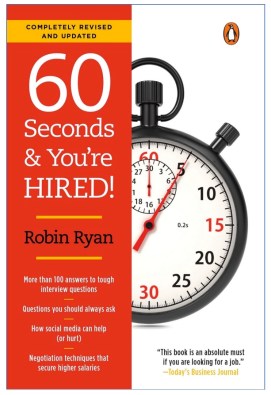 Focusing on Robin Ryan’s “interview tools” such as “the five-point agenda” and “60-second sell,” her book 60 Seconds and You’re Hired ” is inspiring and provides much greater depth (76 pages!) on answering those “thorny” interview questions. Nearly all of the sample questions above are also analyzed, offering easy-to-understand comments and recommendations for specific career paths. For example, Robin Ryan also weighs in on that inquiry “What is your greatest weakness?” – first offering to joke about it “I cannot resist chocolate!” and then, if it is reiterated, endorsing a strategy to share a work habit problem (like being a “Type-A” person) on which you are currently improving but is not critical for the position they are seeking to fill.



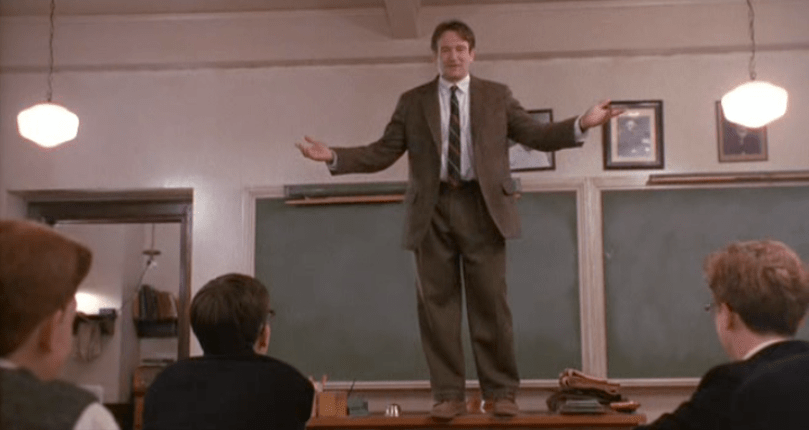

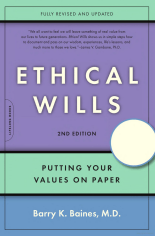 13 years ago, I first learned about an ancient tradition for passing on personal values, beliefs, blessings, and advice to future generations called an “ethical will.” At a subconscious level, I must remember the custom, because when my father was diagnosed with lung cancer in 1990, I asked him to write a letter about the things that he valued. About a month before he died, my dad gave me two hand-written pages in which he spoke about the importance of being honest, getting a good education, helping people in need, and always remaining loyal to family. That letter – his ethical will – meant more to me than any material possession he could have bequeathed.
 Support the people and causes that are important to you.
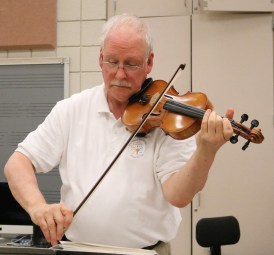 Directing the South Hills Junior Orchestra (non-salaried sharing of my teaching)


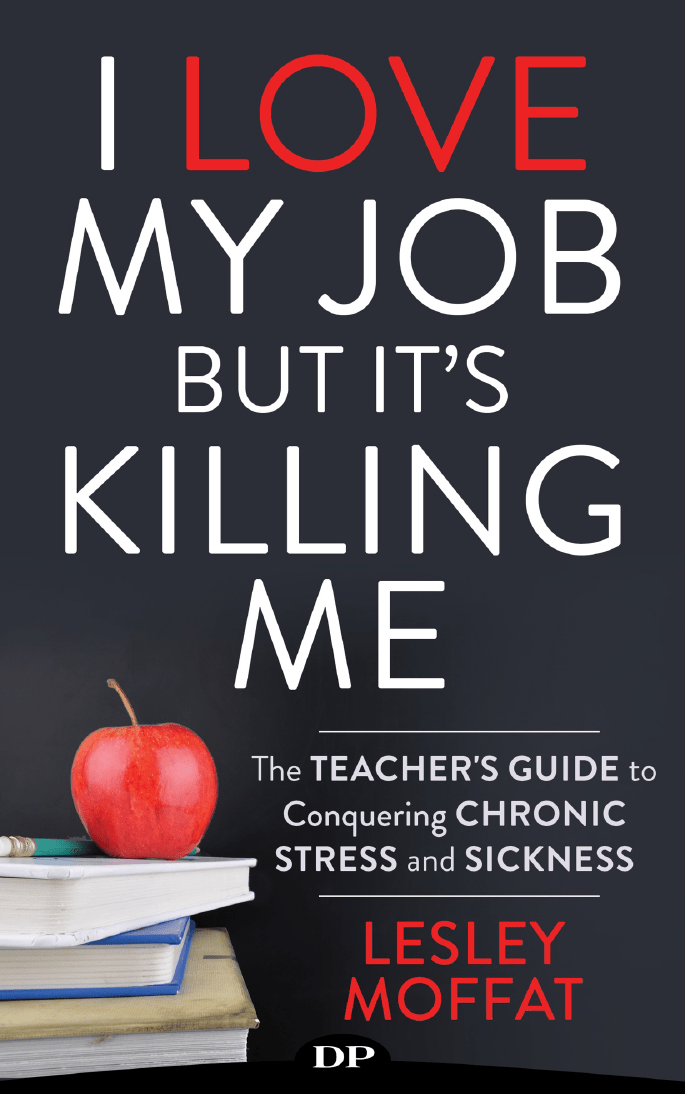




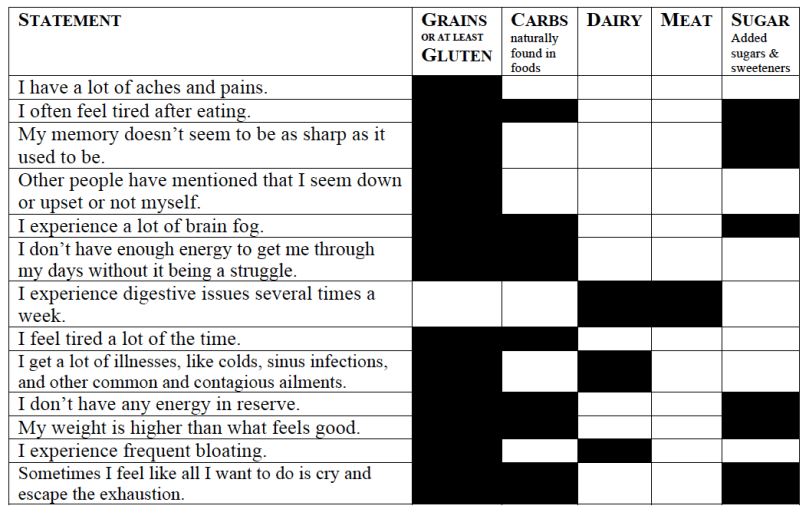

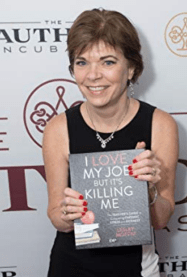 Now in her fourth decade as a high school band director, Lesley Moffat has worked with thousands of people, helping them not only achieve musical goals (including repeated performances at Carnegie Hall, Disney Theme Parks, Royal Caribbean cruise ships, and competitions and festivals all over the US and Canada), but also teaching them how to develop the long-term life skills they need to be successful in the world.

 been discussed about the “what,” “how,” and most recently, “where” of retirement, even issues of “privacy” regarding your decision. For a review of these areas and a bibliography of resources, please visit:







 Karaoke Hack – Play the passage in conjunction with your favorite recording of the piece.


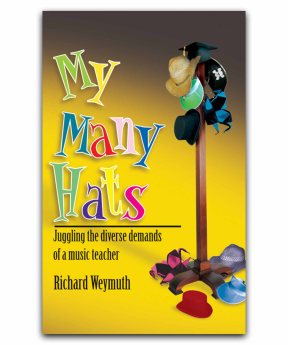 In the category of “things I wishes someone would have told me before I was hired to be a school music educator,” the inspirational book, My Many Hats: Juggling the Diverse Demands of a Music Teacher by Richard Weymuth, is a recommended “first stop” and easy “quick-read.” Published by Heritage Music Press (2005), the 130-page paperback serves as an excellent summary of the attributes (or “hats”) of a “master music teacher.” Based on the photos in his work (great “props”), I would have loved to have seen Weymuth’s conference presentations in person as he donned each hat symbolizing the necessary skill-set for a successful educator.
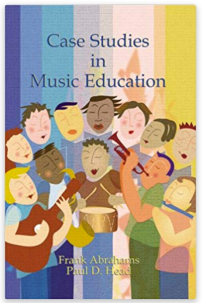 Next, I would like to direct pre-service and new music teachers to Case Studies in Music Education by Frank Abrahams and Paul D. Head. This would be an invaluable aid to “facilitate dialogue, problem posing, and problem solving” from college students (in methods classes?) and “rookie” teachers to veteran educators.
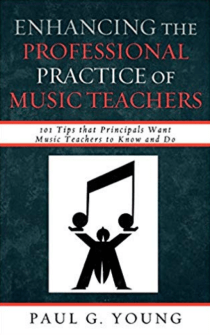 His chapters are organized into six tips:
 The first thing I want you to do (and you don’t even have to be a member of NAfME yet, although you should be!) is to take at least a half-hour, scroll down, and read through numerous NAfME “Music in a Minuet” blog-posts, bookmarking any you want to return to at a later date. Go to





 Supported by Dan Ariely and his team at Timeful (a company acquired by Google), Srinivas Rao writes at
  Easy to set-up
 As musicians and music teachers, this suggestion may hit home: Do something that stimulates your “right brain” with acts of personal self-expression or artistry every day, and schedule it both intentionally and early!
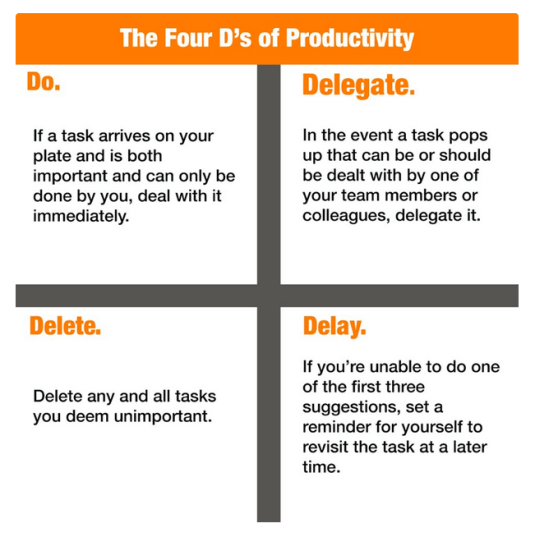
 developing innovations, trends, and movements in their field, and embrace better instructional techniques and use of media for their students!
 The answer is… probably not.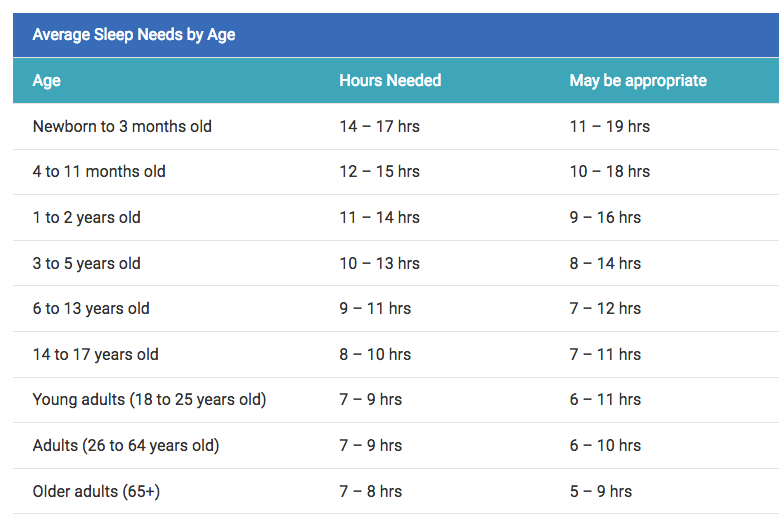
 I remember when I taught full-time and was in the middle of a full-blown musical production, I sometimes laid awake feeling “stirred up” inside trying to think of all the things I needed to do the next day. #5 of Brittney’s list is solved by putting a legal pad and a good pen by your bed stand, and without awakening your spouse, roll over and jot down a few of your “don’t forgets.” Or if you prefer to use the magic of technology, you can do this digitally… take a minute or so and use your tablet or smartphone, but don’t stay up very long and let the screen’s blue-light make your insomnia worse. Revisit title heading #2 above for note-taking apps.
 “Much like Gilligan and his infamous “three hour tour,” what I thought might be a quick clean-out extravaganza turned into an epic, six-month journey through the nether reaches of my closets and my psyche. Along the way, I learned many things from Maeve about organization — and more than a few things about myself that changed my relationship with my stuff.”


 Albert Einstein did not speak until he was four years old and didn’t read until he was seven. HIs teacher described him as “mentally slow, unsociable, and adrift in his foolish dreams.” He was expelled and was refused admittance to the Zurich Polytechnic School.
 The mission of South Hills Junior Orchestra, which rehearses and performs at the Upper St. Clair High School in Pittsburgh, PA, is to support and nurture local school band and orchestra programs, to develop knowledge, understanding, performance skills, and an appreciation of music, to increase an individual member’s self-esteem and self-motivation, and to continue to advance a life-long study of music. Members of the Orchestra learn, grow, and achieve positions of leadership to serve their fellow members.