
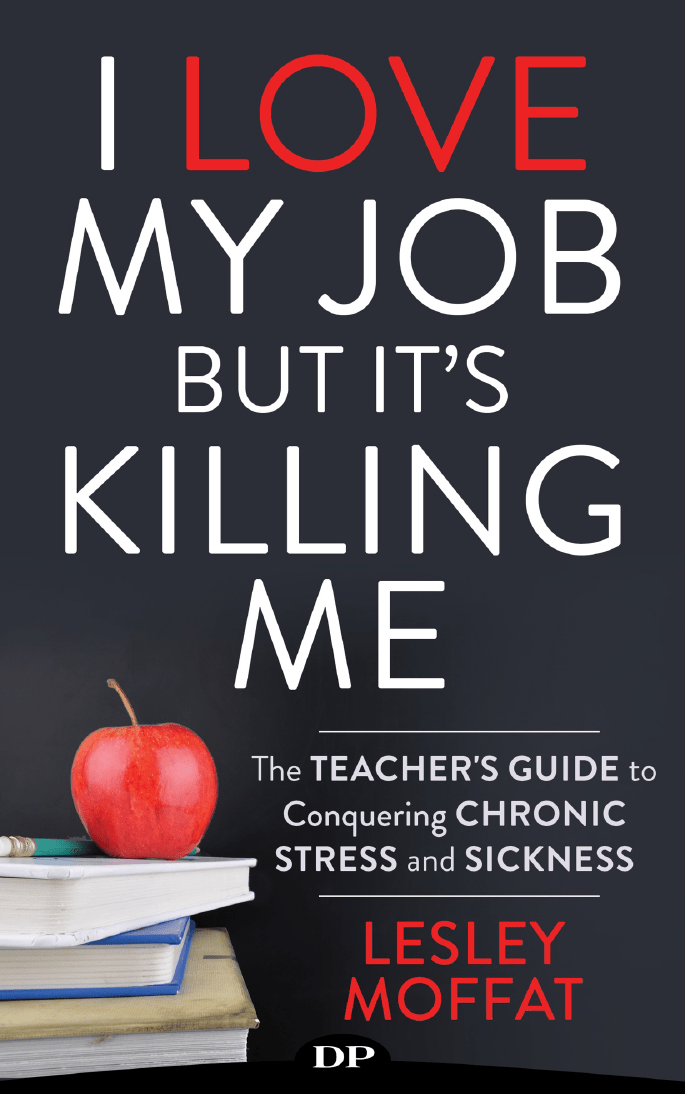
Book Review: I Love My Job But It’s Killing Me – The Teacher’s Guide to Conquering Chronic Stress and Sickness by Lesley Moffat
Have you read this “International Bestseller” written by a band director?
Where was this when I was still teaching full-time, managing a crazy 24/7 schedule of music teaching and administration, fulfilling a myriad of self-assigned extracurricular activities like band, choir, strings, fall play, spring musical, adjudications and festivals?
How many of you struggle to
- Fall and stay asleep?
- Avoid “brain fog” and exhaustion brought on by stress?
- Alleviate (or ignore) aches and pains or illnesses that interfere with your work?
- Reclaim and maintain enough energy to support your work and family life.
- Resolve feelings that your life is falling apart or you are “burned-out?”
Well, instead of sitting around and whining about your hectic schedule or other challenges in your life, ruining your health, mood, and relationships with your family, friends, and students, or “throwing in the towel” and giving up altogether… take a look at this comprehensive guide to walk you through the problem — “baby steps” towards a complete self-care plan — providing assessments and action plans towards better personal health and wellness.
This blog provides a few highlights from Lesley Moffat’s work. You owe it to yourself to break down and buy this inexpensive and easy-to-read paperback! Although it is meant for individuals who are serious about starting a comprehensive self-improvement project, this book is not long nor laborious! With a supposed “read time” of 132 minutes (according to the back cover), I would devote probably a couple weeks to thoroughly consume it. For even more clarity, I have even taken to reading sections of it to my wife, also a retired music teacher! Both of us have “been there” in coping with many of the issues of job-related stress and life-style choices.

The Why — Chapter 12: “Put on Your Own Oxygen Mask First” (Page 109)
After a quick scan of the first couple chapters, I recommend jumping to Chapter 12 to absorb the priority of “me first” in order to be able to care for others. I love the airline safety announcement analogy about “place the oxygen mask on yourself before helping others.” The central focus of her book, this is something I ignored for 35+ years.
You must take care of yourself. First. You can’t give what you haven’t got.
This is perhaps the hardest lesson of all, yet it is so important. Chances are you got where you are because you ran yourself ragged taking care of other people’s needs. I bet you never said no to requests to be on one more committee, drive carpool, watch a friend’s kids, and every other favor someone made of you, yet I’d also bet there’s a good chance you never take the time to take of your own needs. When was the last time you read a book for fun? Or went to a movie you wanted to see? Or pursued a creative endeavor that made you happy? Or any one of a million things you want to do? I bet it’s been a long time. — Lesley Moffat

The Who — Chapter 3: “My Journey” (Page 15)
What an incredible story! Lesley Moffat gets personal and tells her own tale of total exhaustion, lack of mental focus (she calls ADHD), numerous aches and pains, arthritis, weight gain, bouts of illnesses like pneumonia, restless leg syndrome (a sleep disorder), and migraines, needed medical procedures like back surgery, hip replacement, bunion removal, etc. At times, her narratives are explicit and most graphic.
This profession is hard. Until my generation, women weren’t high school band directors, so there were no role models for me to look up to when I struggled with finding a balance between raising a family and having this career path. I had to learn things the hard way and make up my own solutions when there weren’t resources for me to use. My peer group is primarily men. How could my male band directing colleagues relate to my struggles? They may have kids, but they didn’t have to spend nine months making those babies while teaching (an exhausting combination that cost me a miscarriage during a band trip), and then pump breast milk during their planning periods to feed each of those babies for the first six months of their lives. And how many of them had to ask a spouse to make a ninety-minute drive with their newborn baby in the car behind the school buses where the band had to play for basketball playoffs so they could nurse the baby in the bathroom when they weren’t directing the band? — Lesley Moffat
The good news? Moffat reports that after a long and often discouraging search to restore her health and vitality and “to get back to the job I love,” today she has found peace, health, and happiness, and is back in the classroom with a renewed vigor, on her way to fulfilling her personal and professional goals.

The What — Chapter 4: “Let’s Get Started!” (Page 23)
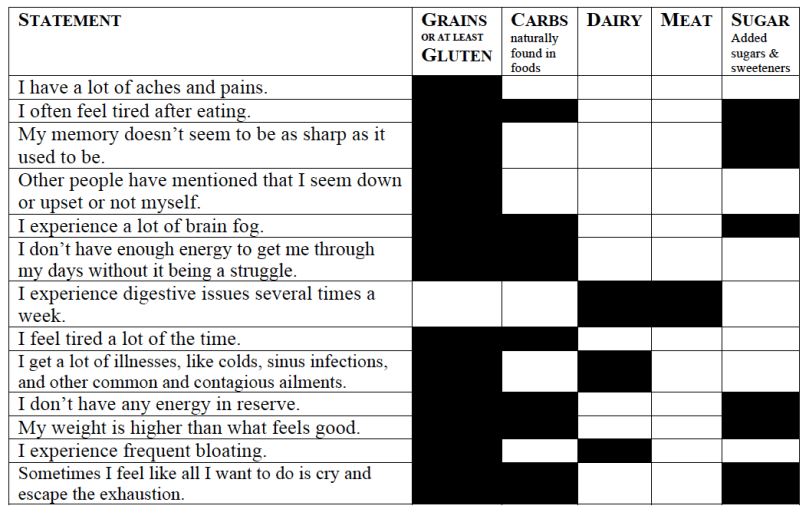
Lesley Moffat introduces her mPower Method (and a perfection alliteration) of four key components: meals, movement, music, and mindfulness. She says it all starts with administering a self-evaluation called the Mojo Meter (sample of the 40 questions below):
- I have a lot of aches and pains. T F
- I often feel tired after eating. T F
- My memory doesn’t seem to be as sharp as it used to be. T F
- Other people have mentioned that I seem down, upset, or not myself. T F
- I experience a lot of brain fog.* T F
- etc.
*She describes examples of “brain fog” more than a dozen times throughout the book. Do you experience any of these symptoms?
Brain fog isn’t a medical condition itself, but rather a symptom of other medical conditions. It’s a type of cognitive dysfunction involving:
- memory problems
- lack of mental clarity
- poor concentration
- inability to focus
Some people also describe it as mental fatigue. Depending on the severity of brain fog, it can interfere with work or school. But it doesn’t have to be a permanent fixture in your life. — https://www.healthline.com/health/brain-fog
In her Mojo Meter assessment, if you answered “true” to 11 or more of these statements, then Moffat responds, “I know why you are here… It’s time to reclaim your health and energy, so get ready to amaze yourself.”

The How — Chapter 9: “SNaP Strategies” (Page 79)
If you want to change your life, first change your mindset. You can’t find opportunity when you are looking for excuses. — Anonymous
Moffat’s “My SNaP Strategies” (Start Now and Progress) will give the reader examples of ways to develop new skills by changing habits one step at a time. Some of my favorites:
- Take a break from social media.
- Seek out opportunities to compliment others.
- Allow someone to go ahead of you in line at the store.
- Set your alarm for nine minutes earlier and use those nine minutes to listen to an inspiring song.
- Turn off notifications on your phone.
In addition, she urges you to “do the homework” and dive into her Action Plans at the end of most chapters.
More Sneak Peeks
- Using the observations you made in the self-administered Mojo Meter forms, the end of Chapter 5 offers an extensive “plan” for evaluating and removing the foods to which you may be allergic. (See above assessment form.)
- I can heartily endorse her suggestion of using a food journal in Chapter 5, keeping track of every food choice and “how it makes you feel.” My wife discovered her sensitivity to gluten, and removing it from her diet has made all the difference!
- One of her funniest anecdotes described her first-days participating in a yoga class! (Chapter 6)
- Do you have on-hand and regularly use specific self-designed music playlists for meals, exercise sessions, and getting ready for bed? (Chapter 7)
- A simple definition (but not so easy acquisition) of “mindfulness” — “being fully present in the here and now.” (Chapter 8)
- Check out her “advice for driving during rush hour” (Chapter 11), tips for staying calm during all stressful moments: slow down, simplify, sense, surrender, self-care.
- On Pages 9 and 10, there are amazing “before” and “after” photos of the author!

Coda: Summary of Advice for Better Self-Care (Chapter 10)
- Take deep breaths when you encounter speed bumps and stop signs during your daily commute.
- Write a cover page to your syllabus outlining appropriate times and methods for parents and students to contact you.
- Have a work space that is exclusively yours, including a “do not disturb” sign, closed door, and/or noise-cancelling headphones.
- Talk to your boss about reasonable expectations, including how many after-school and evening events are anticipated.
- Enlist the help of others (volunteers, boosters, etc.).
- Start your mornings in a way that charges you up for the day.
- Re-evaluate your work space and make changes changes that will be conducive for more efficiency.
- Plan meals and make time to eat them.
- Stay hydrated.
- Incorporate time to upgrade yourself.
- Ask yourself, “Does this choice align with who I am?”
- Come up with a self-care plan that is sustainable.
This is just the “tip of the iceberg” analyzing pathways for improved health and wellness. We are thankful that Lesley Moffat was so bold and open about sharing her own journey. Everyone can “take home” the causation of being “sick and tired of being sick and tired” and wrap their arms around implementing new strategies towards a happier living!
Author’s Bio (excerpts from the book)
Now in her fourth decade as a high school band director, Lesley Moffat has worked with thousands of people, helping them not only achieve musical goals (including repeated performances at Carnegie Hall, Disney Theme Parks, Royal Caribbean cruise ships, and competitions and festivals all over the US and Canada), but also teaching them how to develop the long-term life skills they need to be successful in the world.
Lesley has been a presenter at the National Association for Music Education (NAfME) and WMEA Conferences, served on the board for the Mount Pilchuck Music Educators Association, and has been an adjudicator and guest conductor in the Pacific Northwest.
After completing her undergraduate degree at Indiana University, she returned to her roots and moved back to the Pacific Northwest, where she and her husband, George, raised their three daughters, all of whom were students in her high school band program. Fun fact: Lesley, George, all three of their daughters, and Lesley’s dad have performed at Carnegie Hall.
PKF
Photo credits (in order) from Pixabay.com
-
“bloodshot” by openclipart-vectors
-
“emergency mask” by openclipart-vectors
-
“checklist” by ijmaki
-
“poster” by PublicDomainPictures
-
“dialogue” by openclipart-vectors
-
“practice” by johnhain
© 2019 Paul K. Fox


 been discussed about the “what,” “how,” and most recently, “where” of retirement, even issues of “privacy” regarding your decision. For a review of these areas and a bibliography of resources, please visit:








 Karaoke Hack – Play the passage in conjunction with your favorite recording of the piece.


 In the category of “things I wishes someone would have told me before I was hired to be a school music educator,” the inspirational book, My Many Hats: Juggling the Diverse Demands of a Music Teacher by Richard Weymuth, is a recommended “first stop” and easy “quick-read.” Published by Heritage Music Press (2005), the 130-page paperback serves as an excellent summary of the attributes (or “hats”) of a “master music teacher.” Based on the photos in his work (great “props”), I would have loved to have seen Weymuth’s conference presentations in person as he donned each hat symbolizing the necessary skill-set for a successful educator.
 Next, I would like to direct pre-service and new music teachers to Case Studies in Music Education by Frank Abrahams and Paul D. Head. This would be an invaluable aid to “facilitate dialogue, problem posing, and problem solving” from college students (in methods classes?) and “rookie” teachers to veteran educators.
 His chapters are organized into six tips:
 The first thing I want you to do (and you don’t even have to be a member of NAfME yet, although you should be!) is to take at least a half-hour, scroll down, and read through numerous NAfME “Music in a Minuet” blog-posts, bookmarking any you want to return to at a later date. Go to





 Supported by Dan Ariely and his team at Timeful (a company acquired by Google), Srinivas Rao writes at
  Easy to set-up
 As musicians and music teachers, this suggestion may hit home: Do something that stimulates your “right brain” with acts of personal self-expression or artistry every day, and schedule it both intentionally and early!
 developing innovations, trends, and movements in their field, and embrace better instructional techniques and use of media for their students!
 The answer is… probably not.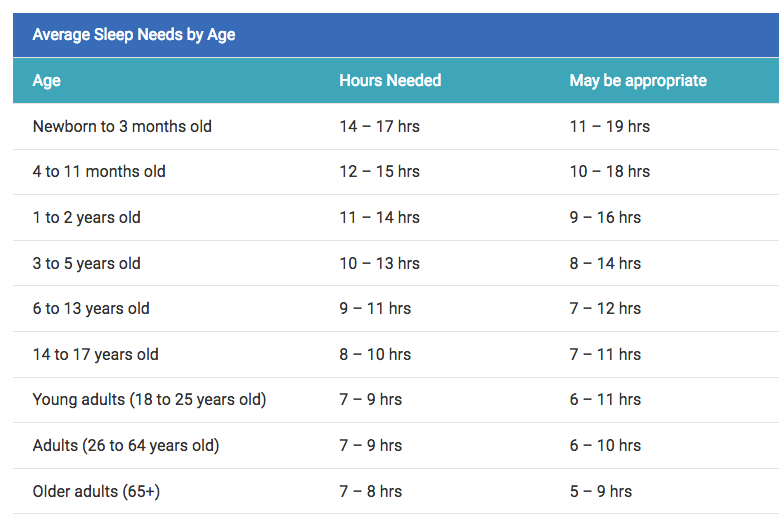
 I remember when I taught full-time and was in the middle of a full-blown musical production, I sometimes laid awake feeling “stirred up” inside trying to think of all the things I needed to do the next day. #5 of Brittney’s list is solved by putting a legal pad and a good pen by your bed stand, and without awakening your spouse, roll over and jot down a few of your “don’t forgets.” Or if you prefer to use the magic of technology, you can do this digitally… take a minute or so and use your tablet or smartphone, but don’t stay up very long and let the screen’s blue-light make your insomnia worse. Revisit title heading #2 above for note-taking apps.
 “Much like Gilligan and his infamous “three hour tour,” what I thought might be a quick clean-out extravaganza turned into an epic, six-month journey through the nether reaches of my closets and my psyche. Along the way, I learned many things from Maeve about organization — and more than a few things about myself that changed my relationship with my stuff.”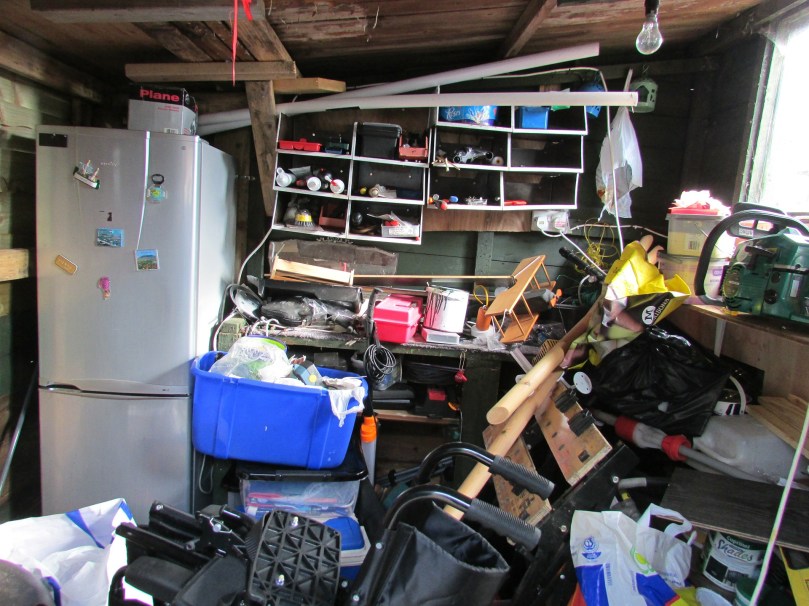


 Albert Einstein did not speak until he was four years old and didn’t read until he was seven. HIs teacher described him as “mentally slow, unsociable, and adrift in his foolish dreams.” He was expelled and was refused admittance to the Zurich Polytechnic School.
 The mission of South Hills Junior Orchestra, which rehearses and performs at the Upper St. Clair High School in Pittsburgh, PA, is to support and nurture local school band and orchestra programs, to develop knowledge, understanding, performance skills, and an appreciation of music, to increase an individual member’s self-esteem and self-motivation, and to continue to advance a life-long study of music. Members of the Orchestra learn, grow, and achieve positions of leadership to serve their fellow members.




 To “wrap-up” our final segment, we will review the development of a professional “marketing plan.” This is blog #3 out of 3. (Be sure to also check out
 Shama Hyder posted “7 Things You Can Do to Build an Awesome Personal Brand” at
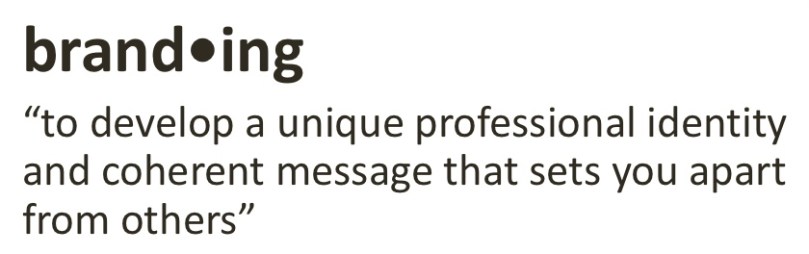
 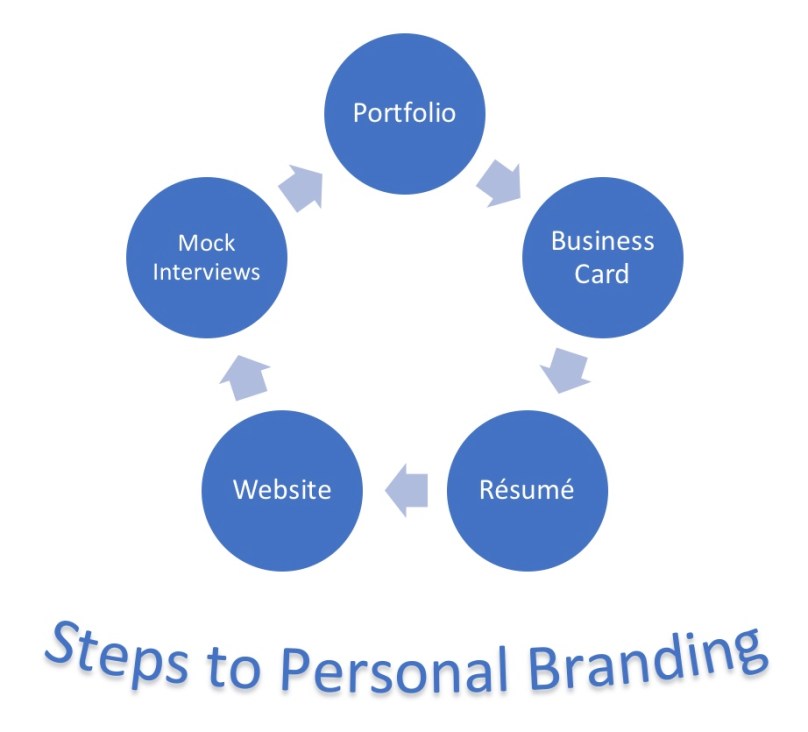 The branding process involves first developing your philosophy of music education, archiving your awards and accomplishments, documenting your grades and
  experiences, and collecting stories/personal anecdotes of your strengths. The next steps include the creation of a written and electronic portfolio, business card, resume, and website. Finally, you must compile/assemble everything together and practice (and self-assess) your “story-telling skills” to answer those important questions at well-rehearsed “mock interviews.”
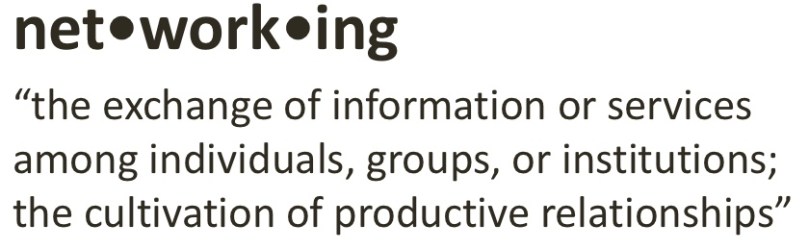
 As I laid out in a previous blog “Networking Niceties: The ‘How-To Schmooze’ Guide for Prospective Music Teachers” at
  The above blog-post also explores setting up a good organizational system to manage your professional contacts.
 PMEA Pennsylvania Music Educators Association, or another state’s NAfME-affiliated MEA
 Self-reflection of the professional’s teaching practices and modification of these as needed to match changes in the environment and circumstances

 Before long, you will shed the label and function of a “college student” (although still remaining a life-long learner… and never stop the quest for new knowledge and self-improvement!). The focus will shift from YOU to YOUR STUDENTS. The prerequisites for a career in education are unique and do not resemble the same challenges as success in business, manufacturing, retail, service industry, or becoming an entrepreneur, blue-collar worker, or even a composer or professional musician. The sooner you realize these are world’s apart, the better, and now is the time to finish your major and life-changing transformation to… a professional music educator.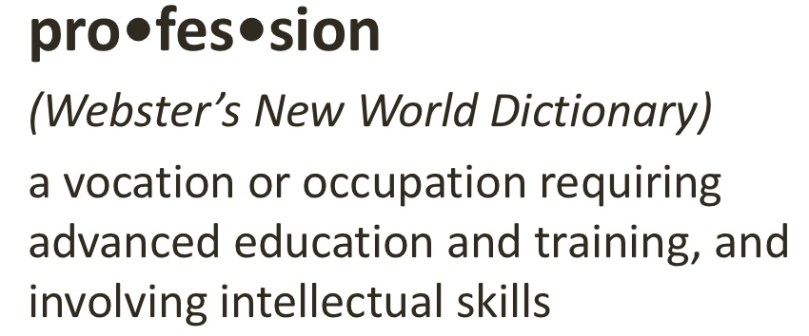
 Updates self with “constant education” and retooling
 Cooperation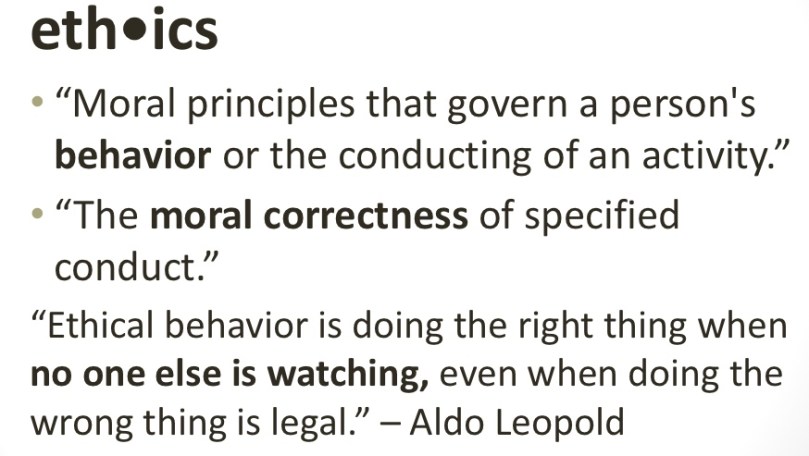
 National Association of State Directors of Teacher Education and Certification proposes these principles:
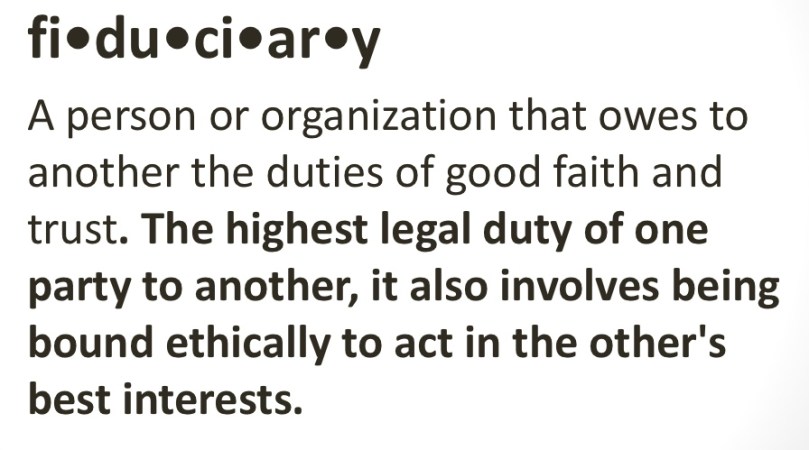 Here’s another query. What five groups of people are both “professionals” and “fiduciaries…” and have a legal responsibility to serve the best interests of their “clients?” The answer is… doctors/nurses, lawyers, counselors (both mental health and investment), the clergy, and… teachers.
  Although teachers seem to be the only one of these who DO NOT have formal pre- or in-service ethics training, and our “charges” represent a “captive audience,” our duty is clear: to act as a fiduciary for our students’ best interest, and to create and maintain a safe environment for them at all times.
 What do you believe about teaching?
 Take time to peruse these and others. Most of these sites also offer excellent examples of personal branding and marketing of the prospective job hunters’ experiences, skills, and achievements… material for our next blog on this topic.


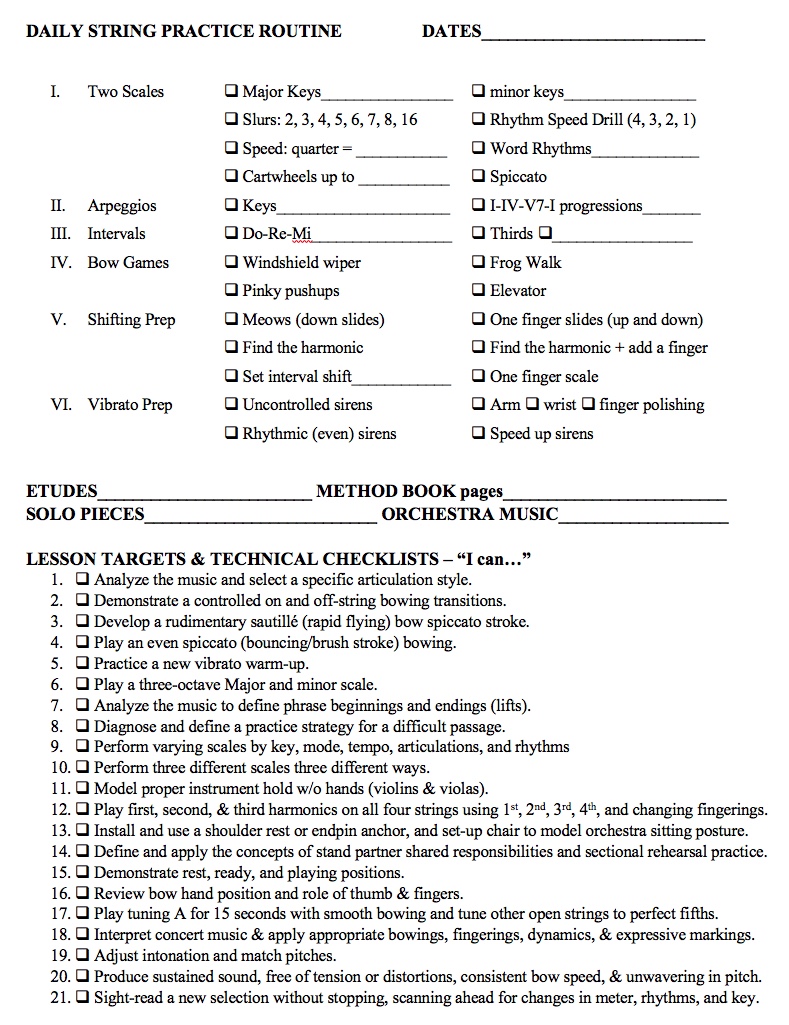
 In your “customized” journal, I recommend leaving space for metronome markings, special articulations, practicing tips and instructions (like “repeat it three-times-in-a-row perfectly” or “work on measures #1-8 today, #5-12 tomorrow,” etc.) and time spent. Remember, you are a problem solver and seek ways to integrate your “tool box of tricks” to learn each challenging passage. What works for you? What doesn’t? That’s the true magic of a journal… in with the good, and out the bad!
 paulfox.blog