

Making Digital Music, Money and Merchandising!
We welcome back guest blogger Ed Carter and his article on a subject I know next-to-nothing about… except that I, too, am a consumer of online media. We thank him for his research and insight! (Featured image by Freepik). PKF
TL;DR
Musicians today are diversifying income streams far beyond traditional gigs and streaming
royalties. From sync licensing and sample packs to branded teaching content and micro-
niche merch, the modern artist’s toolkit is packed with opportunity. Below, we explore 10
ways to earn more — creatively, sustainably, and independently.
Host Micro-Events and “Living Room” Concerts
Forget stadium tours. Many fans crave intimacy. Many online platforms let artists perform
in unconventional venues — apartments, cafes, or backyards. You can set your own prices,
meet new fans directly, and keep the lion’s share of the door revenue.
Checklist for a Successful Small Show:
- Pick a host with good acoustics and space for 20–40 people
- Bring a small merch table (vinyl, zines, handmade items)
- Capture the set for future promo content
- Ask for tips digitally (Venmo or QR code)
Start a Music-Related Side Business
If you’re ready to formalize your music venture — whether selling courses, beats, or
branded merch — start it as a small business entity.
Launching a business might sound intimidating, but it doesn’t have to be. With an all-in-one
platform like ZenBusiness, you can form an LLC, manage compliance, create your website,
and even track finances in one place. A structured setup means tax deductions, legal
protection, and scalable growth.
License Your Music for Sync (Film, TV & Games)
Sync licensing has exploded. Sites like Epidemic Sound connect independent artists with
producers, ad agencies, and filmmakers. A single placement can earn $500–$5,000.
Pro Tip: Tag your tracks with clear mood and genre descriptors (e.g., uplifting cinematic
pop) so curators find you faster.
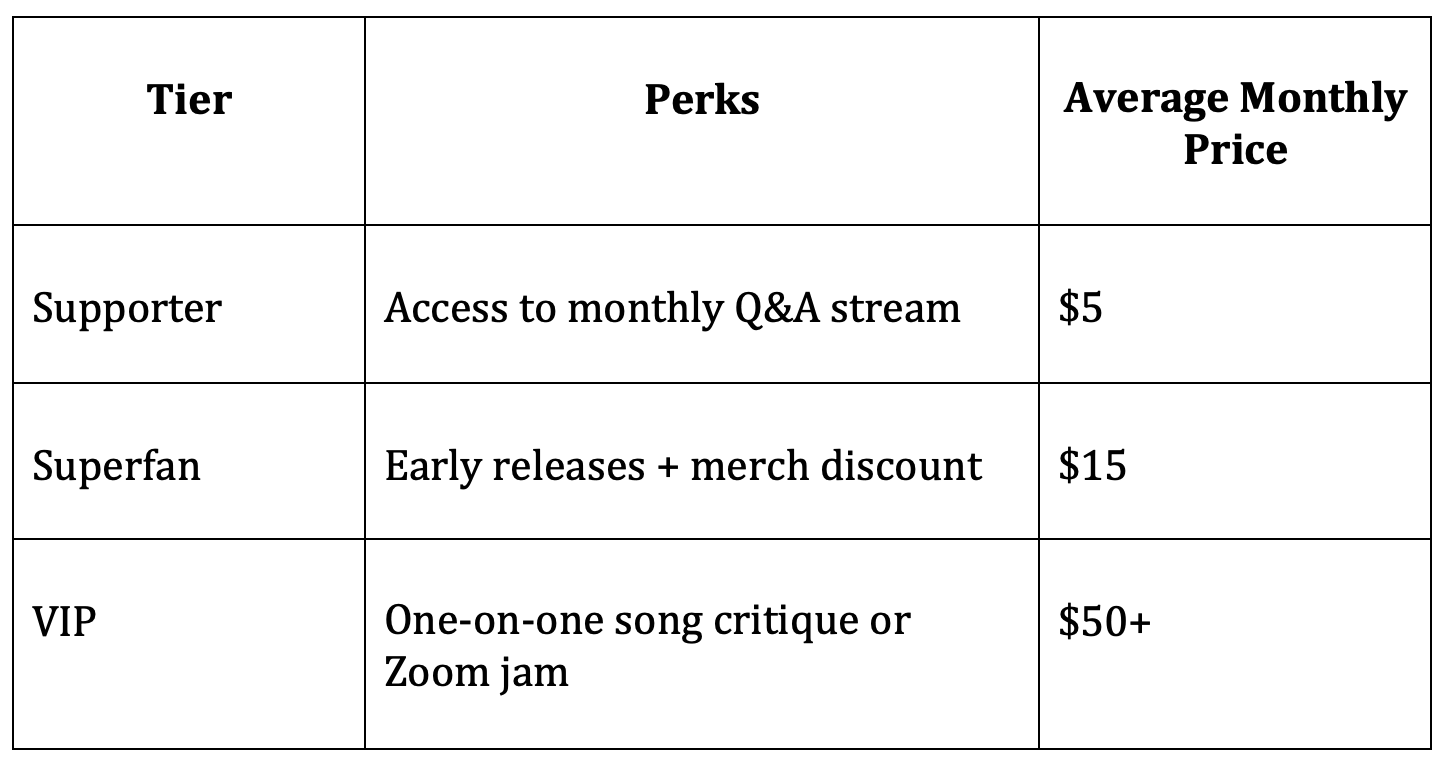
Offer Fan Subscriptions
Platforms like Bandzoogle let musicians monetize loyalty, not just streams. Offer behind-
the-scenes videos, early demos, or private songwriting sessions.
Create & Sell Sample Packs
If you produce, you can sell your drum kits, synth presets, and loops. Marketplaces like
Noiiz let you upload your sounds and get royalties whenever producers use them.
How-To (Mini Guide):
- Curate your 50–100 best loops or hits.
- Label by BPM, key, and genre.
- Include a “demo track” showing them in action.
- Submit to platforms or sell directly on your site.

Teach (Without Leaving Your Studio)
Music education is booming online. Start by offering short video lessons on YouTube. Build
a following, then convert viewers into paying students.
Bullet List: Why Teaching Works
- Generates recurring income
- Builds your authority as a musician
- Introduces new fans to your music
License Your Merch to Other Creators
Many artists overlook merch licensing. Your designs, logos, or slogans can appear on third-
party apparel via dropship sites like Redbubble.
Offer limited-run designs — scarcity sells.
Join Micro-Sync & Creator Libraries
YouTube creators and podcasters constantly need affordable background music. Sites like
AudioJungle pay per download or license. Even better: some offer recurring revenue if your
track gets consistent usage.
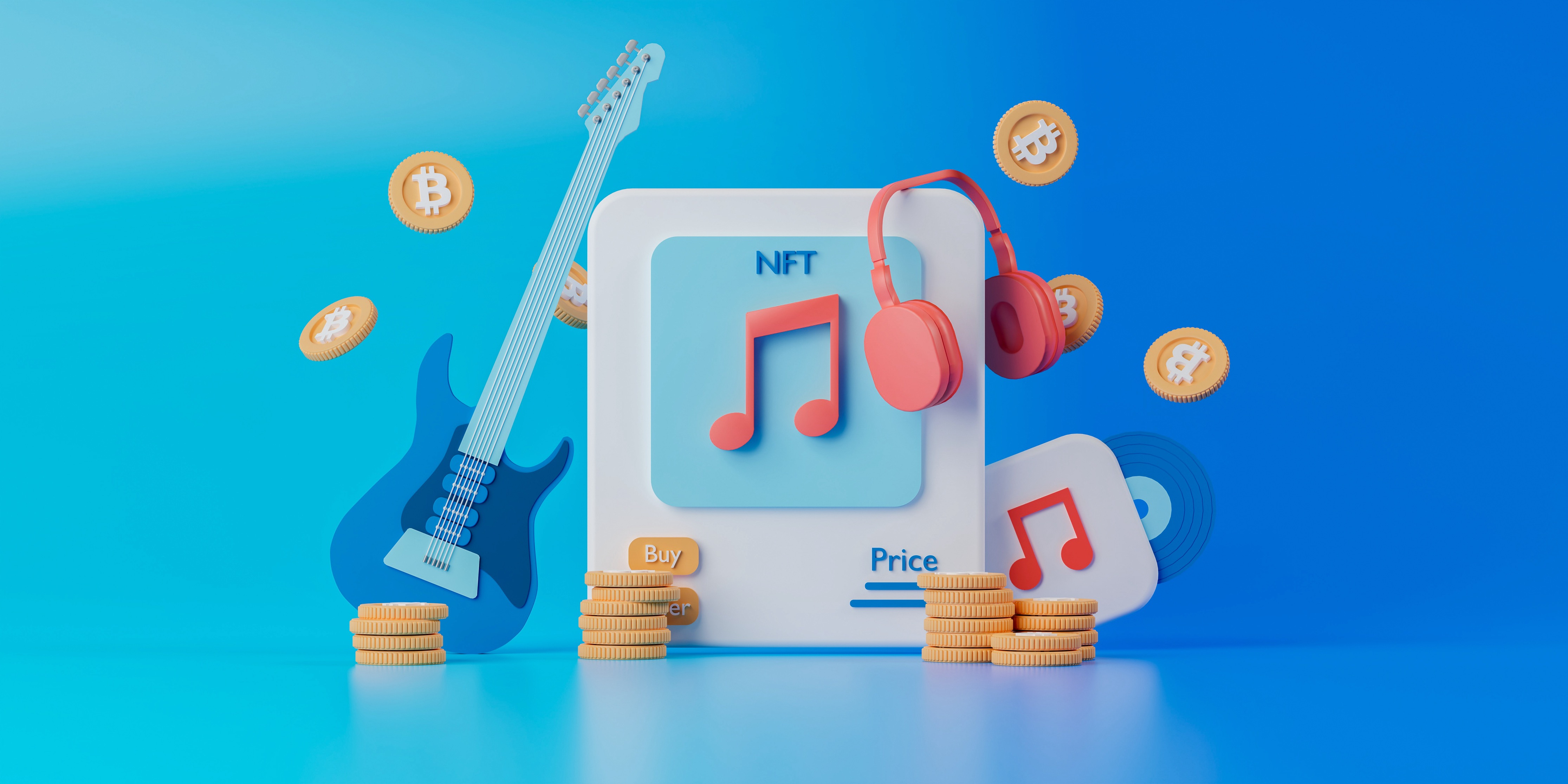
Sell Exclusive Content NFTs or Digital Collectibles
Though the NFT buzz has cooled, niche fan communities still buy one-of-a-kind assets —
unreleased demos, lyric art, or collectible stems. Marketplaces like Zora make it musician-
friendly again.
Offer Mixing, Mastering, or Session Work
You don’t have to be touring to make great money. Offer your technical expertise on
SoundBetter. Even basic editing jobs can supplement your main income stream — and help
you network globally.
FAQ: Quick Answers for Indie Artists
Do I need a large following to make real money?
No. Many creators with <1,000 dedicated fans make sustainable income by diversifying — think 10 income streams, not 10,000 followers.
What’s the best income path for producers?
Sync licensing and sample packs. They scale globally without physical touring.
Should I register my brand name as a business?
Yes, especially if you sell products or hire collaborators. Forming an LLC can protect your
personal finances and simplify taxes.

Glossary
- Fan Subscriptions: Ongoing payments from fans for exclusive content.
- LLC: A “Limited Liability Company” — a legal structure separating your business
and personal assets. - Micro-Sync: Low-cost music licensing for YouTubers, podcasts, and small ads.
- NFT (Non-Fungible Token): A unique digital identifier recorded on a blockchain that serves as a public certificate of ownership and authenticity for a specific digital or physical asset. Artists and creators can use NFTs to distribute their work, engage with fans, and potentially earn royalties from secondary sales, providing a new revenue stream.
- Sample Pack: A bundle of sounds and loops producers can buy and reuse.
- Sync Licensing: Letting TV, film, or brands use your music for a fee.
Conclusion
The modern musician’s mantra? Don’t wait for discovery — build income like an
entrepreneur. With smart licensing, direct-to-fan models, and structured business tools, you
can turn your creativity into stability — one micro stream at a time.
Check out other articles by Guest Author Ed Carter at this blog site:
- Bigger Dreams, Bigger Home – How Retirees Can Upsize for Homesteading and Hosting
- Wander with Whiskers – How to Become a Digital Nomad with a Pet in Tow
- Returning to the Classroom in Retirement – Smart Planning for a Fulfilling Experience
- Monetizing Our Skills and Passions – Creative Ways for Musicians to Make Money Beyond Gigs
- Unleashing Your Sound – A Musicians Guide to Making Waves and Gaining Fans
- Music and Literacy Skills – How to Use One to Improve the Other
- Do You Have a Side-Gig? Four Tips for Artists Seeking An Extra Income Stream.
© 2025 by Paul K. Fox and Ed Carter






 paulfox.blog