
Stories from a Wheelchair Jockey
“Wherever you turn, you can find someone who needs you. Even if it is a little thing, do something for which there is no pay but the privilege of doing it. Remember, you don’t live in the world all of your own.”
— Albert Schweitzer
“You make a living by what you get. You make a life by what you give.”
— Winston Churchill
“Volunteers are the only human beings on the face of the earth who reflect this nation’s compassion, unselfish caring, patience, and just plain loving one another.”
— Erma Bombeck
Besides spending more time with family and friends, the most precious benefit of the freedom afforded to you “living the dream” in retirement is… (drum roll, please)… becoming eleemosynary! (Look it up!) It’s crucial to make it a priority to give back to your community!
I wrote an article in our local community magazine UPPER ST. CLAIR TODAY. (Yes, I guess I’m bragging a bit – find it here on page 20 and you’ll see pictures of my Pirate costume for escorting at the hospital and holding my doggies!) I cite many reasons for becoming a volunteer. (Disclaimer: Some of the statistics below are a few years old, but you get the idea… The trend is ever-growing!)
The Surge of Volunteerism
Did you know?
- There are 77.4 million volunteers in America alone.
- 6.9 billion volunteer hours were recorded in 2018 (last Volunteer Demographic Statistics/National & Community Service Report)
- 33.8% of the female population and 26.5% of the male population volunteer
- 30.7% of Baby Boomers (1944-1964) who are U.S. residents volunteer
- 36.4% of Gen X (1965-1979) U.S. residents volunteer – the winning group!
- 28.2% of Millenial (1980-1996) U.S. residents volunteer
- 25% of Americans use their free time to volunteer – https://www.trackitforward.com/content/use-these-volunteer-stats-boost-your-volunteer-program
- But 15% of the volunteers do the majority of the volunteering – https://www.trackitforward.com/content/guess-what-percent-volunteers-do-most-volunteering
My home state Pennsylvania does its fair share, too. These figures are from AmeriCorp:
- 3,506,834 PA volunteers contribute 341.0 million hours of service
- 34.2% of PA residents volunteer, ranking them 21st among states
- Volunteer service worth an estimated $8.2 billion
- 98.8% of PA residents regularly talk or spend time with friends and family
- 58.9% of PA residents do favors for neighbors
- 22.1% of PA residents do something positive for the neighborhood
- 33.4% participate in local groups or organizations
- 59.8% of PA residents donate $25 or more to charity
Volunteering and Wellness
Volunteering has been documented to be good for your physical and mental wellness. Do you need any convincing? According to Track-It-Forward at https://www.trackitforward.com/content/use-these-volunteer-stats-boost-your-volunteer-program:
- Volunteering connects you with your community, which can lower the morality rate by 2.7%.
- Volunteering helps physical health – including decreasing the likelihood of high blood pressure development by 40%.
- Volunteering can help decrease high-stress levels, anxiety, or depression.
- Volunteering increases self-confidence and self-esteem by 6%.
- 96% of volunteers claim they feel a sense of purpose, therefore happier and healthier!
I recently found this website with more detailed rationale offered by Volgistics – Volunteer Logistics at https://www.volgistics.com/blog/volunteering-good-for-health:
Mental and Emotional Benefits of Volunteering
- Connects you with other people
- Allows you to contribute to a cause
- Gets you out of the house
- Connects you to the community
- Reduces depression and stress
- Improves self confidence
- Boosts happiness
- Encourages learning
Physical and Health Benefits of Volunteering
- Encourages physical activity
- Lowers your blood pressure
- Promotes heart health
- Extends your life
If you have any doubts about WHY you should volunteer, revisit my August 2021 blog “Those Were the Good ‘Ol Days – The E in RETIREMENT is for Energy, Engagement, Excitement, and Endurance” here. For retirees everywhere, this is worth repeating.
“It has been suggested that one problem of retirement is that one no longer matters; others no longer depend on us… The reward of retirement, involving a surcease from labor, can be the punishment of not mattering. Existence loses its point and savor when one no longer makes a difference.”
– Rosenberg and McCullough
We learn from Revitalizing Retirement: Reshaping Your Identity, Relationships, and Purpose by Nancy Schlossberg that for retirees, it is important to feel “needed” and that pursuits that foster “mattering” are crucial to a positive self-esteem, good mental health, and stable life balance.
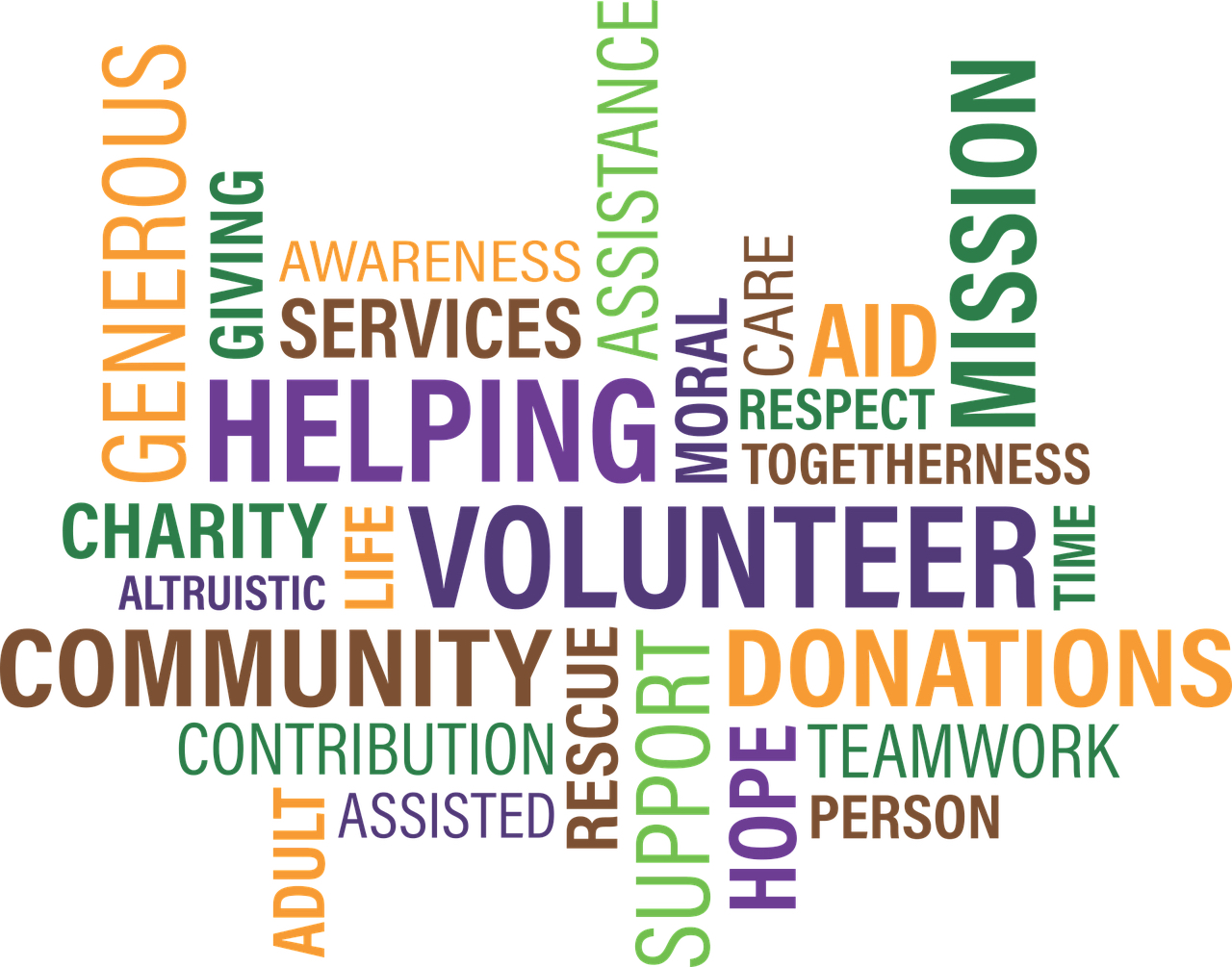
What to Do with Your Free Time?
This, too, has been covered in past blog-posts, conference sessions, webinars, and articles in PMEA News. A quick recap:
- Walk dogs at animal shelter
- Assist food banks and meals-on-wheels agencies
- Enlist as special advocate for abused or neglected children
- Work as a hospice volunteer
- Maintain parks, trails, nature habitats, or recreation centers
- Host an international student
- Assist at local hospital, senior center, or nursing home
- Serve in charity fund-raising projects
- Become a youth director, mentor, or scout leader
- Share your hobby or experiences in a specialty and teach night classes or summer school
- Give guided tours or lectures as a docent at a local museum
- Apply office management and clerical skills to benefit libraries and other nonprofit associations
- Run a school club or coach a sport

A quick scan of the website https://www.volunteermatch.org/ would fetch many specific volunteer job openings (these for the Pittsburgh, PA area where I live):
- Provide hospitality at Pittsburgh sporting events
- Serve coffee and snacks at winter warming stations
- Write articles or submit photographs to local publications and e-media
- Visit hospice patients and provide other free-care services
- Crochet, knit, or sew blankets for needy families
- Connect with local veterans
- Manage nonprofit events and organizations
- Ring the Salvation Army kettle bells all year long
- Mentor an underserved child (everything from athletics to computer skills)
- Make weekly reassurance calls or personal welfare checks of senior citizens
- Become a delivery driver of “care packages” of food, baby items, pet necessities, household items, and more
Retired music educators have an advantage, a valued skill which also represents their “calling” and “life’s work” – fostering creative self-expression. There’s so much “we” can do to “bring on more music” in our community, and if you wish, several of these may provide supplemental income:
- Performing gigs locally
- Directing community or church ensembles
- Accompanying community or church ensembles
- Coaching/assisting local music programs
- Teaching college music education methods or supervising student teachers
- Composing/arranging music
- Adjudicating or guest conducting music festivals
- Serving in the music industry
The best part of retirement is you can say “NO” anytime you want. You can cut out any perceived drudgery, routine “chores,” and excessive paperwork that “the institution” may demand, but still assist in collaborating and sharing your experience, expertise, vision in working with “the kids.” You can continue to develop your own personal artistry (now with more time to practice) and leave your “musical stamp” on other programs and projects whenever and wherever you please.
Adventures in Volunteer Escorting
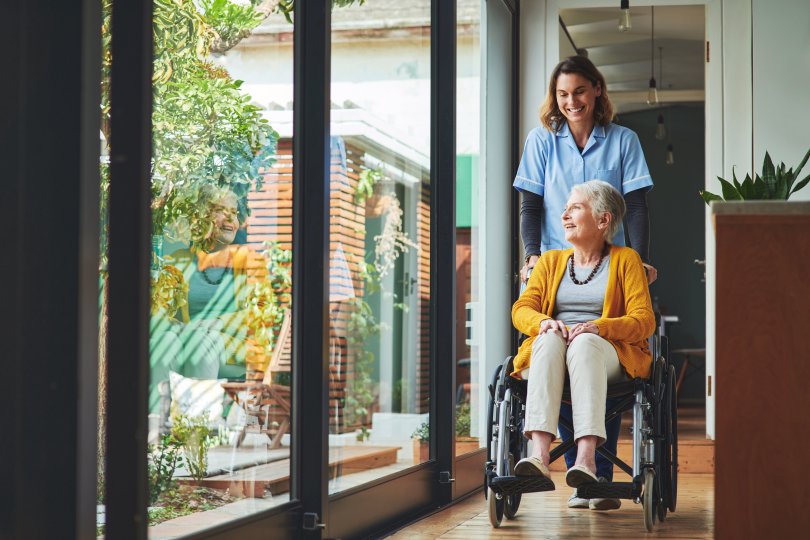
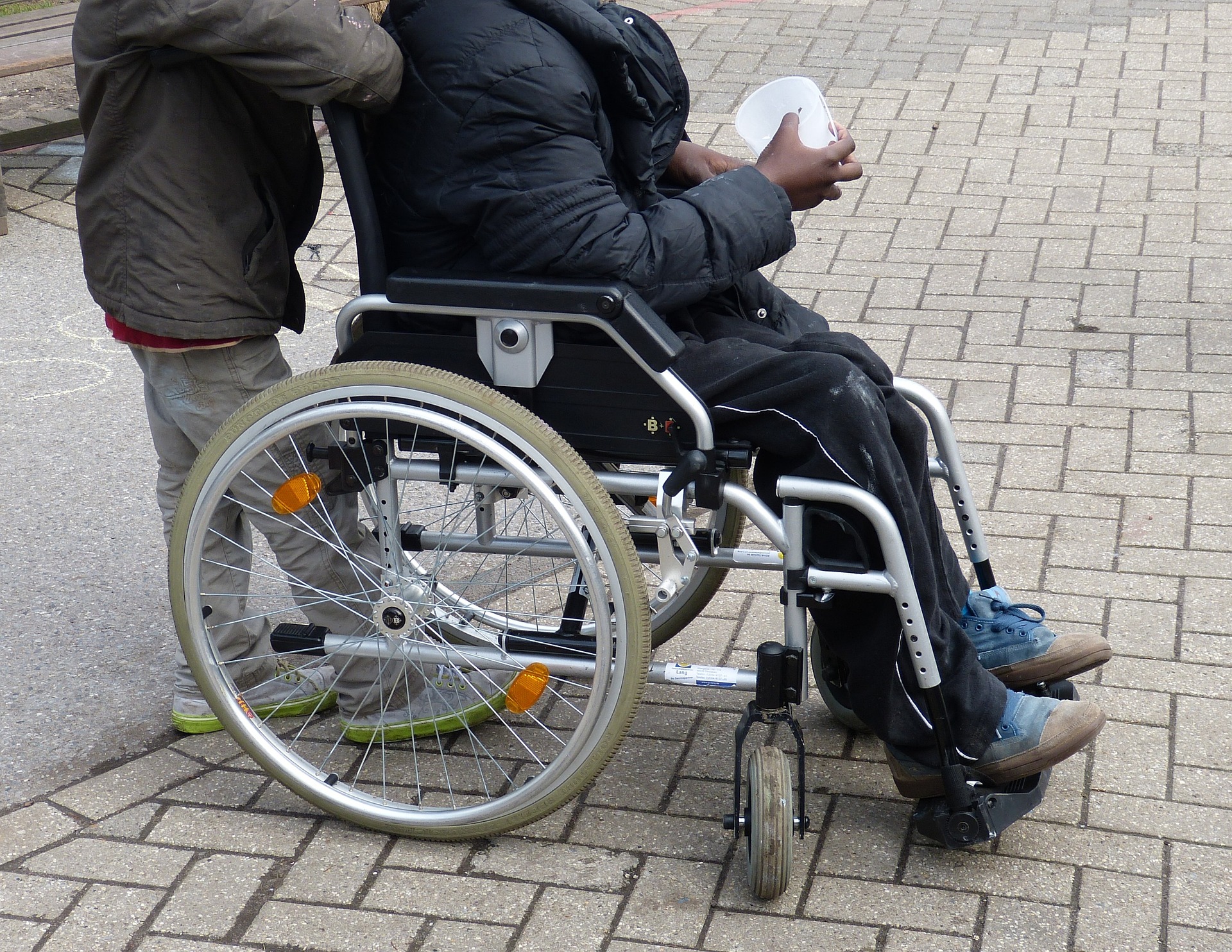
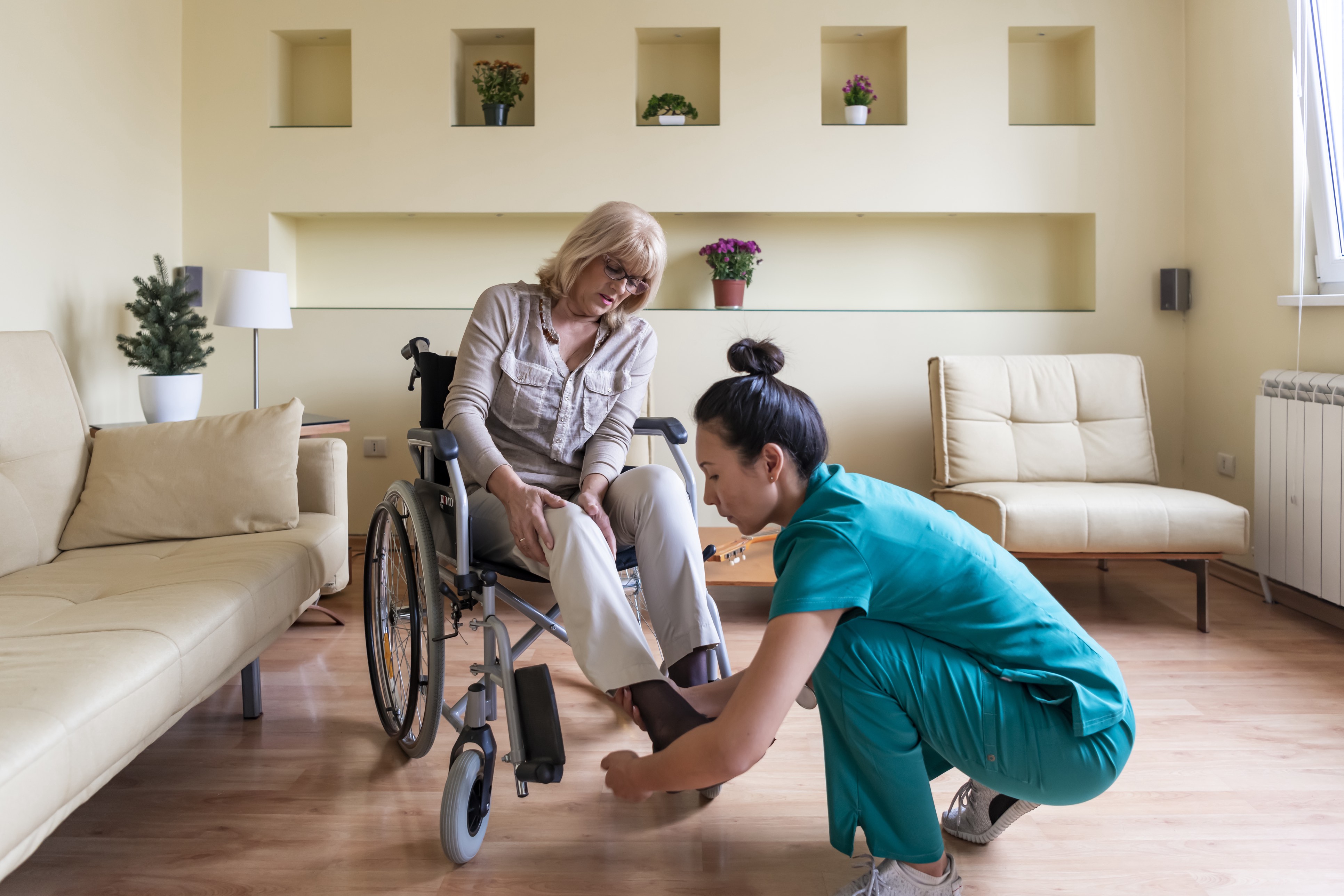
Every hospital, outpatient facility, and senior nursing/assisted living center I know needs volunteers… a lot of able-body helpers. Have you considered lending a hand in pushing patients to/from their procedures, discharges, etc. in your community? I have, and it is truly a joyful experience.
For two days a week, I spend the better part of my day at St. Clair Health in Mt. Lebanon/Scott Township in the South Hills area of Western PA. (If you live in the area, visit their website here.) Although on occasion, I get to visit the Family Birth Center (my favorite) and hospital rooms to help check out patients, most of my shift is assigned to the Dunlap Family Outpatient Center, a new state-of-the-art facility (opened in May 2021 – still has that “new car” smell) for “in and out” procedures. It would not be an exaggeration that I escort as many as 50 individuals per day undergoing outpatient surgeries, endoscopies, colonoscopies, or other diagnostic testing, along with an equal number of family members to/from the treatment rooms. On a given Thursday or Friday, I can check my Apple Watch and iPhone digital health monitors and find I take as many 17,000 steps!
The best part? Do I have to tell you that since I retired to the same basic geographic area in which I spent my entire career, how many of my school colleagues, former students, and their parents I have discharged? One thing you realize helping out in your hometown (the place you taught all those years)… you will run into many of your former “charges” now grown up with kids of their own. It is a real joy to see them again (albeit due to the need for a colonoscopy or surgical procedure), and catch up with all those shared memories, their life’s happenings and successes, and future dreams.

So many stories…
Several weeks ago, I brought down to the main floor a delightful lady from our pre-post anesthesia unit to connect with her ride home, and I saw her driver was in a Uber-lit-up car. I remarked to the patient, “Wow, the only Uber driver I ever knew was one of my former choral students named Lisa…” and sure enough, that’s who came to pick up her mother-in-law. Even though we always wear masks in the hospital, I guess my Upper St. Clair HS marching band “broadcaster’s voice” is recognizable, and countless people in the lobby (usually accompanying family members) stop me, “Hey, is that you Mr. Fox?” Of course, HIPPA dictates we never repeat their identities or any confidential information…
Being a music teacher, I cannot help myself. My mission is to be “the distracter” – divert their attention from the inevitable? – and to help calm, reassure, and perhaps even entertain the patients for a few moments transitioning through those awkward (and sometimes fearful) medical procedures. They need a bright, cheerful, and funny if not somewhat crazy escort. I provide the jokes and the songs!
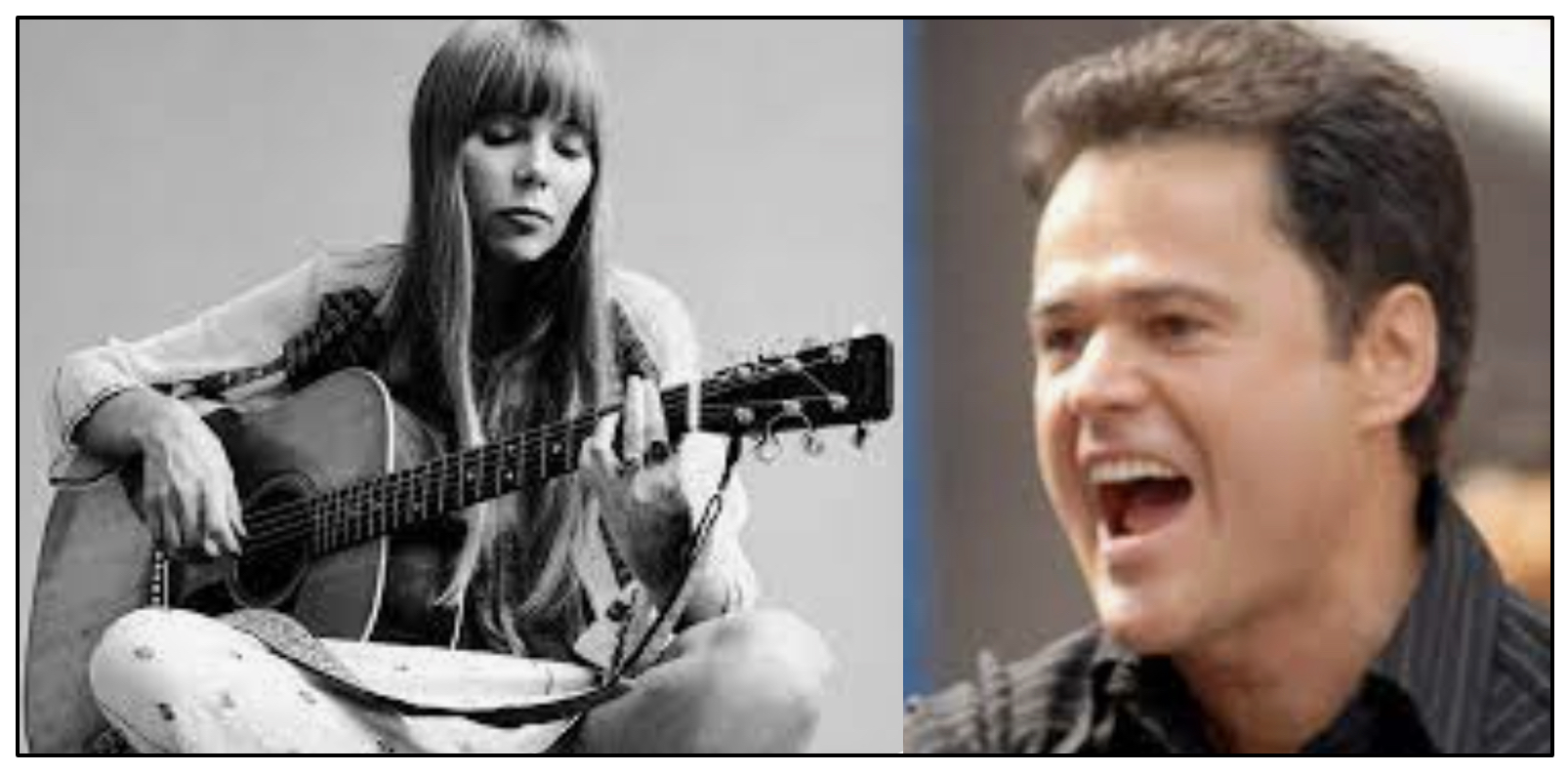
One day, I was literally singing Maria from West Side Story while pushing Maria-the-patient to her endoscopy, and another person walking with us for her own test said, “Well, it’s nice you are singing to us. But, my name is Sharon, and they don’t have a song for my name. No, Sharona is NOT my name,” she added with emphasis! After I took both ladies to their respective rooms, I had to do some research, but came back after Sharon was prepped and received her IV waiting for the doctor. “You forgot about The Song for Sharon composed and sung by Joni Mitchell,” I said (perhaps not my favorite example from the artist’s albums).
The hallway from the waiting room to the procedure suites is long and offers time for my style of “interaction and distraction.” Another funny episode, I was escorting two men to their appointments in the outpatient surgery unit. To the first, I said, “Did you know they wrote an entire musical featuring your name? Joseph and the Amazing Technicolor Dreamcoat. He replied he had never heard of it. I sang a few bars of several theme songs, and told him to look up Donny Osmond’s Close Evr’y Door and other tunes from the show. We were almost at the nurse’s station when the second gentleman turned to me and said, “Don’t you dare!” I looked down at my call slip and saw his name was George, and searched my mind. What song could was he concerned about? “Oh, oh, not that cartoon theme George of the Jungle? ending with the lyrics “…watch out for that tree?” He told me he was tormented mercilessly by his brothers, sisters, son, daughter, and now the grandchildren re-enacting painful renditions of “his song!” In this quiet, pristine, antiseptically-clean environment, we all took a moment and enjoyed a good horse laugh together (even the head nurse)!
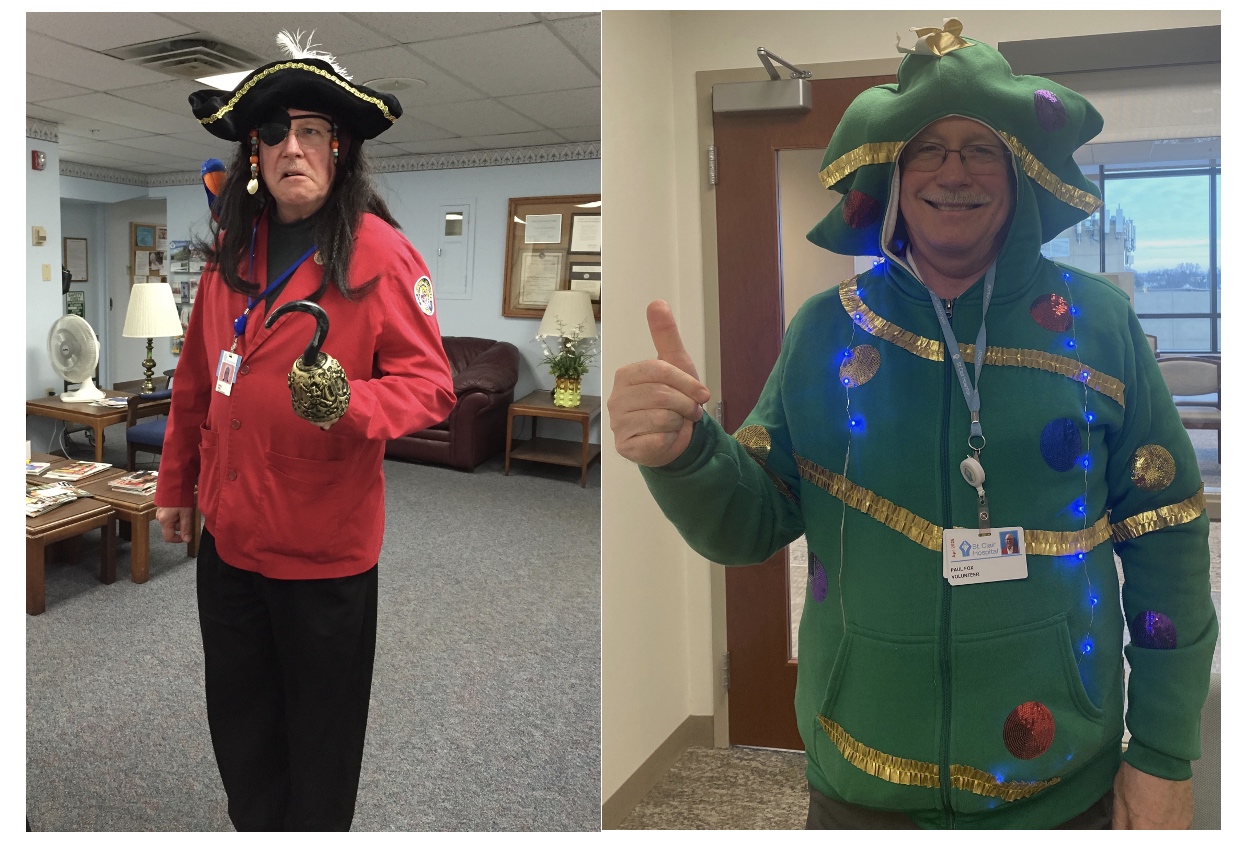
The male volunteers usually dress up in an all-red jacket (one giant candy stripe), but on occasion, I have been known to bring a costume… for Halloween or Christmas, to try to bring a little joy and good humor to the patients.
I feel blessed to have the good health and mobility to serve as a volunteer escort, and the opportunity to meet with on a daily basis so many wonderful people. Many of my retired colleagues (even those from where I last taught) have joined the force. To say the least, we appreciate the comradeship, gratitude, and feelings of being eleemosynary for what we can share with others!
Anyone from my neck of the woods? Visit this website and sign-up! WE NEED YOU!

As if you need any additional urging, for the young and young-at-heart alike, Joi Henry of the 2013-2014 Youth Leadership Council (21st Century Leaders) probably said it best commenting on why community service is essential:
“Community service involvement is important because volunteering teaches people of all ages and backgrounds compassion and understanding. One thing I like about community service is that there are opportunities to improve and leave your mark on your global and local community. Volunteering and putting on service events can be used as a way to advocate for causes that you are personally passionate about. Community service… can also be the avenue to explore areas that you express interest. Volunteering is something that has no time limit; you can volunteer as much or as little as you’d like or have time for and still feel some type of fulfillment from it.“
https://www.21stcenturyleaders.org/why-is-community-service-important/
So what are YOU waiting for?
PKF
© 2022 Paul K. Fox




 paulfox.blog