Bigger Dreams, Bigger Home

How Retirees Can Upsize for Homesteading and Hosting

Featured image via Pexels

[Editor’s Note: My favorite and most prolific “guest blogger” Ed Carter has returned with a piece on upsizing NOT downsizing in retirement. Please enjoy (below) “Bigger Dreams, Bigger Home.” Thanks, Ed!

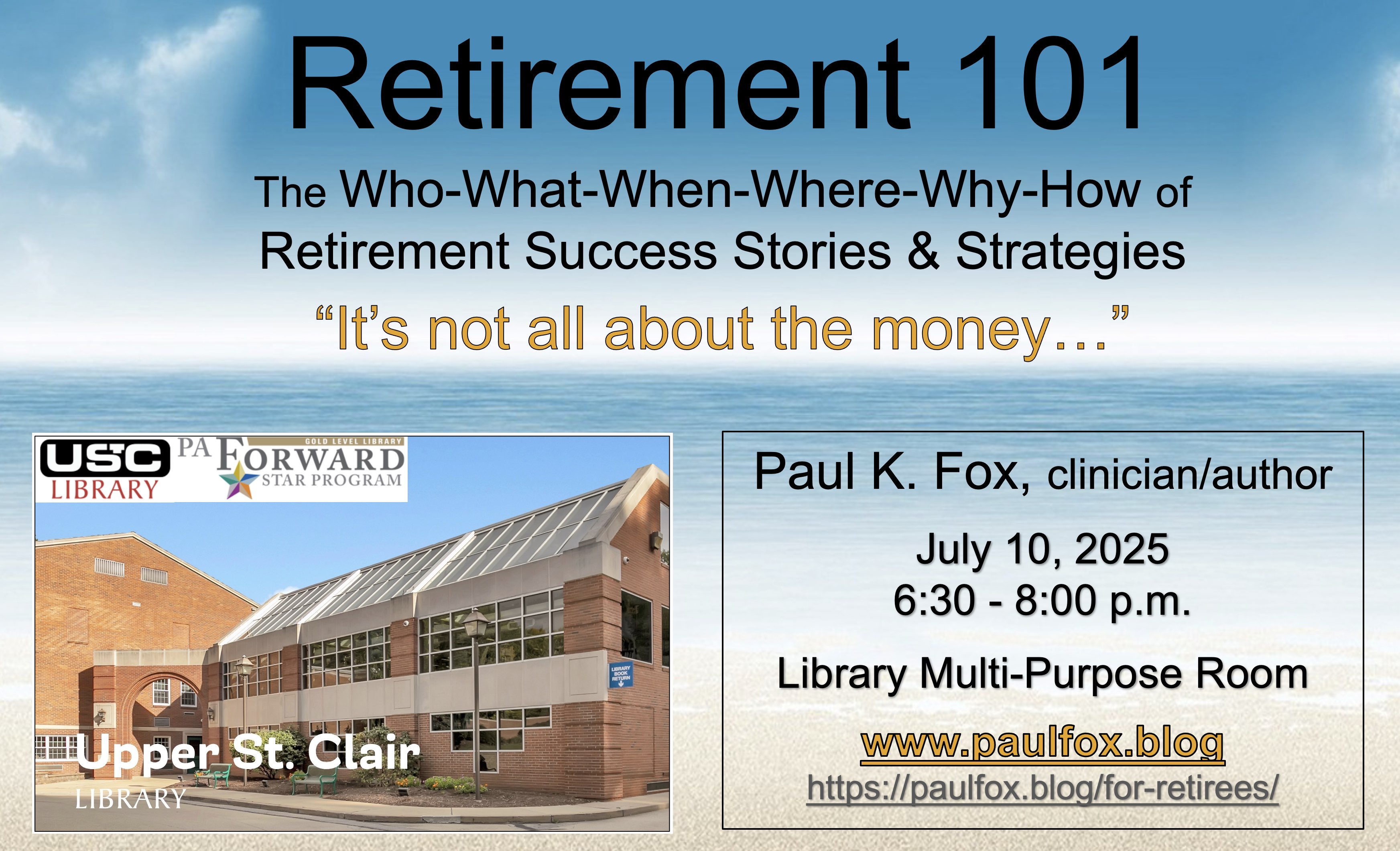
In addition, for attendees to my “Retirement 101 – It’s Not All About the Money” session at the Upper St. Clair Township Library on July 10, 2025 (and any other interested retired or soon-to-retire individuals), please click on the following links to printer-friendly copies of my slide handouts and the updated “Ultimate Retiree Resource Guide.”]

Article by Ed Carter

Retirement doesn’t always mean downsizing. For many retirees, it’s the perfect time to invest in a larger home—one with room to explore new hobbies, welcome visiting family, and enjoy the lifestyle they’ve spent years working toward. If you’re dreaming about homesteading or want to transform your home into a hub of activity and connection, buying a bigger property may be more practical than it sounds. With the right planning, you can find a home that fits your vision and your budget.

Know What You Really Want

Before you start searching, take the time to clarify what matters most to you in this “next chapter.” Are you dreaming of cultivating your own garden, raising chickens, or simply having more space to host grandkids and holiday gatherings? Think about square footage, land size, and features that support your lifestyle, like a home office, workshop, or playroom. Visualizing your daily routines in your new home can help you prioritize what’s essential versus what’s just nice to have.

Focus on Land and Layout

Homesteading takes space—and not just any kind of space. You’ll want to look for properties with usable land that’s suitable for gardening, small livestock, or even fruit trees. Check for sun exposure, drainage, fencing, and access to water. A good layout indoors is just as important; think open kitchens for canning or entertaining, extra rooms for hobbies or guests, and easy access from the house to outdoor areas. A few extra acres can go a long way when your goal is to live more sustainably and independently.

Transform Your Homesteading Hobby Into Income

Many retirees find that homesteading isn’t just fulfilling—it’s also a gateway to a small business. Whether you’re selling fresh eggs, handmade soaps, canned goods, or seasonal vegetables, turning your passion into profit can be deeply rewarding. Going back to school for a business degree can sharpen your skills in marketing, operations, and financial planning—key tools for running your homestead as a business. Online degrees make it easier to balance learning with daily responsibilities, and there are many inspiring online business degree success stories that prove it’s never too late to invest in yourself.

Set a Budget That Reflects Your Goals

Buying a bigger home doesn’t mean blowing through your retirement savings. Start with a clear picture of what you can comfortably spend, keeping in mind property taxes, insurance, maintenance, and any future upgrades. Talk to a financial advisor about how to structure your budget based on your income sources, and consider using proceeds from the sale of a current home if you’re upsizing. You may even find that relocating to a rural or semi-rural area gives you more for your money than staying in a high-cost urban zone.

Explore All the Financing Options

Just because you’re retired doesn’t mean you’re out of options when it comes to financing. Many retirees use a mix of cash, retirement funds, or home equity to buy a new property. Others explore mortgage options like a reverse mortgage (with careful consideration) or traditional loans with manageable terms. It’s essential to speak with a lender who understands your unique income structure post-retirement. The right financing plan ensures you get the home you want without financial stress down the line.

Use a Realtor Who Understands Your Vision

A real estate agent who knows the homesteading lifestyle can help you find properties that truly fit. They’ll understand the value of extra land, zoning laws for small-scale farming, and the features that can make your homestead thrive. Share your vision early in the process—whether it’s selling homegrown produce, raising bees, or hosting family reunions—so they can narrow your options to homes that support both functionality and comfort.
Turn Space Into Opportunity

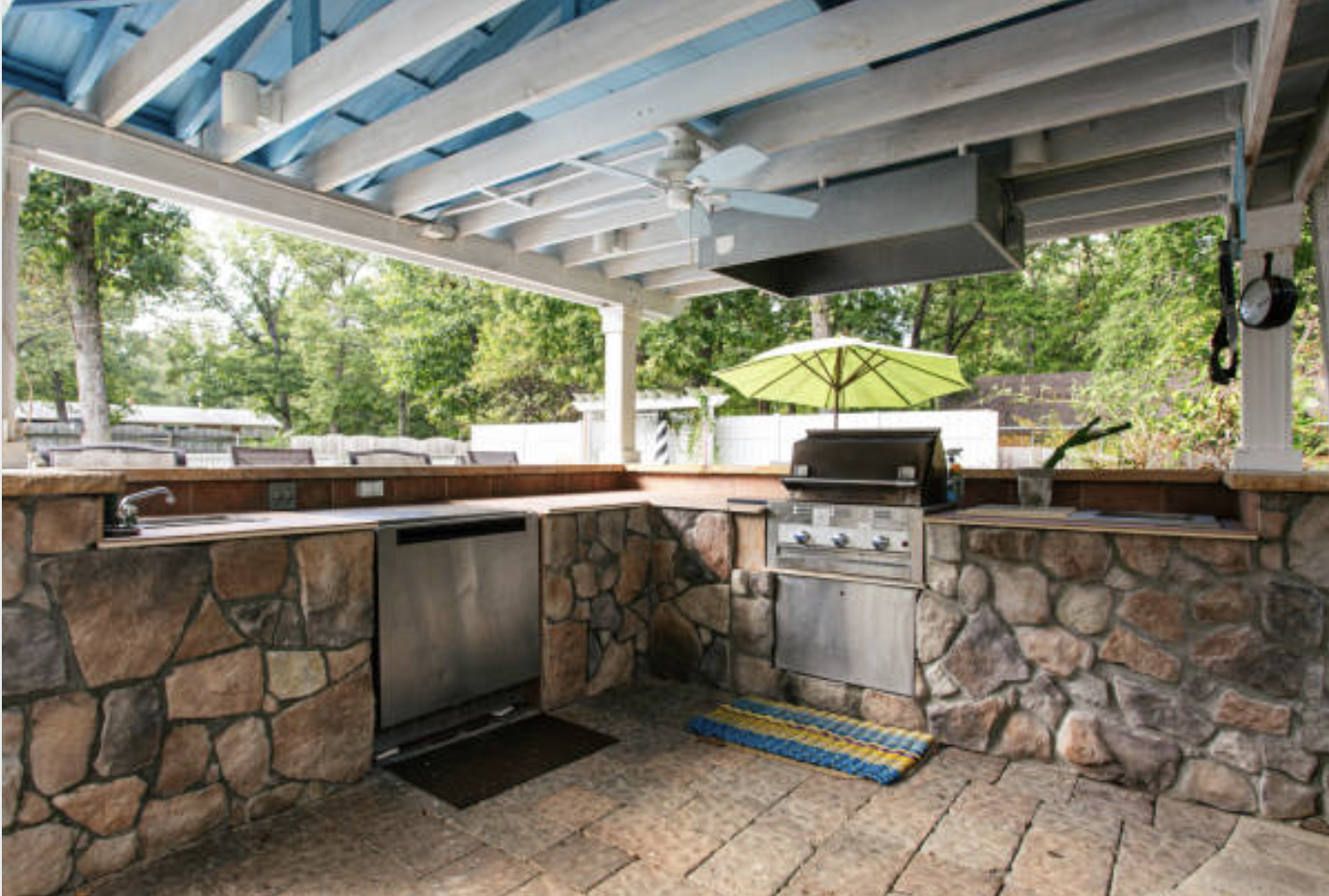
Once you find your home, think about all the ways to make the most of it. Spare bedrooms can become artist studios or guest rooms for visiting grandchildren. Garages can be converted into workshops or woodworking spaces. Basements can turn into cozy family rooms or even a small business headquarters. Outdoor space can serve multiple purposes: vegetable gardens, orchards, outdoor kitchens, or shaded play areas. With a little imagination, your home becomes a full-time lifestyle—one that supports both your hobbies and your relationships.

Buying a bigger home as a retiree isn’t about having more—it’s about doing more. It’s about designing a life that reflects your passions, supports your independence, and brings your family closer. Whether you want to dig into the soil, start a new business, or simply have space to live fully and comfortably, this move can be the start of something deeply fulfilling. With the right property, the right plan, and the right support, your next chapter can be your most exciting yet.

Peruse more insightful articles and resources here at paulfox.blog, where every post is a step towards a more fulfilling and informed life journey!

PKF

© 2025 Paul K. Fox and Ed Carter

Wander with Whiskers

How to Become a Digital Nomad With a Pet in Tow

Written by Ed Carter – Featured “black cat” photo by Ruca Souza (Pexels)

Editor’s Note: We welcome yet another blog by guest author Ed Carter on a subject near and dear to my heart. It was not until I retired before I discovered the joy, responsibilities (and challenges) of pet ownership. I have two little doggies (one bichon frise named “Gracie” and a yorkie-poo named “Brewster”) who keep me engaged and occupied throughout the day. “Daddy, I’m hungry.” “Can I have a bone?” “It’s time to go out…” Those frequent walks are good for me and part of this retiree’s long term wellness plan! But, pets may also restrict the flexibility of your schedule and limit travel. You cannot necessarily “drop everything” at the last minute and take a cruise or long car trip. (I’m not putting my “kids” in a pet jail, aka a kennel!) Planning is essential. Ed shares new perspectives on merging the demands of your digital job (encore career, business or retirement pursuit) with the needs of your sometimes fussy furry family members. PKF

Deciding to pack up and chase the digital nomad dream isn’t as easy when you have a pet depending on you. But it’s not impossible. You’ll just need a different kind of strategy—one that balances your professional goals with your animal companion’s comfort and safety. If you’re ready to take your work on the road without leaving your dog, cat, or other furry friend behind, here’s how to make it happen and thrive.

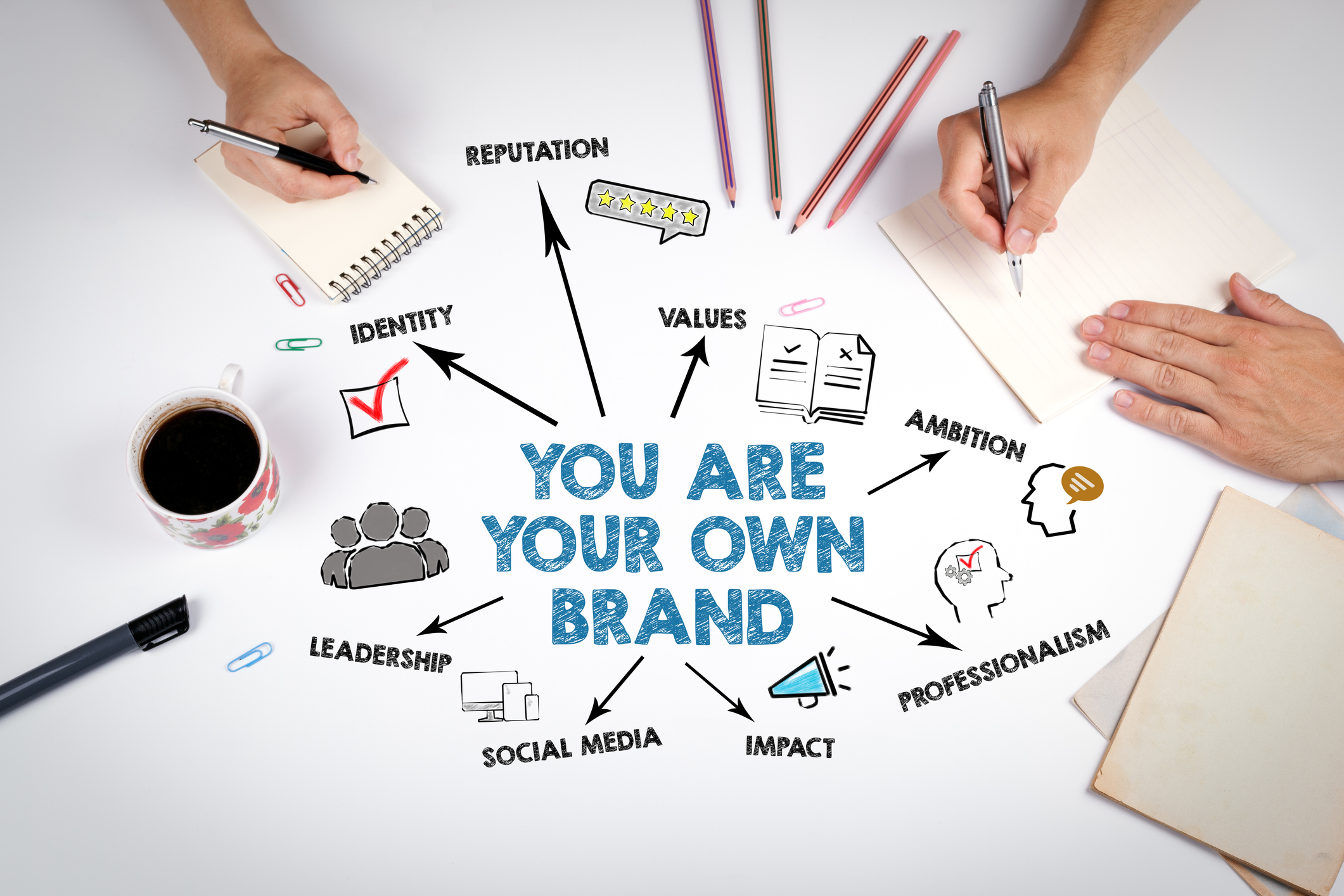
You Are the Brand—Market Like It

You’ve probably heard this before, but now it’s even more true: your personal brand matters. When your lifestyle is non-traditional, clients and employers want reassurance that you’re still professional and reliable. Build an online presence that highlights your experience, your skills, and the unique flavor you bring to the table. Whether it’s a clean portfolio website, a LinkedIn page with testimonials, or social proof via Twitter threads or TikToks, you’ll want your digital footprint to reflect someone who gets the job done—dog barking in the background or not.

How Education Can Reboot Your Career Path

If you’re feeling stuck in your current role or ready to transition into something more dynamic, going back to school can be the smartest move you make. For instance, by exploring a Bachelor of Science in Computer Science, you’ll open the door to new opportunities in tech, where the demand for problem-solvers and creative thinkers never slows down. Also, learning online means you’ll have the flexibility to pursue your degree at your own pace, so you can continue working while you build your future.

Pick a Job That Gives You Breathing Room

Not all remote jobs are built equally, especially when you’ve got a pup tugging at your sleeve or a cat trying to walk across your laptop. Jobs with flexible hours or asynchronous communication are a goldmine here. Think virtual assistance, freelance writing, UI/UX design, social media management, or coding—anything that lets you pause when you need to and doesn’t expect you to be online at 9:00 a.m. sharp in someone else’s time zone. It’s also worth considering pet-focused work like blogging about your travels together or offering online pet training consultations if you’ve got the skillset.

Stretching the Budget Is an Art

Moving around with a pet in tow doesn’t just cost more—it requires creative budgeting. Flights often come with extra fees for animals, and not every country has affordable vet care. To save, consider slow travel, staying in each spot for at least a month to cut down on housing costs. Sign up for loyalty programs, travel with collapsible gear to avoid bulky luggage fees, and always build an emergency buffer for unexpected pet expenses.

Downtime for You, Uptime for Them

You’ve got Zoom calls and deadlines, but your pet doesn’t care. Their boredom can quickly become your stress. To keep them occupied, build routines they can count on—morning walks, midday playtime, and evening snuggles. Fun pet toys, lick mats, and interactive feeders are your new best friends. If you’re in a location for a while, look into local pet daycare options or even trusted pet-sitters who can help when your calendar’s packed.

Communication Is Still the Currency

When your lifestyle is flexible, your communication needs to be rock solid. Clients shouldn’t have to guess if you’re off-grid or just ignoring their messages. Use tools like Slack, Notion, or Trello to keep everyone aligned. Set expectations upfront about your availability, stick to response time windows, and always double-check your time zone math before scheduling meetings. Transparency builds trust, and it’s the one thing you can’t afford to fumble when you’re juggling time zones, Wi-Fi hiccups, and a restless Labrador.

Get Paid Without the Headache

No matter where you’re working from, you still need to get paid like a pro. Skip the international wire transfer chaos and set yourself up with services like Wise, Payoneer, or Deel that cater to global freelancers. These platforms help cut down on currency conversion fees, and many now offer debit cards linked to your earnings. Just make sure you’re still handling taxes back home—yes, even if you’re on a beach in Bali.

Plug Into the Right Tools

Your tech stack can make or break your setup, especially when your “office” might be a hammock or a hostel lounge. A reliable VPN keeps your data secure on public Wi-Fi, while apps like Clockify help you track billable hours. Backup power banks and a universal adapter are non-negotiables, and a noise-canceling headset can turn a chaotic café into a client-ready zone. For pet tracking, consider a GPS collar if your dog has wanderlust, or a camera you can check from your phone to ease any separation anxiety.

Taking your life and career on the road with a pet isn’t going to be flawless. There’ll be missed trains, barking during meetings, and that one time your cat jumped on your keyboard mid-presentation. But with some intentional planning, the right tools, and a healthy dose of flexibility, the rewards far outweigh the bumps. You’re not just choosing freedom for yourself—you’re creating a life where your companion gets to come along for the adventure.

Check out other articles by Guest Author Ed Carter at this blog site:

© 2025 by Paul K. Fox and Ed Carter

Unleashing Your Sound: A Musician’s Guide to Making Waves and Gaining Fans

Guest Blog-Post by Ed Carter

Editor’s Note: I am taking several weeks off (a retiree’s summer vacation?) from writing articles and creating new material or proposals for workshop presentations on “the life cycle of a music educator – from preservice training to retirement.” Frequent guest contributor Ed Carter (see his past blogs here, here, and here) has graciously offered the piece below on advice for musicians to promote/market their music. Thanks for your insight, Ed!

In today’s digital age, getting your music discovered isn’t just about creating great art; it’s about strategic visibility and connection. For musicians, the realm of possibilities is expansive, yet selecting the right path can significantly influence your success. This article shared courtesy of Paul K. Fox delves into practical strategies to amplify your presence, engage with your audience, and carve a distinctive niche in the bustling world of music.

Dive into the Heart of Your Community

Embracing local music festivals and events can be a game-changer for your music career. These gatherings are not just events but a vibrant ecosystem of music lovers eager to explore new sounds. By participating, you’re not merely performing; you’re immersing yourself in a community that thrives on discovery. The connections made here, both with fans and other artists, can lead to collaborations and opportunities that extend far beyond the festival grounds.

Creating a Website

In the era of streaming, the significance of owning your distribution channel cannot be overstated. Setting up your own website brings your music directly to fans without intermediaries. This approach not only boosts your earnings but also strengthens your relationship with your audience. Offering exclusive content or merchandise can further personalize the experience, making your listeners feel like part of a special circle.

Crafting the Perfect Pitch

Waiting for discovery is a path of uncertainty. Seize the initiative by reaching out to publishing and media outlets with your music. Crafting a compelling pitch requires understanding what makes your music unique and conveying it in a way that resonates with journalists and bloggers. This proactive approach can lead to coverage that boosts your visibility exponentially, attracting new listeners and opening doors to new opportunities.

Mastering the Business of Music

Consider bridging the gap between music and marketing by going back to school for a business degree to sharpen your business acumen, essential for marketing and selling your art. A business degree equips you with vital skills in marketing strategies and financial management, crucial for a sustainable career in the arts. The convenience of online degree programs allows you to pursue education while continuing to create. Indeed, this could be the ticket to not just creating art but making a living from it.

Develop a Press Kit

A well-crafted press kit can be your passport to gaining attention in the music industry. This toolkit should encapsulate your music, personality, and achievements, providing a comprehensive snapshot to journalists and industry insiders. High-quality photos, a compelling bio, and standout music samples can make your press kit an irresistible introduction to your sounds.

Hosting Your Own Event

Why wait for an invitation when you can create your own event? Hosting your own event or showcase puts you in the driver’s seat, allowing you to present your music exactly as you envision it. This initiative not only demonstrates your entrepreneurial spirit but also creates a buzz around your work, attracting both fans and industry professionals to see what you’re all about.

Harmony and Philanthropy

Aligning your music with charitable causes is a powerful way to expand your reach while contributing to the greater good. Offering your talents for charity events or auctions showcases your commitment to social causes and can endear you to a broader audience. This approach not only elevates your profile but also enriches your musical journey with meaningful connections and experiences.

The journey to getting your music discovered is multifaceted, requiring creativity not just in your art but in your approach to marketing and community engagement. By exploring local music festivals, leveraging your online presence, and engaging directly with the media, you’re building a foundation for success. Supplementing your artistic talents with business skills and giving back to the community add depth to your career, making your music resonate on a deeper level. With dedication and strategic effort, your sound can rise above the noise, connecting with fans and opening doors to new opportunities.

© 2024 Paul K. Fox