OLD

This month’s “guest article” is on loan from a very wise and sensitive fellow-blogger:

Kathy Merlino.

We have been blessed with her generously and eloquently-shared thoughts and inspiration in past postings, including “A Penny” seen here last year and posted on her Kathy’s Retirement Blog of November 26, 2022 – a poignant piece coping with grief in the loss of a loved one.

Yes, those of us “over-65s” have experienced moments of “ageism” and discrimination because of our grey hair, wrinkled skin, slower driving habits, mobility challenges, or other signs of our advancing years. I believe most of this is unintentional… not deliberately meant to be condescending. But, Kathy hits the nail squarely on the head. You would think that with the swelling of our Baby-Boomer population stats (becoming more of a majority, not the minority?), ageism attitudes and bad behavior would disappear?

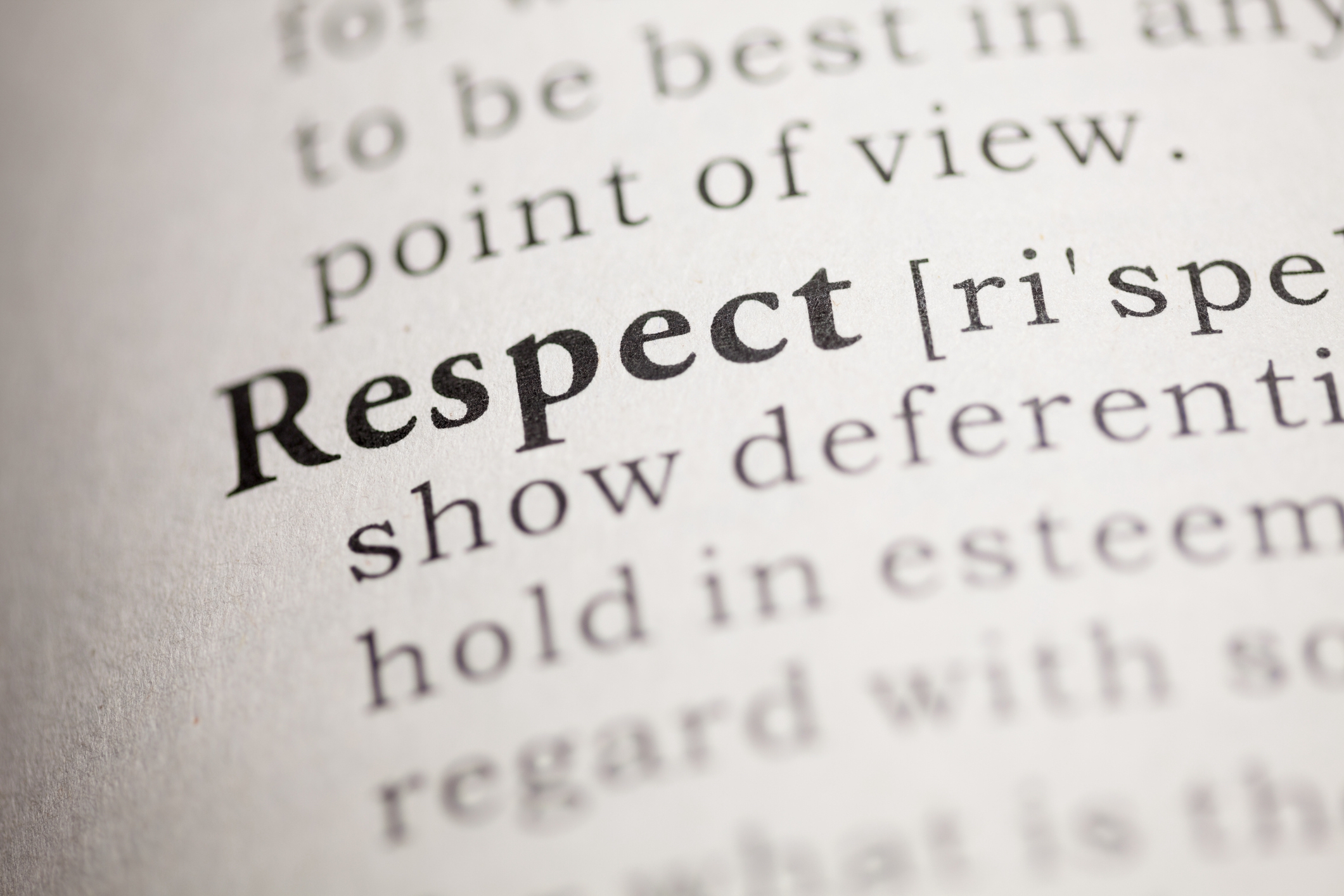
It all boils down to RESPECT! And, we should all “call out” any violators and demand change… like Kathy bravely did in her story!

How about getting even? Nah! But I do recall a funny episode from the National Geographic Channel’s Crowd Control series moderated by Daniel Pink about giving the people who parked illegally in handicap places their “just rewards!”

To stop able-bodied drivers from using handicapped parking places in Austin, Texas, Pink first rode around with a van full of local activists, blocking in offenders and making them wait while passengers in wheelchairs got out very slowly. A woman with an SUV apologized; a guy with a Porsche said, “I don’t do this; it’s not a habit,” lamely offering that he was just stopping in to see some friends for a 10-minute drink. “Now I’m that guy, and it doesn’t feel good,” he said, adding perhaps a little too easily: “I’m done being that guy.” But you could see that the human confrontation had somehow registered.

https://slate.com/human-interest/2014/11/dan-pinks-crowd-control-on-national-geographic-channel-uses-design-to-tackle-social-problems-across-america-video.html

Pink’s solution to this problem was to build social empathy with the very clever “Think of Me! Keep it Free” campaign.

And, ageist language goes both ways. A month ago I may have unintentionally offended a younger colleague who I have long admired (and frequently complimented her professional accomplishments publically) by using the familiar informal address in “thanks, kiddo.” Just as Kathy mentions we should eliminate the labels “old” or “elderly” and “dear” or “sweetie” from our vocabulary in conversations with our seniors, so should we abandon words like “kids, ” “kiddos,” “youngsters,” and “honey” in talking to our younger peers. RESPECT… both ways!

Join me in visiting Kathy’s Retirement Blog for this and other thought-provoking segments!
Kathy Merlino 2024OLD! by Kathy Merlino

A few months ago I went to my bank, something I rarely do in this world of banking apps and cash back at almost every retailer. As I waited in line
for my turn the woman in front of me struck up a conversation with the branch manager who was behind the teller counter attending to some unseen task.

The woman and branch manager apparently knew each other as they chatted easily about mutual acquaintances and activities.  

Everything was genial until she asked, “How’s your grandmother?”

The branch manager stopped what he was doing, straightened up, looked out into the lobby as he emphatically announced, “Old!”

The woman didn’t respond as her smiling face sunk into a bewildered expression, her eyes nervously darting around the lobby. I felt she was as stunned by his response as I was. Without another word he went back to what he was doing.

During the previous several months I had had a couple of ageist encounters with this early thirties-something man. Had he looked past the woman at me as he made what I thought was a disrespectful response, both for his grandmother and his acquaintance customer? Or was I just imagining? 

Not so sure I should let this pass without a word, I, too, looked around at the young faces behind the teller counter, at the personal banker in the glass cubicle chatting with a customer. They were all young twenty, thirty-somethings. The branch manager was the standard bearer for how to treat customers with respect and dignity. He was their leader, their guide from whom they took their cues. Since the previous manager was promoted to a higher level, which came as no surprise to me, I had noticed a change in the culture of this branch. Weighing the larger consequence of not saying anything about the incident, I was now sure I would say something and to whom I would say it. But, more on that later.

In recent weeks I’ve encountered a number of women speaking up about ageism in our society. During the last year I’ve become more conscious of ageism, mainly in the medical and health insurance fields as well as the experiences at my bank and a few stores. I’d like to know what you have experienced, if anything. One woman told me the ageism in the US is ‘shocking!’ Is it that way across the country? Is it that way in other countries? Several others have chimed in about how going grey was met with being called ‘old’ or ‘elderly’ followed by ‘dear’ and ‘sweetie.’ One woman even decided to start dyeing her hair again. Not me. I’d rather raise someone’s consciousness by speaking up about it. There’s nothing wrong with a little silver protest.

nih-logo-color-tagline-CROPAccording to the National Institute on Health (one of my favorite resources), “rising prejudices have spread concerning the elderly, who are seen as hindering productivity and social dynamism. Stereotypes about aging, beyond influencing behavior and ways of managing the care of elderly populations, can also impact personal experiences of aging.” The simple fact of the baby-boomer demographics makes our aging population larger than the generations which followed. What’s more, ageism influences our self-perceptions as well as our physical and mental health leading to such negative experiences like depression and isolation, which in turn translates into a shortened life span with a lower quality of life.

I have no doubt we live in a youth culture. Personally, I’m anti-anti-aging. All the ads by companies selling anti-aging products are laughingly, for the most part, using women at least 40 years younger than me to
show ‘results.’ It’s as if aging is a disease, which we have to keep at bay for as long as we can with creams, lotions, dyes, supplements, makeup, botox and even plastic surgery. Equally as pervasive is the vitamins and supplements industry raking in a hefty $150 billion per year globally. The US makes up nearly one third of that number. Age cannot be staved off forever, so we may as well accept that fact and enjoy life without going under the knife and getting our vitamins from healthy foods.  

Do I use creams and lotions? Of course I do. Who wants dry skin? My objective is to feel the best I can without being obsessed with my body and looks to the point of trying to hide my age. At 71, I’m comfortable in my own skin and love my grey hair. I stopped coloring my hair somewhere around 12 years ago. It was so freeing I’ve never thought about hair dyes again.  

But, the real issue is the devaluing of aging people due to accepted social norms centered around looking youthful, acting useful and contributing to society through a job. According to the NIH, “the most complete definition [of ageism] has been offered by [researchers] Iversen, Larsen, and Solem, who, after a review and analysis of all the definitions given over the years, defined ageism as negative or positive stereotypes, prejudice and/or discrimination against (or to the advantage of) elderly people on the basis of their chronological age or on the basis of a perception of them as being ‘old’ or ‘elderly’.” 

Town of Menaggio on lake Como, Milan, Italy

While visiting Italy I noticed a difference in the way I and my fellow aging travelers were treated. It was with a graciousness and respect that was palpable in transactions at stores, meals in restaurants and just strolling down the street. I believe the stereotyping of aging in Italy is a positive stereotyping where “respect your elders” is ingrained in the fabric of their social norms.  

I remember touring a villa where certain spaces were roped off. The very young woman serving as monitor wore dark goth makeup, spiked black and maroon hair, black army boots, pants and pea coat along with a deadpan expression. Visually scary. No one was going to touch a thing or cross a barrier with her walking behind us! Then, I had to make a run to the restroom, which was outside and down a long path on the grounds. Upon my return she let me in with a stern look. But, when I went looking for my group to catch up, she motioned to me with a smile, “Come. I show you a shortcut.” With that she led me around a roped barrier, across the living room’s ancient rug I was positive was not to be walked upon, around another barrier and down a hall where I joined my group. As I turned to thank her she winked and said, “Secret.”  Although with cameras all over the place I don’t think it was a secret. It was an act of kindness from someone who initially appeared so forbidding. A reverse lesson in not judging a book by its cover. I wonder now if the act of kindness was because of my grey hair and wrinkles and the Italian view of aging.

We are at once going through a transformation where aging is not what it once was as people continue to work, remain involved in their communities and are physically active.  Yet, at the same time, much of society views this natural part of life called aging with disdain or perhaps a bit of fear.  After all, following aging to the last is the grim reaper awaiting. For me exercising, eating a healthy diet, keeping my mind sharp, being involved in my community, having a spiritual practice and engaging with family, friends and my hobbies are the components of healthy aging. That is my anti-aging strategy.
Respect

What do we do about the disrespect, the minimizing of our value to society? I speak up and out about the situations I encounter. For example, the branch manager.  As mentioned I decided I had to do something about his attitude and comments, not only for the sake of other customers, but for his employees. Well, I emailed my contact at the bank and expressed my concern and how I had encountered what I believed to be ageism three times over a period of several months. The CEO and president of the bank asked if it would be ok if the branch manager’s supervisor called me, to which I, of course, agreed.  

I learned that the bank has training about what respect and dignity look like, on discrimination including ageism.  I learned that upper management was sincerely disappointed in the branch manager’s attitude and, as was appropriate, apologized for the ageist treatment. I haven’t been back because, as noted above, I don’t find it necessary to go to the bank very often. However, I do hope to see a cultural change on my next visit.  I also hope this young manager views the experience as an opportunity to grow and learn and set a positive example for his staff.  Lastly, I hope he learned that just because someone is “old!” with grey hair and a few wrinkles doesn’t mean they don’t have wisdom, influence and the power to create change.  

Would you like to comment on this article? Please visit Kathy Merlino’s website here.

Sleep and Retirement

Are you getting enough (or too much) rest?

Saying goodbye to work life can mean a change in your sleep schedule. Learn how to sleep well during this new stage of life.

“Sleep, and the Workplace” at Sleep.org

cartoon what time do you want to get up

Did you know there really exists a National Sleep Foundation? Now that we are retired from full-time music teaching and the day-to-day stress of managing classes and a busy music program, do you think we need it? Can’t we sit back and enjoy “living the life of Riley” without experiencing any work-related tension or fears for the future?

Maybe not! What is that old Chinese proverb? “The gem cannot be polished without friction, nor man perfected without trials.” After all, as humans, we all seek new and unique challenges to grow (and that brings on stress), and sleep is a complicated issue!

But, no worries! Several someones have “our back” (or should I say “our pillow!”). Here is a collection of insightful resources on promoting better sleep habits and relaxation techniques from a variety of research-based and/or medical authorities.

bed-2932284_1280_naobim

I didn’t set an alarm for four months. I quickly learned that one of my favorite times of the day was 30 minutes after I first woke up. For the first time in decades, there wasn’t a rush to get out of bed. I’d let myself fade in and out of sleep several times, savoring the fact that I could let myself fall back into the hazy sleep rather – into the shower to wake myself for the morning drive. I’d gotten up at 5:30 AM for years the found that about 7:15 AM was a natural time for my body to wake up. The dogs seem to enjoy this new routine as well. We have four dogs, all of whom compete for space on the bed. Which ever one happen to be near my hand would nozzle under my fingers when they felt me start to wake up, being content to enjoy our laziness together as a new way to start our new days.

The Keys to a Successful Retirement by Fritz Gilbert

The perks of retirement are many, including the “freedom” to do new things and spend more time with family and friends as well as on travel, personal music-making, hobbies, babysitting loved-ones (or care-giving our elderly relatives), volunteering, and other projects or pursuits of “self-reinvention” suggested by “retiree gurus” like Dave Hughes, Robin Ryan, Kenneth Schultz, Hyrum Smith, and Ernie Zelinski.

Another benefit of post-employment? MORE sleep! According to Sleep.org, “people sleep approximately 20 minutes longer at night after retirement. Those who skimped on sleep the most during their working years see the biggest gains, increasing their nightly sessions by around 45 minutes compared to pre-retirement.”

The National Sleep Foundation website also offers articles on the “science of sleep.”

  • Sleep Cycles – Stages of Sleep
  • Circadian Rhythms
  • What Is Microsleep?
  • How to Fall Asleep Fast
  • What is the Sleep-Wake Cycle?

as well as mattress reviews and life style choices that may affect our sleep.

newspaper-149623_1280


The “serious stuff” for serious sleep issues

Experts do believe that “normal aging” brings on some changes to sleep… Basically, older adults tend to get sleepy earlier in the evening, and tend to sleep less deeply than when they were younger.

So it’s probably not realistic to expect that as you get older, you’ll sleep as long or as soundly as when you were younger.

That said, although aging by itself does change sleep, it’s also quite common for older adults to develop health problems that can cause sleep disturbances. So when your older relatives say they aren’t sleeping well, you’ll want to help them check for these. Figuring out what’s going on is always the first step in being able to improve things.

Better Health While Aging blogs by Dr. Leslie Kernisan here and here

The definitions, causes, and treatments of sleep disruption are described in great detail by Leslie Kernisan, M.D., authoring “5 Top Causes of Sleep Problems in Aging and Proven Ways to Treat Insomnia” outlined here:

  1. Underlying medical problems
  2. Sleep-related breathing disorders (snoring, sleep apnea, etc.)
  3. Restless leg syndrome (RLS)
  4. Periodic limb movements (PLM)
  5. Insomnia

Painful nighttime leg cramps may also interrupt sleep, as referenced by the American Family Physician, Mayo Clinic and WebMD.

Dr. Kernisan advises us against using sleeping pills or other sedatives. She prefers the following remedies which have shown great promise, backed up by published research:

  1. Cognitive behavioral therapy: New York Times and Mayo Clinic
  2. Brief behavioral treatment: Journal of Clinical Sleep Medicine and National Institute of Health
  3. Mindfulness meditation: Journal of the American Medical Association and Mindfulness Awareness Research Center at UCLA
  4. Exercise: Science Direct, National Institute of Health, and New York Times

The Division of Sleep Medicine at the Harvard Medical School also offers these “Twelve Simple Tips to Improve Your Sleep.”

  1. Avoid caffeine, alcohol, nicotine, and other chemicals that interfere with sleep.
  2. Turn your bedroom into a sleep-inducing environment.
  3. Establish a soothing pre-sleep routine.
  4. Go to sleep when you are truly tired.
  5. Don’t be a night-time clock-watcher.
  6. Use light to your advantage.
  7. Keep your internal clock set with a consistent sleep schedule.
  8. Nap early, or not at all.
  9. Lighten up on evening meals.
  10. Balance fluid intake.
  11. Exercise early.
  12. Follow-through.

Another “sleep checklist” worth a quick examination is available from WebMD.

cat-30689_1280


Should we take cat naps? The jury is out.

At first glance, the National Sleep Foundation basically says NO! Napping during the day may “throw your body clock off and keep you awake at night.”

However, the truth may be more about how long to doze off during the daylight hours…

You may think that taking a catnap will make you feel more tired than skipping it altogether, but that’s not necessarily true.

The key to waking up refreshed from a nap is all about timing. Just 20 minutes is all you need to get the benefits of napping, such as improved alertness, enhanced performance, and a better mood. Naps of that length keep you in the lightest stage of non-REM sleep, making it easier for you to get up and go after your snooze session. Be sure to set an alarm so you don’t snooze for too long and wake up all groggy.

Nap for 30 to 60 minutes and you’ll hit the deeper stages of sleep, where your brain waves slow down, making you feel groggy (as if you have a sleep hangover) when you wake up…

It might not be worth it to nap at all if you’re going to nap for this amount of time because you’ll likely come out of your shuteye feeling less alert than before.

“How Long Is an Ideal Nap” at Sleep.org

The benefits and drawbacks of napping are further examined by the Mayo Clinic and even TIME magazine.

camping-32112_1280

Can too much sleep be bad for you?

According to new research carried out by Online Opinions, over-60s need to make sure that they are not in fact getting too much sleep once they are retired, as this can actually have an adverse effect on health.

According to the National Sleep Federation, the optimum amount of sleep for adults aged up to 64 to get each night is between seven and nine hours, while for over-64s, between eight and nine hours is deemed to be best.

You need to remember that your body isn’t as young as it once was and needs a decent amount of rest, but not too much, but the organization warns that more than ten hours’ sleep a night could be stopping people from using their bodies and brains as much as they need to in order to keep them active and hold on to their cognitive functions. In other words, too much sleep could carry a small extra risk of dementia development.

But there’s no need to worry too much; as long as you get plenty of exercise, keep your brain ticking, and lead a healthy lifestyle during the hours that you’re awake, there shouldn’t be too much cause for concern.

Just Group

WebMD warns that oversleeping has been linked to a host of medical problems, including diabetes, heart disease, depression, and increased risk of death.” The article “Physical Side Effects of Oversleeping” delineates the causes and effects of too much sleep, and points to an online “sleep habits assessment” to help you evaluate your needs.

This research seems to be supported by several other sources:

The amount of sleep you need varies significantly over the course of your lifetime. It depends on your age and activity level as well as your general health and lifestyle habits. For instance, during periods of stress or illness, you may feel an increased need for sleep. But although sleep needs differ over time and from person to person, experts typically recommend that adults should sleep between 7 and 9 hours each night.

WebMD

meditation-4674442_1280

More on retirement and “mindfulness”

From the author of one of my favorite “teacher self-care books,” I Love My Job But It’s Killing Me by Lesley Moffat, I personally recommend trying the “M-Power Method” of mindfulness practice during meals, movement, music, and what Lesley describes as the “5 S’s of clearing,” cited by the website dailyom.com:

  • Slowing Down
  • Simplifying
  • Sensing
  • Surrendering
  • Self-care

Jason Ong, a sleep psychologist at the Rush University Medical Center, offers these reminders of “Seven Tips for Falling Asleep” based on mindful practices of health and wellness (visit his site here to study these more in depth):

  1. Beginner’s mind
  2. Non-striving
  3. Letting go
  4. Non-judging
  5. Acceptance
  6. Trust
  7. Patience

Finally, if you want to immerse yourself in a comprehensive “mindfulness journey,” visit the blogs of Cindy’s Mindful Retirement to peruse “Mindfulness After Sixty: 21 Practices.”

moon-4546977_1280_ArtsyBee

Can you “trick” your brain into going to sleep?

One last interesting resource I stumbled on… how to “drum yourself to sleep” if you are having difficulty in calming the thoughts swirling around in your mind at night. This technique intrigued me enough to include it as one of the digital SHJO.clips for my community orchestra musicians sent out as a remote learning opportunity:

CLIP #22C: View and try the techniques in this YouTube “How to Trick Your Brain into Falling Asleep” by Jim Donovan (TEDtalk) using a simple 2 to 3-minute rhythm tapping and breathing “cool-down.”

https://www.youtube.com/watch?v=A5dE25ANU0k

Now, although anticipated, I am not necessarily looking forward to website comments or emailed responses from mattress and sleep accessory manufacturers, sending me their advertisements, recommendations, and industry reviews. Regardless, one thing is true: “What you sleep on has a major effect on achieving a quality rest!” I can confirm this fact “living it” with a recent replacement upgrade to our master bedroom. If you are in this situation, you need to take ample time to explore all of your options in any new purchase of beds, adjustable or nonadjustable bases, mattresses, bedding, and pillows. Essential in education; here, too: you need to personalize and customize everything to meet your needs!

Just to stave off a few of these companies, here are a few websites to visit if you are in the market to buy a new bed, mattress, pillow, or other bedding:

asleep-1296292_1280

The final word? If you prefer a few “more heady” academic studies and statistics on retirement + sleep, look up “Sleep Before and After Retirement” from the National Institute of Health, the “Reduction in Sleep Disturbances at Retirement” dissertation from Cambridge University Press, or review the case studies discussed by Health.Talk.org in “Sleep Problems Later in Life.”

Have a good night!

PKF


© 2020 Paul K. Fox


Photo credits (in order)

From Pixabay.com

Seniors Helping Seniors

Are you a caregiver?

going-shopping-1-1433513As we progress through our “golden years,” you may have noticed you had to switch roles with your parents or other elderly relatives… you’re becoming more the parent, advisor or “boss,” and they are more needy and have reverted to being the “child!”
Thanks to advancements in medical science – new and better diagnostic tools, nutrition, antibiotics and other drugs, surgical procedures, and other innovations – we are all living longer. This is bringing on what Dr. Robert N. Butler refers to as “The Longevity Revolution” (See The Longevity Revolution: The Benefits and Challenges of Living a Long Life, PublicAffairs, 2008). The Boomers (and late-boomers) have arrived in huge numbers, and plan to enjoy very long, productive, and richly meaningful lives with renewed inspiration to contribute to the betterment of society in activities of civic, social, and economic engagement – things in which they strongly believe!

And, for many of us, this means we share new responsibilities and jobs as “caregivers!”

I feel blessed to have “found” and connected with Marie Villeza and Kayla Harris at http://elderimpact.org/about-us/. Talk about their insight and generosity! This material comes at a perfect time for all teacher retirees! They have agreed to research and share many support networks and other resources for improving eldercare, senior mobility, special needs and accommodations, and general tips on health, aging, jobs, and finances.

“Lately I’ve been devoting my focus to senior health — especially since only 28-34% of Americans aged 65-74 are physically active. I’ve had the opportunity to speak with some of the elders in my community, and they said although they do want more physical activity, they feel limited in their options. Fortunately, inspiring others to get on their feet is my specialty! I’ve gathered some terrific resources on ways for seniors to lead happier, more active lives, but I need your help distributing them.”    — Marie Villeza

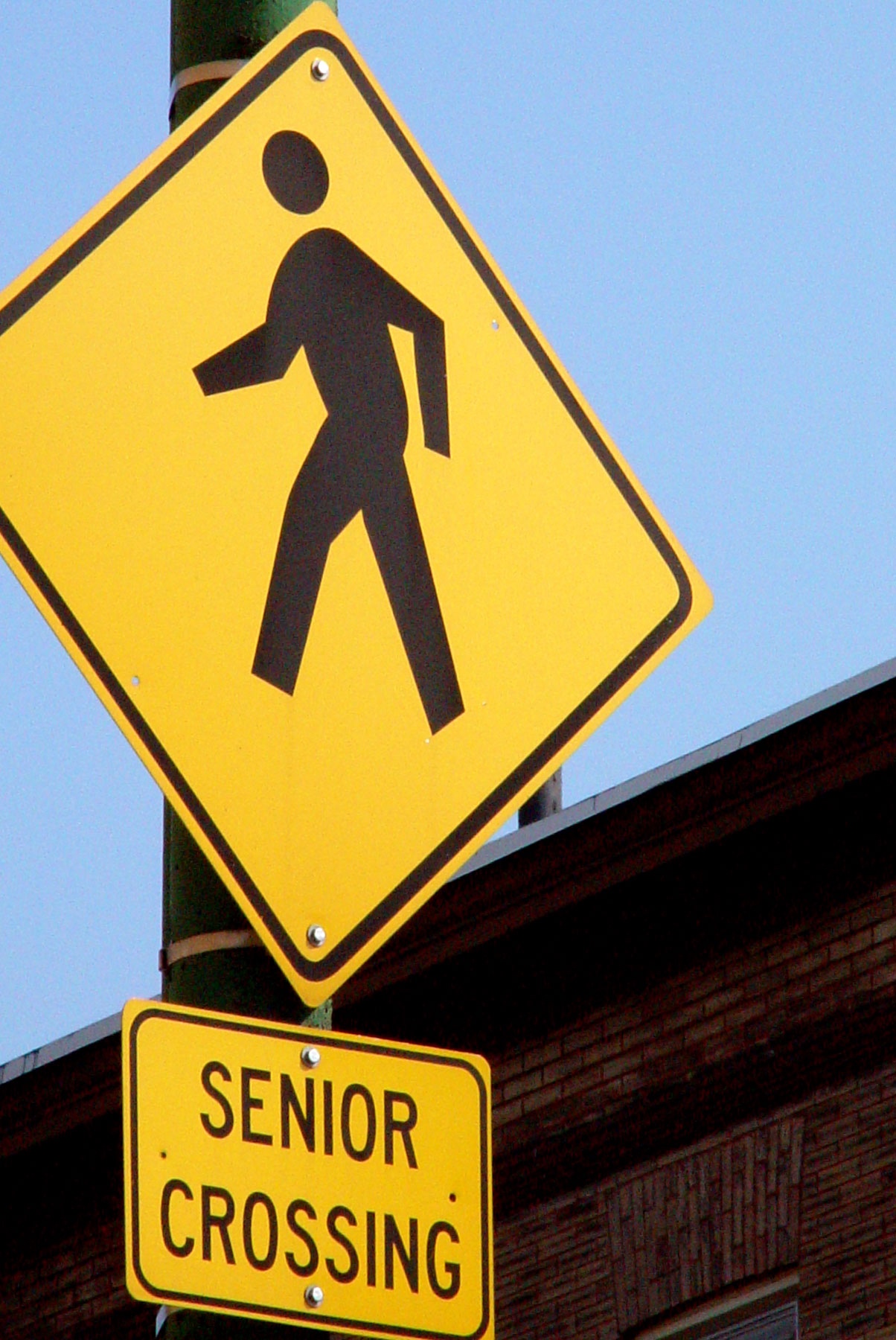
senior-crossing-1253800

Take some time to peruse these links:


“I don’t know about you, but sometimes I feel like there is too much for us to keep track of and never enough time to get it all done. And sometimes it can be daunting knowing where to start when looking for information about buying a home, figuring out life insurance, or managing life with a disability. That’s why I’m grateful to have so many wonderful resources available on the internet. There are all kinds of resources that can help make financial planning and life in general easier for all Americans, including seniors, veterans, and those with disabilities.” — Kayla Harris

These are from Kayla Harris, also from elderimpact.org:


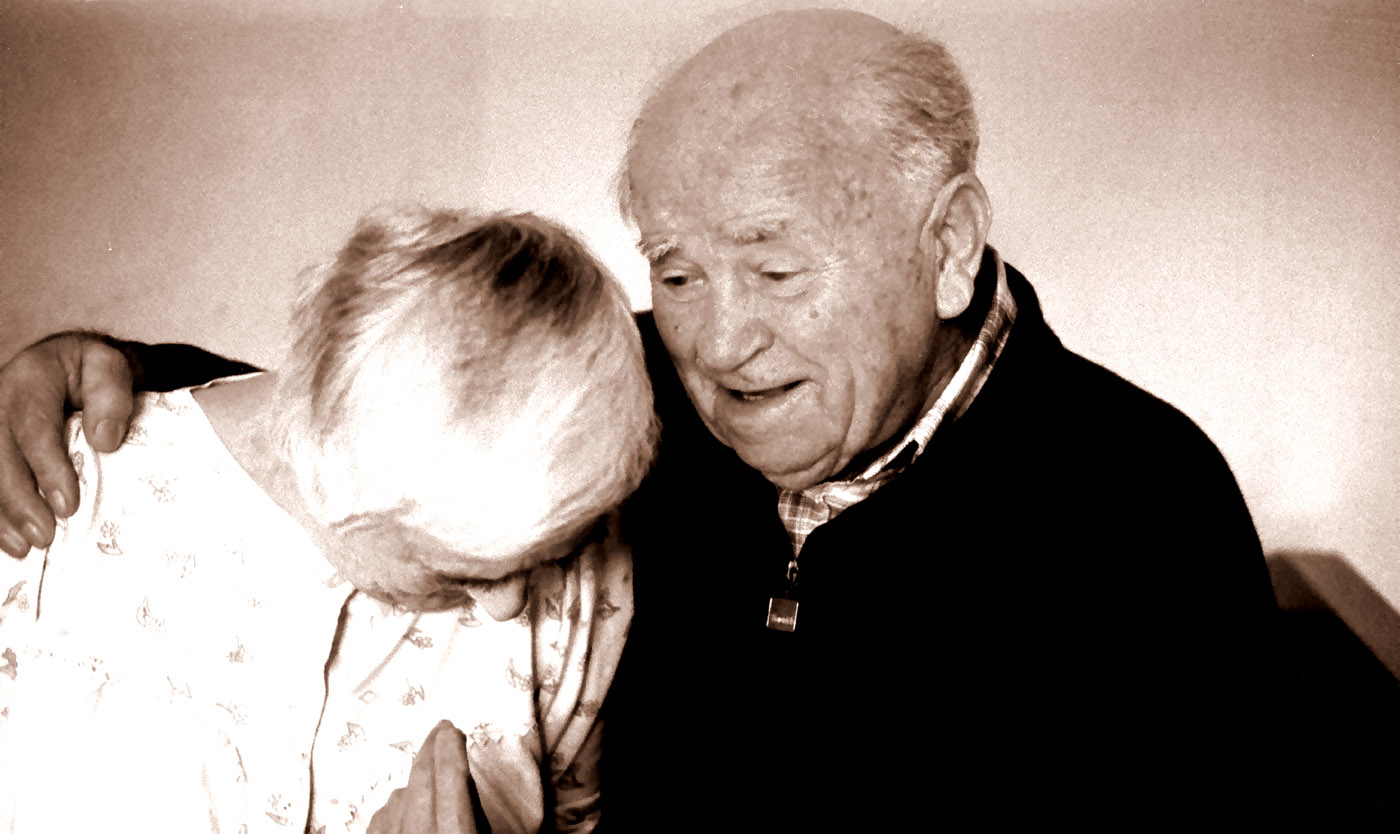
“Some of the greatest partnerships I’ve ever seen have been between senior roommates. Whether it’s a married couple who’ve spent decades together or a pair of siblings who retired together, the care and consideration they always have for each other never ceases to inspire me. I think sometimes we spend so much time worrying about whether our seniors can take care of each other that we fail to see the amazing ways that they do.” — Marie Villeza

love-1471183

Thanks so much, Marie and Kayla!

PKF

© 2017 Paul K. Fox

Photo credits from FreeImages.com: photographers Ned Horton (hands), Benjamin Earwicher (going shopping), Michelle Kwajafa (senior crossing), and John Meyer (love)