
The Final Leap from Pre-Service to In-Service:
The Metamorphosis and Integration of Philosophy, Maturity, and Teacher Preparation
This segment, Part 2 of the series, and will continue with an examination of ongoing music teacher preparation (much of it “direct instruction”) and mentoring programs.
Moving from “Book Learning” to “Practical Application”
It is a challenge to squeeze everything necessary into a college curriculum for music education certification: mastery of your major instrument/voice, music theory, music history, sight-singing/ear-training, conducting, piano proficiency, instrumental and vocal methods, etc. The school from which I matriculated (Carnegie-Mellon University) had a five-year-plus program guiding me towards the degrees of Bachelor of Fine Arts in Music and Masters of Fine Arts in Music Education. Even with the extra year of classes, time over the summers, and practical “on-the-job training,” many things were overlooked.
NOW IS THE TIME to fill in these gaps!
First off, how well do you know common educational jargon? Prior to your interviews, it would be good to review the terms (and even abbreviations) in frequent use. My music education methods courses never got around to detailed definitions and applications of…
 The Common Core
- Whole Child Initiatives
- 21st Century Learning Skills
- Flipped Classrooms and Blended Schools
- Multiple Intelligences
- Depth of Knowledge (DOK) and/or Higher Order of Thinking Skills (HOTS)
- Customization, Differentiation, and Individualization
- Formative, Summative, Diagnostic, and Authentic Assessments
Just for fun (a crossword puzzle), how many of these acronyms can you identify? https://paulkfoxusc.wordpress.com/2015/07/18/the-alphabet-soup-of-educational-acronyms/
One of the tasks in “year one” of my first position was to write a course of study for junior high school music appreciation. I had received no training in writing curriculum. The “hurry-up” self-tutoring was stressful, and occupied many long nights and weekends. However, by December, I had satisfied my principal’s instructions and then began preparation over winter recess to teach that course for the coming second semester.
Since then, I have written dozens of course curriculum. Most of them required familiarity with the national and state standards in music, and a backwards-design approach introduced by Grant Wiggins and Jay McTighe (UbD) in the planning of curriculum “maps,” setting goals before choosing instructional methods and forms of assessment, and formulating essential questions (EQ), enduring understandings (EU), etc. (See: https://cft.vanderbilt.edu/guides-sub-pages/understanding-by-design/.)
Bottom line: Start now and assume the role and responsibilities of a professional music educator. Begin researching (even practicing) writing lesson targets, lesson plans, and even curriculum. Seek resources like the PMEA Model Curriculum Framework: https://www.pmea.net/resources/pennsylvania-music-standards/.
Other areas on which you may need to “catch-up” are:
 Behavior management, disciplinary procedures (especially preventive practices) and posting class or ensemble rules
- Valid assessments, scoring/rubrics, and use of the school’s grading system
- Provisions of the Family Educational Rights and Privacy Act (FERPA) and other confidentiality policies
- Individual education plans (IEP) and accommodating students with disabilities
- Management of a proverbial “sea of paper” required of all music educators: purchase and repair requisitions, absences reports, student attendance records, conference requests, induction/in-service program assignments, etc.
- Public relations and communications with parents and the community
It would not hurt to purchase and read cover-to-cover at least one book like The Everything New Teacher Book by Melissa Kelly (Adams Media, 2004) or The First-Year Teacher’s Survival Guide: Ready-to-Use Strategies, Tools and Activities for Meeting the Challenges of Each School Day by Julia G. Thompson (John Wiley & Sons, 2013).
In addition, take advantage of the outstanding free resources on the NAfME “Music in a Minuet” blog-site, like the following articles:
- https://nafme.org/advice-for-first-year-teachers/
- https://nafme.org/easy-ways-deal-pesky-parents/
- https://nafme.org/three-easy-steps-classroom-discipline/
- https://nafme.org/one-thing-every-new-music-teacher-know/
- https://nafme.org/clever-music-teacher-hacks-will-make-year-amazing/
- https://nafme.org/help-one-keep/
- https://nafme.org/reading-list-music-educators/
Artist vs. Teacher
The transition from a collegiate musician and pre-service educator to becoming an in-service “master teacher” involves the balance of two distinct skill sets: depth of knowledge vs. methodology. Both are absolutely essential!
In the first several years of classes like music theory, solfeggio, eurhythmics, and lessons on your major instrument or voice, most college programs focus on developing your own deep understanding and musicianship.
No one should become a music teacher who has not previously achieved a near-virtuoso level of playing/singing on their own part. The profession demands a high degree of technical mastery and artistry… which you will need when you stand in front of a school choir, band, or orchestra to prepare repertoire rated above a level 3 or 4.
 However, in the methods classes that come later (perhaps in the second through fourth year?), the basics of “how-to teach” will come. Of course, as you sit in a class teaching you to “cross the break” on a clarinet or play a scale on the flute with good tone, you must also absorb (and remember) the finite steps required in the lesson to pass on this knowledge and skill, not just honk or squeak a few times to master the proficiency exam for yourself.
In addition, your studio teacher may help you to grasp the pedagogical concepts of these abstract but important foundations:
- Assessment of student needs and diagnosis of problems and solutions to learning
- Application of brain theory to “making connections” in order to recommend solutions to problems and in planning lessons
- “Scaffolding of learning” techniques (interrelated “building blocks” of curriculum)
- Creation of stories and analogies to introduce specific learning objectives such as the principles of breathing, embouchure, pitch, steady beat and rhythm, bowing or moving with a natural and efficient follow-through, etc.
- Team building and collaborative learning
- Leadership and the cornerstone of trust
One of the best courses I took at Carnegie-Mellon University was “repertoire class,” offered for no credit and no grade, but required by my string professor. We sat in a circle Monday afternoon for two hours and played solo selections assigned by our studio teacher, after which one-by-one we commented on each other’s performance. We learned the art of listening, prioritizing areas for improvement, and how to give constructive criticism and positive remediation without “crushing” the feelings of the player… probably among the most valuable lessons I later carried with me to my job as full-time string teacher in grades 5-12.
 You will be required to seek additional research, study, and at times “re-tool” outside what was presented in your methods courses. Some of these new “best practices” will be presented by the induction or in-service training of your school district. When I was hired by the Upper St. Clair School District, a big three+ year professional development program was the Madeline Hunter Model of Mastery Learning. Grudgingly (at first I did not see the purpose), I came to realize that labeling and defining the “eight steps of effective lesson plan design” improved my overall skills as an educator, especially in many of her strategies of “anticipatory set,” “modeling,” “checking for understanding,” and “guided practice…” none of which were ever mentioned even briefly in my five-and-a-half years in college. (For more info, read https://www.doe.in.gov/sites/default/files/turnaround-principles/8-steps-effective-lesson-plan-design-madeline-hunter.pdf.)
Finally, I have said this before in past blogs: “You may be the best musician this side of the Mississippi, someone who has perfect pitch, can conduct Orff’s Carmina Burana or Shostakovich‘s Festive Overture blindfolded, play an extremely fast and even paradiddle on the snare drum, and sing a high “A” with perfect intonation and tone, but if you cannot inspire students, work with coworkers, and communicate effectively with the parents, your chances for success in the public schools is doomed from the start.
Generalist vs. Specialist
Whenever presenting at college chapters of NAfME or music education methods classes, I always try to ask the students several things on a one-to-one basis:
- What is your focus or main subject area?
- What would be your ideal job?
- Do you see yourself as a band maestro… choral director… string teacher… jazzer… general music instructor… or early-childhood specialist?
 Of course, these are “trick questions.” The answer should be “I want to teach music,” or even better, “I want to teach children.” In most of the school districts across the country (with a few exceptions in the Midwest and places that accept teaching specialty certification by grade level or subject area), you are licensed to teach music in grades Pre-K to 12. At no point in any conversation with a potential administrator (or colleague who may become a member of the screening committee for a music opening) do you want to be “pigeon-holed,” or give the impression “I can only teach_____.”
It is important to “apply your skills” and become a well-rounded “generalist,” while embracing the concept of unity in education, which includes the following philosophy (shared at college seminars):
- The needs of “The Whole Child” are a priority.
- All course offerings are equal in importance.
- Most school districts do not design and administer their curriculum solely on one approach like Orff, Kodaly, Dalcroze, or Suzuki.
- Avoid being labeled and “branded” to an exclusive subject area or grade level.
- Multiple certifications and skills may be helpful to land a job (although later they may become liabilities if you never teach them).
- Utilize your college resources now to “broaden your training” and lessen your insecurities.
- Figure out your worse area – work on it now! (Get lessons, join ensembles, ask help from your peers, etc.)
- Develop resources – people and programs to get and keep your job!
I ask, imagine what would be your worst assignment?
- Coach a primary student to match pitch or maintain a steady beat.
- Teach beginning or advanced guitar.
- Introduce jazz improvisation for the first time to middle school instrumentalists.
- Start a string program.
- Accompany the chorus (any grade level) and be able to play simultaneously some or all the vocal parts in rehearsal (demonstrate altos and tenors only, soprano 2-alto 1-bass 1, etc.).
 Accompany, direct/teach the drama, and choreograph the middle school musical.
- Adjudicate and coach a high school instrumental or vocal ensemble.
- Set-up a keyboard lab and instruct students in composition and A.P. Music Theory.
- Arrange the music and chart the halftime show for the high school marching band.
If you think you are a “miserable” pianist, take a few extra lessons. Or conquer your other “fears” such as learning to sing better, playing a new string instrument, crossing the break once again on the clarinet, practicing jazz , etc.

Cultivating a Mentor or Two
 Ego and arrogance has no place in the teaching profession. Where did I hear this saying? “The more you think you know, the less you actually know.” Joining a mentoring program or finding a formal or informal veteran teacher “buddy” will go far to insuring your professional success and dodging those first-year teacher “pot holes” (dumb but common blunders) and “rookie blues.”
Your state MEA may have a mentoring program. Go to their website. A quick (non-comprehensive) Google scan of “music teacher mentors” fetched links for the following:
- California: http://www.calmusiced.com/index.php/cmea/cmea-mentorship-program
- Michigan: http://mmeamichigan.org/professional-development/mentoring/
- North Carolina: https://www.ncmea.net/programs/mentoring-program/
- Oklahoma: http://okmea.org/mentorship/one-to-one-mentoring-program/
- Pennsylvania: https://www.pmea.net/specialty-areas/mentor-program/
- Texas: https://www.tmea.org/programs/mentoring-network
- Wisconsin: http://wmeamusic.org/pro-development/mentoring/
A well-defined description for the benefits of first-year teacher orientation and connection and assignment to a “senior advisor” comes from TMEA:


These blog-posts are also excellent resources:
- NAMM: https://www.nammfoundation.org/educator-tips/supporting-music-education-helping-teachers-succeed
- NAfME: https://nafme.org/mentoring-new-music-teachers-lifelong-success-profession/.
 Retired music teachers are another excellent resource. For example, if you live or work in Pennsylvania, many post-employed PMEA members have placed their name and contact information on the Retiree Resource Registry to serve as willing, capable, and informal consultants for pre-service, novice, or other members recently transferred into a non-major specialty “outside their comfort zone.”
R3 documents the amazing record of contributions of some of the still most active albeit retired PMEA members while it allows needy members access to “expert advice” on a number of essential topics:

Although it is free, the advice and experience of these retirees may be considered “priceless.” In addition, retired music teachers may have more time available to confer in person or by phone, respond to your concerns more quickly, and have a few “quick fixes” or share their “bag of tricks” to solve the problems of “newbie teachers.” It’s all about, “been there, done that!”
All you have to do? Just ask for a little help! You won’t be sorry.
 Please feel free to comment on this blog-post. What are your thoughts?
The “finale” (Part 3) is coming soon and will devote discussion on these concepts, significant issues about marketing your abilities and getting a job as a music teacher:
- Personal Branding
- Networking
- Engagement
PKF
© 2018 Paul K. Fox
Photo credits (in order) from Pixabay.com: “tutor” by nrjfalcon1, “woman” by RobinHiggins, “microphone” by KimKin, “excited” by RobinHiggins, “boy” by Silverfuchs, “thinking” by RobinHiggins, “board” by geralt, “birds” by Dieter_G, and “listen” by RobinHiggins.
 Before long, you will shed the label and function of a “college student” (although still remaining a life-long learner… and never stop the quest for new knowledge and self-improvement!). The focus will shift from YOU to YOUR STUDENTS. The prerequisites for a career in education are unique and do not resemble the same challenges as success in business, manufacturing, retail, service industry, or becoming an entrepreneur, blue-collar worker, or even a composer or professional musician. The sooner you realize these are world’s apart, the better, and now is the time to finish your major and life-changing transformation to… a professional music educator.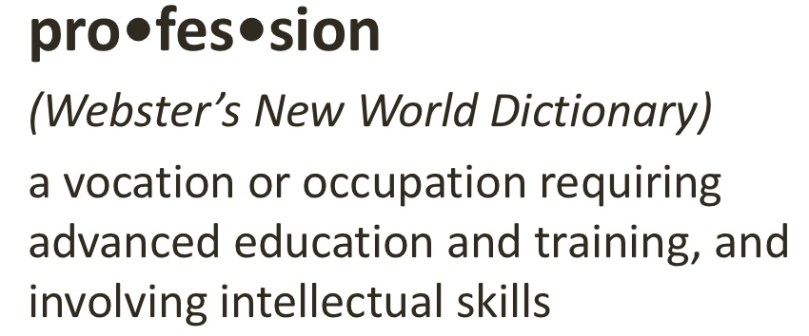
 Updates self with “constant education” and retooling
 Cooperation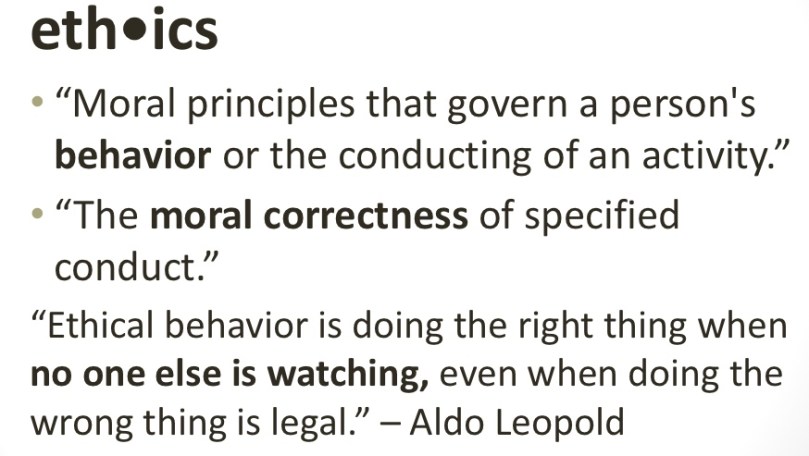
 National Association of State Directors of Teacher Education and Certification proposes these principles:
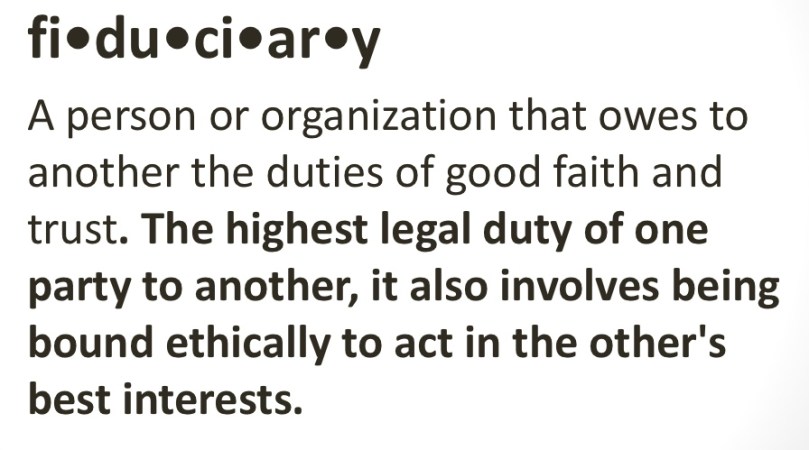 Here’s another query. What five groups of people are both “professionals” and “fiduciaries…” and have a legal responsibility to serve the best interests of their “clients?” The answer is… doctors/nurses, lawyers, counselors (both mental health and investment), the clergy, and… teachers.
  Although teachers seem to be the only one of these who DO NOT have formal pre- or in-service ethics training, and our “charges” represent a “captive audience,” our duty is clear: to act as a fiduciary for our students’ best interest, and to create and maintain a safe environment for them at all times.
 What do you believe about teaching?
 Take time to peruse these and others. Most of these sites also offer excellent examples of personal branding and marketing of the prospective job hunters’ experiences, skills, and achievements… material for our next blog on this topic.


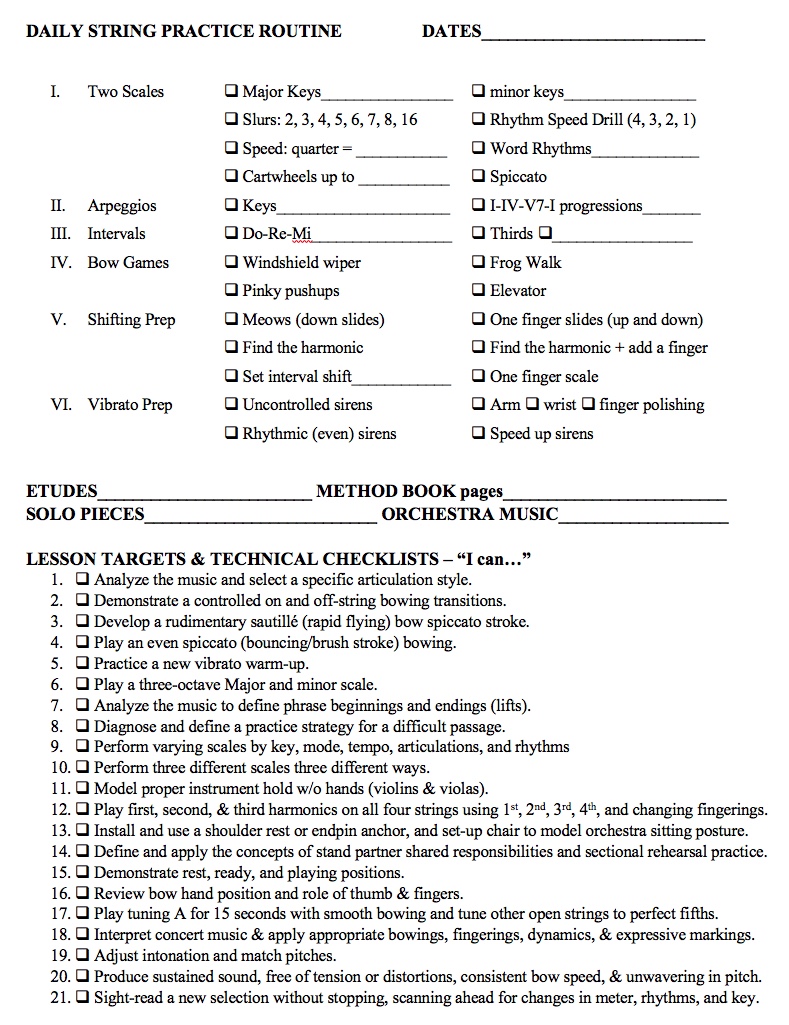
 In your “customized” journal, I recommend leaving space for metronome markings, special articulations, practicing tips and instructions (like “repeat it three-times-in-a-row perfectly” or “work on measures #1-8 today, #5-12 tomorrow,” etc.) and time spent. Remember, you are a problem solver and seek ways to integrate your “tool box of tricks” to learn each challenging passage. What works for you? What doesn’t? That’s the true magic of a journal… in with the good, and out the bad!



 The music parents are another matter. I had great support of both the band/string parents and my loyal “theater angels” throughout my career, and I made sure to attend meetings as early as possible to tell them “in person” my future plans so that they did not have to rely on those “rumors on the street!” One advantage I had was I lived in the district. I promised to roll-up my sleeves and support a fund-raiser or two, and was able to attend numerous concerts and musicals to support my “extended family” as a nonjudgmental retiree.
 In Pennsylvania, we are fortunate to have the



 musical or athletic events, coaching or working with children in a coaching capacity, as a leader and role model.”
 If you can afford it, purchasing a simple domain name like your first and last name (something easy to remember) would be a great idea. Prospective employers will not have to write down a bunch of numbers, know your birthday, learn your nickname, etc. to find your e-portfolio. If you have an unique middle name or surname, you might luck out and be able to snag (and register) the perfect domain name. This was not possible for me! Do you know how many Paul Fox’s (even Paul K. Fox) are “out there” already taken?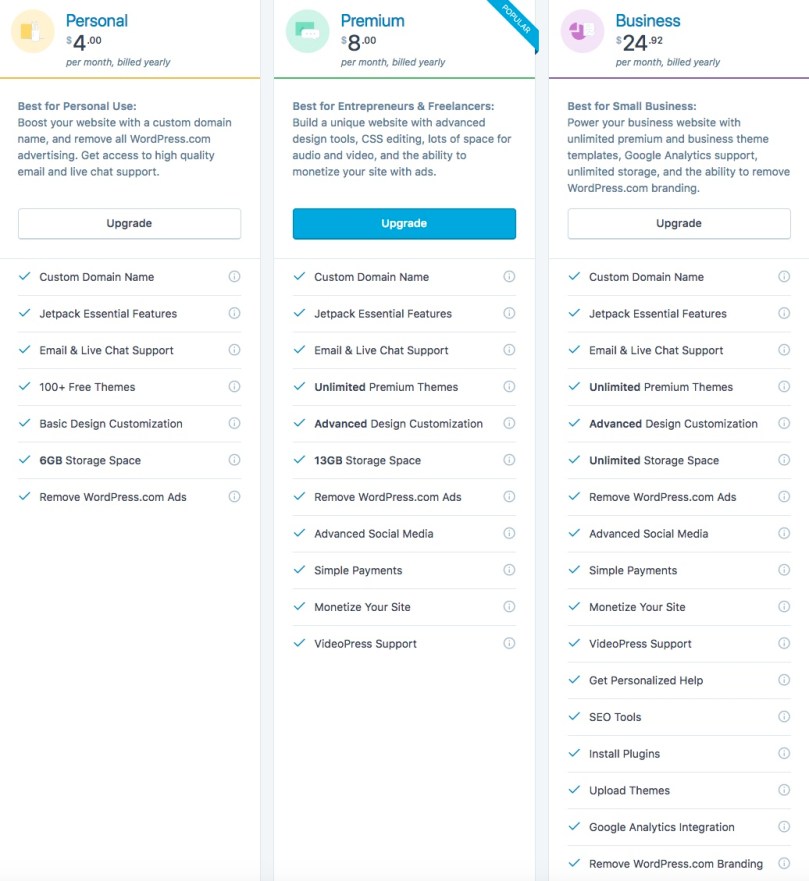
 To create your web site’s identity, WordPress will remove the dots and add their company’s moniker “.wordpress.com” at the end of your email name. That is how
 Showing your versatility, try to assemble a collection of still photos, audio examples, and videos that ideally represent all specialties in music education: choral, dance, general music, concert band and string instrumental, marching band, jazz, theater, etc., and demonstrate your proficiency in multiple settings at all grade levels.

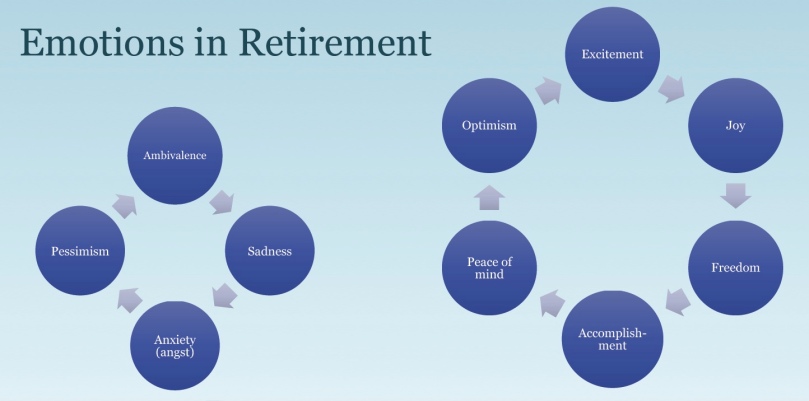
 The “new” definition of retirement includes a unique collection of synonyms. Gone are the designations “seclusion,” “privacy,” “withdrawal,” “retreating” and “disappearing” based on archaic models of retiring when the average life expectancy at birth in the 1800s was 38 and in the 1900s was 47. (Merriam-Webster and others still show these words on their online dictionaries!) Now, some of the more creative descriptors for retirement are “renewment,” “rewirement,” “rest-of-life,” “second beginnings,” and “reinvention.”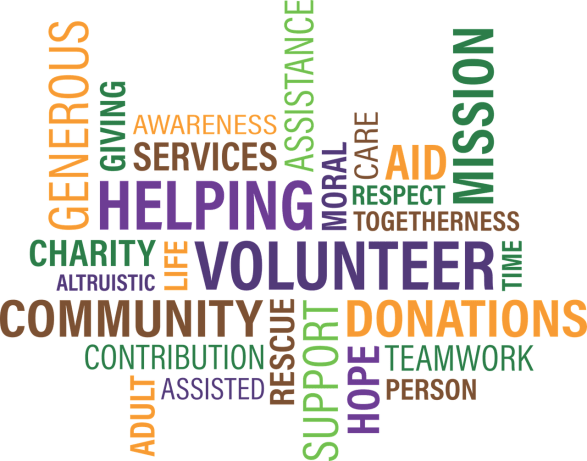

 Feeling you were “kicked to the curb,” “downsized,” “minimized,” or somehow “forced” to resign or retire comes from many scenarios: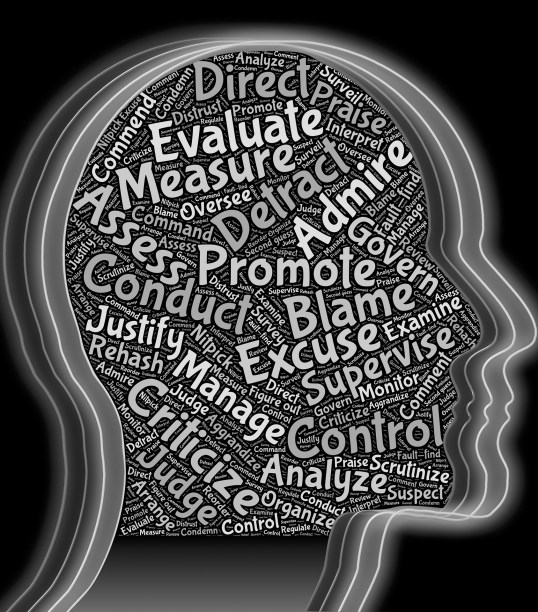
 In retirement, this can be frustrating. You can’t tell somebody else how to run their operation. Some people do not want to hear criticism, nor do they care what your opinion is, nor do they want to change their traditions or fine-tuned (?) step-by-step procedures. You on the other hand want things to improve, e.g. better training, more consistent application of the rules, etc., and therefore you feel “unrequited stress.”
 However, invest your time wisely. Retirees deserve a life of their own and opportunities for unstructured “time-off.” Don’t forget the other items on your “bucket lists” (like travel, “encore career,” and volunteering). Serving as your family’s childcare “safety net” is nice, but don’t let this schedule dominate everything you do in your retirement… trading one job for another… with no financial compensation (but a whole lot of fun, I know).
 Again, that focus on “first things first” (remember the book of the same name by Stephen Covey?) and “take care of yourself, too!”



 Even though it is from a book on post-employment transitioning (Purposeful Retirement: How to Bring Happiness and Meaning to Your Retirement), the author Hyrum W. Smith suggests several thought-provoking questions on prioritizing time:
 Yours truly, a “late baby boomer,” never enjoyed that prophesied and romanticized revolution of a “paperless society.” Did you? PM recommends the creation of a “future reading” file, a subcategory of “date it.” Experts on Google Mail will extol the merits of creating a folder and categorizing/storing messages such as emailed issues of MEJ, Kappan, SB&O, and other digital editions of professional newsletters. I have found that this doesn’t work very well, even in retirement. The file folder just fills up, and I never seem to get around to reviewing the things I thought were so important to save. Nor did the practice of our grandmothers’ generation clipping articles (and coupons) out of newspapers. You would think you could solve this media overload by just printing a small excerpt of what you want to peruse later and putting it in a letter tray near your desk? Nope. It just piles up! However, probably the ideal solution would be to designate a specific 15 minutes or more every day for something they used to give to the middle school students I taught: “silent and sustained reading.”
 How many times have you heard it? Make your plans and goals “intentional!” Besides all of the upcoming deadlines and appointments to which you are committed, include in your daily and weekly schedule opportunities for individual reflection and growth.
 in response to feeling a little “stressed over the schedule” could be to “get used to the 24/7 nature of the job.” A music teacher works from sun-up (and before) to sun-down (and after), and constantly has to juggle multi-tasking on a wide variety of to-do’s, all landing at the same time: writing lesson plans, arranging music or drills, preparing scores or accompaniments, planning and rehearsing ensembles, managing the grade book and attendance records, attending faculty meetings and parent conferences, writing curriculum, student assessments, and lesson targets, preparing for extra-curricular activities like marching band, chorus, or the musical, finishing your own homework for graduate courses, district inductions, or professional development assignments, ETC.






 What is the moral to the final story of these two racers… the turtle and the rabbit?
 into the “TEAM.”


 Educators are among the singular professions which have a “fiduciary” responsibility. The term “fiduciary” can be defined as “a person or organization that owes to another the duties of good faith and trust, the highest legal duty of one party to another, and being bound ethically to act in the other’s best interests.” Joining doctors, lawyers, clergy, and mental health therapists, educators ascribe to the highest standards of training, moral decision-making (“code of ethics”), behavior (“code of conduct”), and self-regulation and assessment of the “best practices” regarding the mastery of skills and subject areas necessary to their field. However, unlike these other professionals, teachers do not receive regular and systematic pre- and in-service training on ethics, and our “clients” are a “captive audience.” Regardless, the duty of all teachers is to act as a fiduciary in their students’ best interest and to create and maintain a safe environment for them at all times.
 Always looking for the signs of…
 Health Insurance Portability and Accountability Act (HIPAA) of 1996 provides data privacy and security provisions for safeguarding medical information.
 Proponents of this belief will tell you to go ahead and stick your neck out, feel free to do something “for the good of the order,” and later “beg for forgiveness” if/when it goes south and your administrators say they do not approve.
 My advice: “Forget your rights” and be more aware of your image and how your actions will look to the public. Reputations are hard to restore. Being an effective teacher is all about trust and integrity, and (sorry, one more cliche) “your actions speak louder than words!”
 paulfox.blog